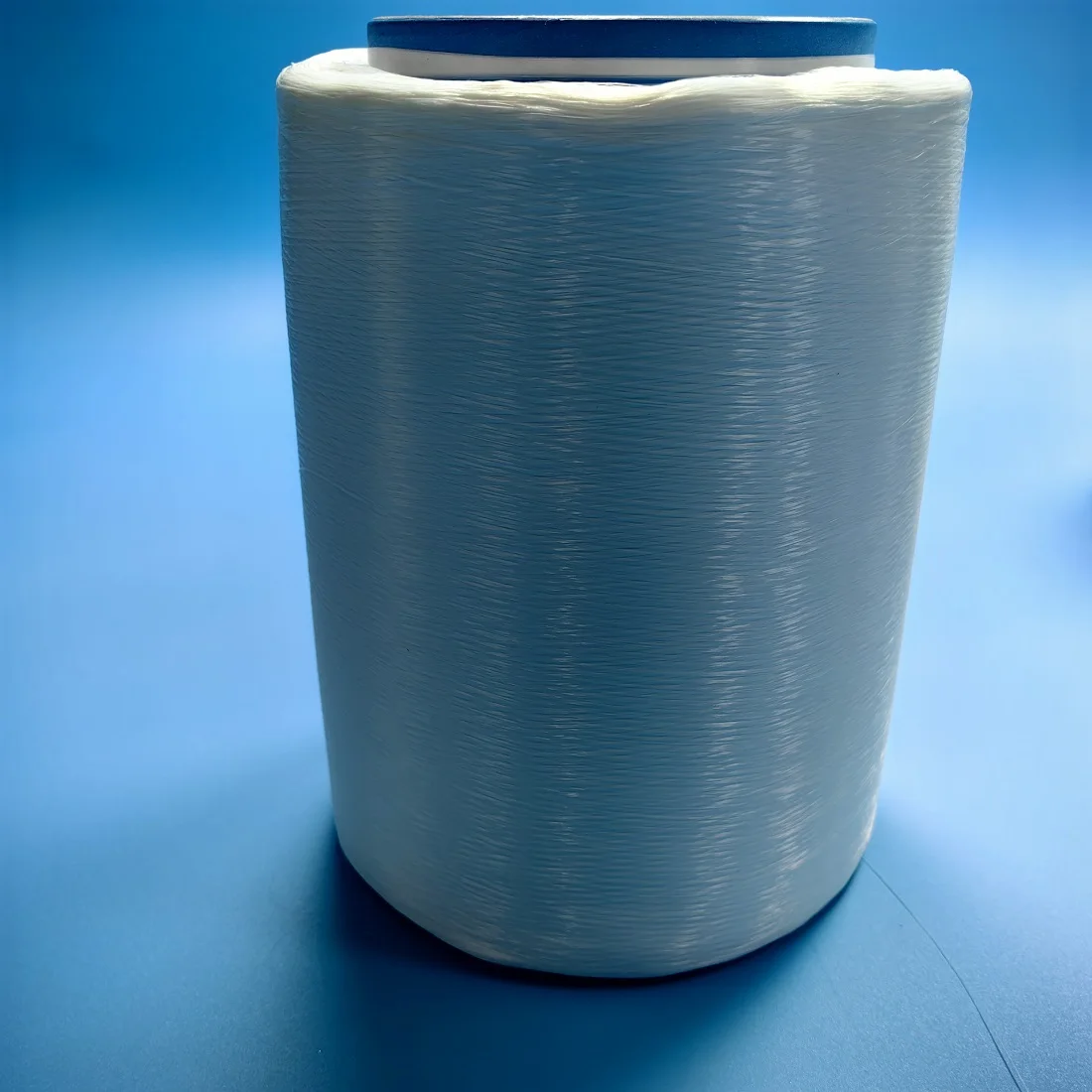
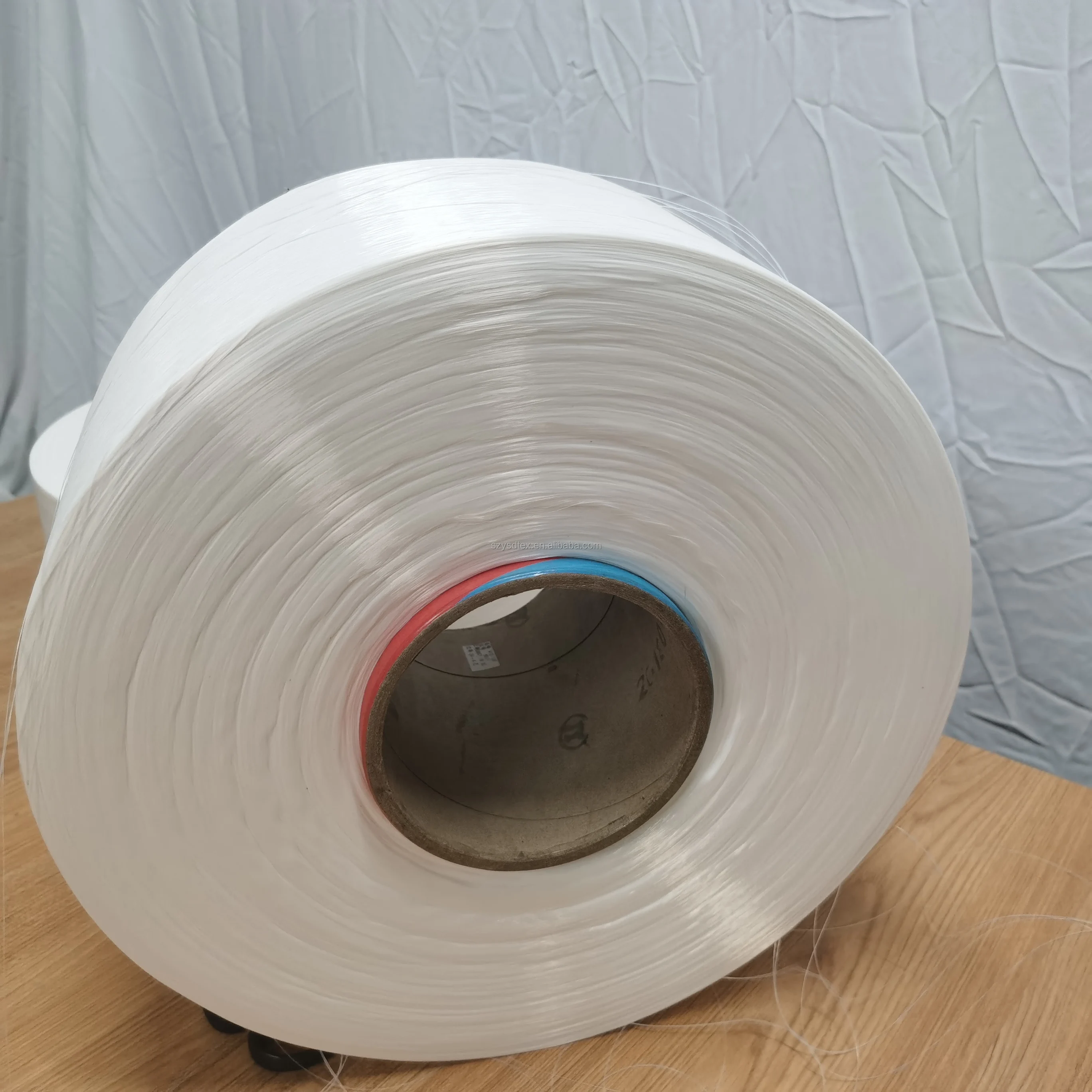
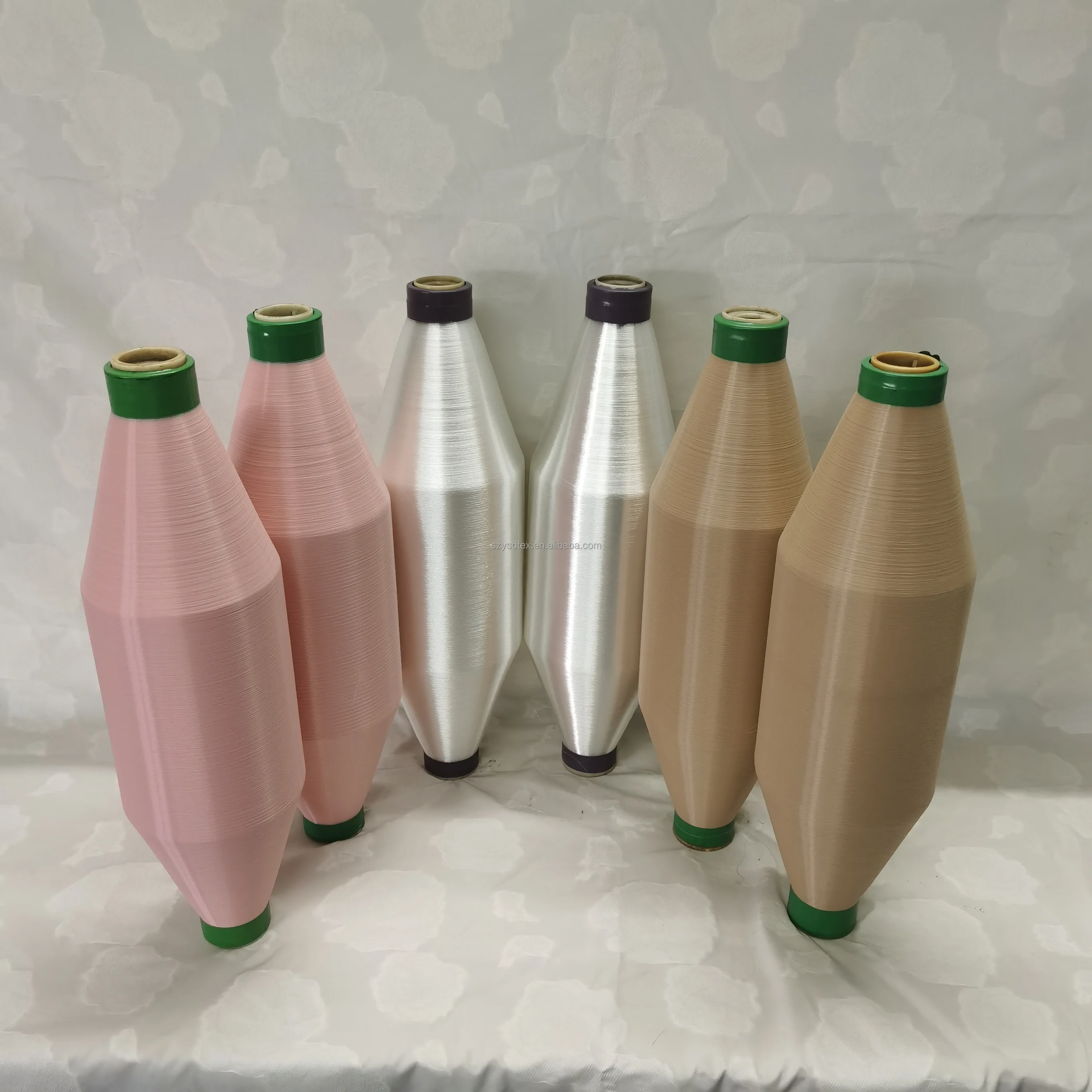
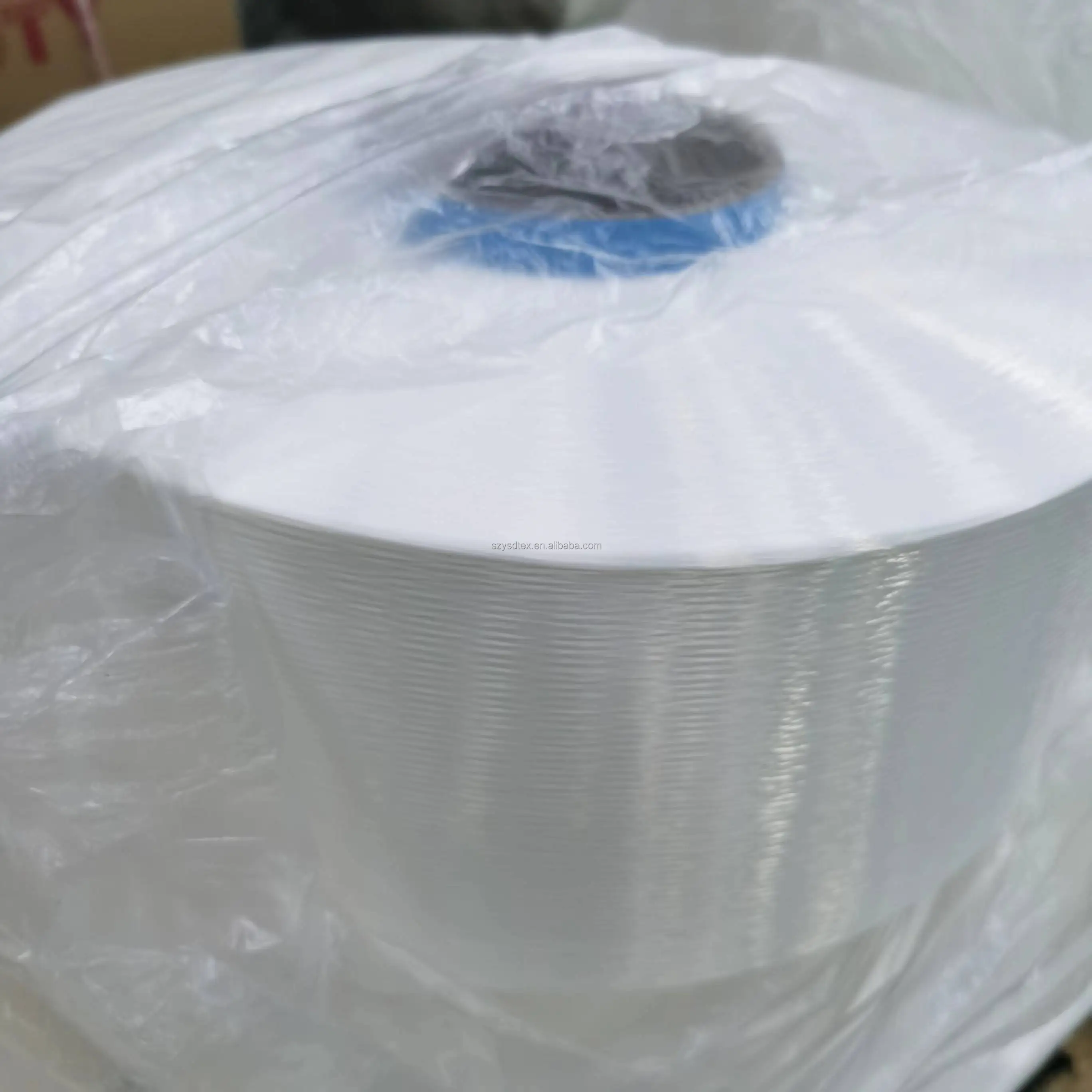
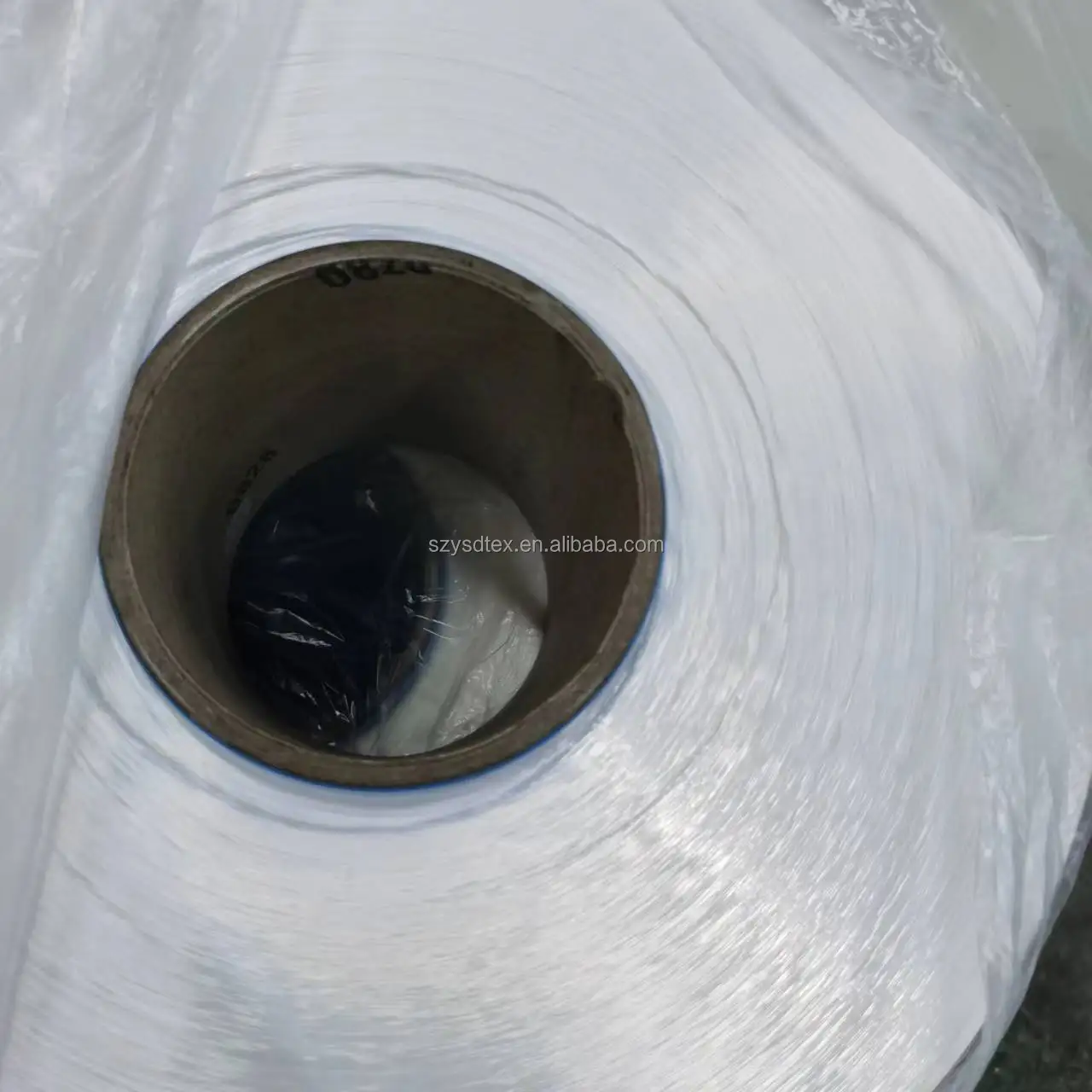
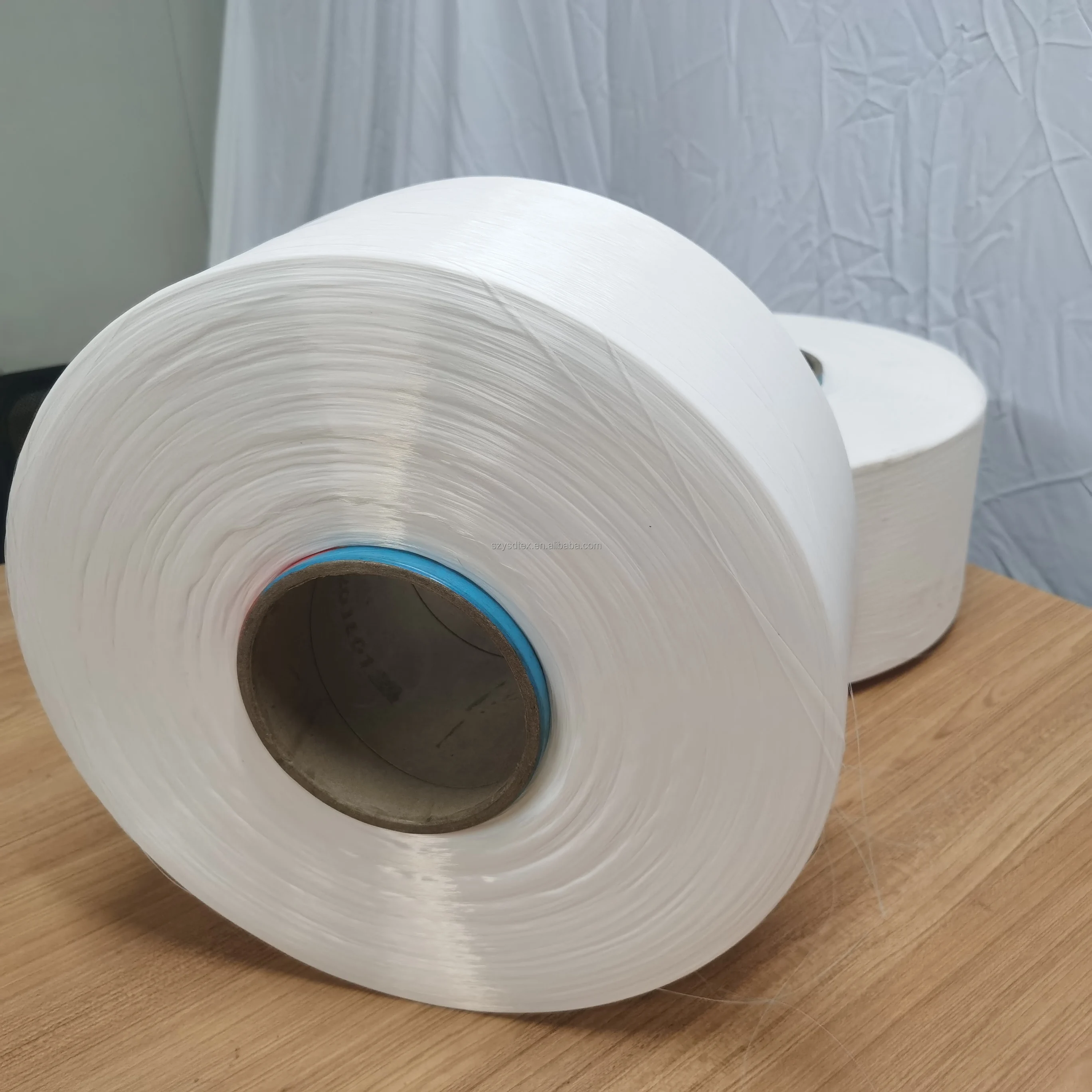
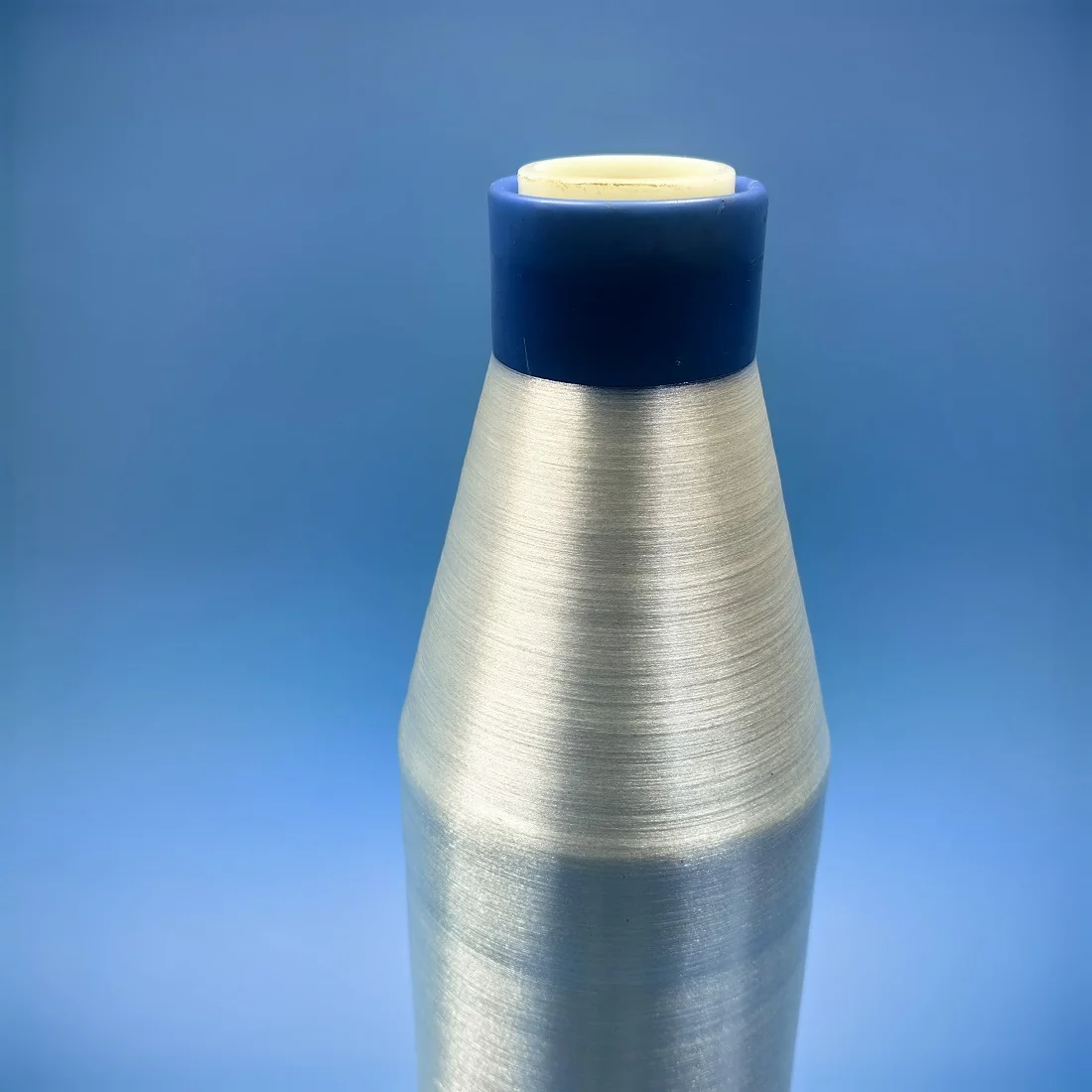
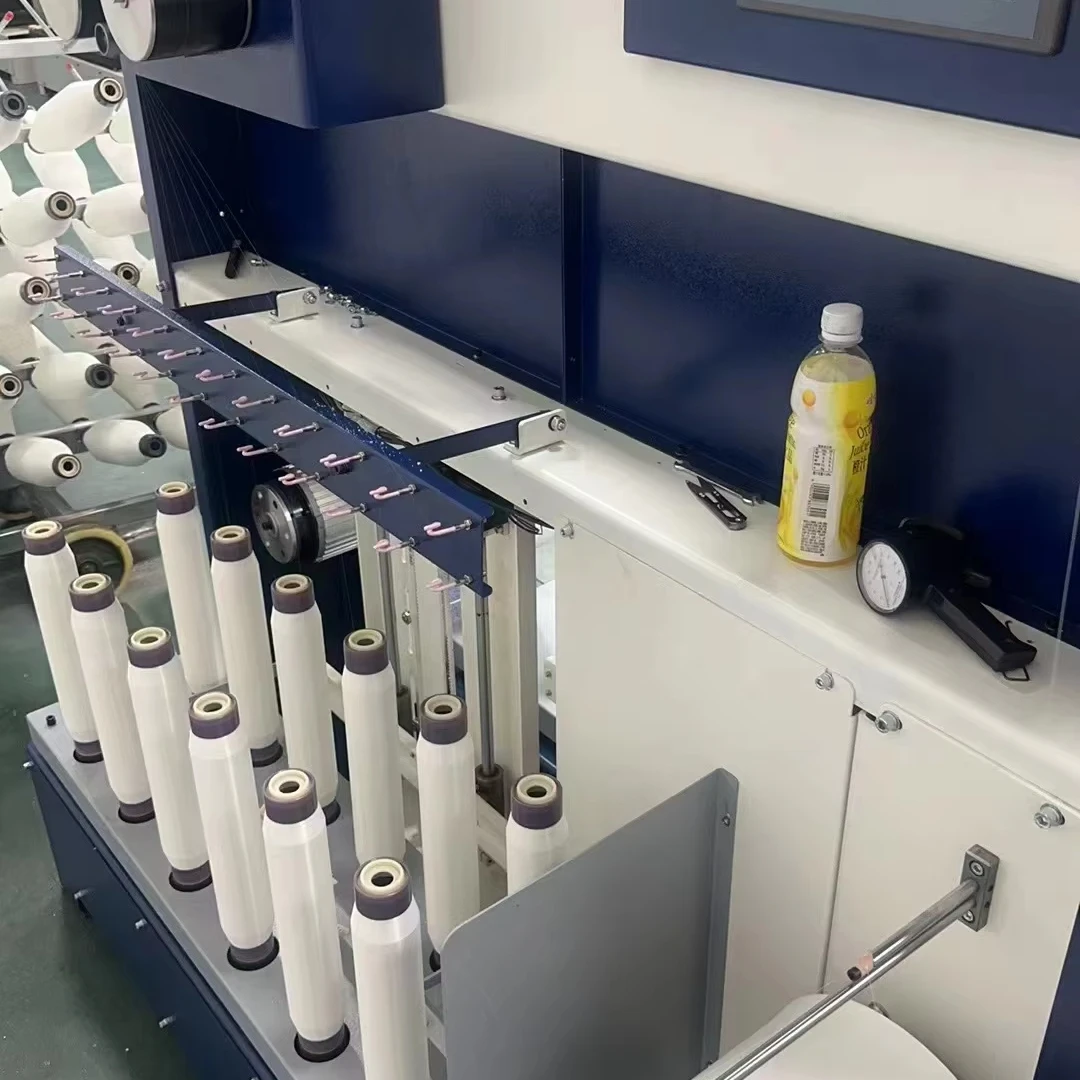
Choosing the right sock yarn is crucial for textile manufacturers and distributors looking to produce high-quality products. Good sock yarn not only affects the durability and comfort of the final product but also plays a significant role in production efficiency and cost-effectiveness. This article will address key considerations when selecting good profixM nylon sock yarn for wholesale, reliable supplier sources, installation guidance, common issues, and various applications to help you make informed decisions.
When selecting good sock yarn for wholesale, several factors must be taken into account to ensure quality and performance. First, consider the material composition. Yarn made from nylon or polyester blends is popular due to its strength, elasticity, and moisture-wicking properties, making it suitable for both casual and performance socks. Understanding the intended use—whether for athletic, leisure, or formal wear—will guide material selection.
Next, evaluate the yarn's weight and thickness. Sock yarn typically ranges from fingering to worsted weight. Lighter weights are ideal for delicate, lightweight socks, while heavier yarns provide warmth and durability for winter wear. Pay attention to the yarn's ply as well; higher ply counts usually indicate better durability and less pilling.
Additionally, consider the dyeing process and colorfastness, especially if producing socks with vibrant colors or patterns. A reliable yarn should have consistent dye retention to prevent fading after washing. Finally, look into the manufacturer's quality control processes and certifications to ensure the yarn meets industry standards.
Finding trustworthy suppliers for good sock yarn is essential for maintaining product quality. Start by researching manufacturers with a solid reputation in the textile industry. Verify their experience and capabilities by reviewing their production processes, machinery, and certifications.
Trade shows and textile expos can be excellent venues for meeting potential suppliers face-to-face. These events allow buyers to assess product samples, discuss customization options, and understand lead times and minimum order quantities (MOQs). Online platforms and marketplaces can also provide insights into profixM merino nylon sock yarn supplier ratings and customer reviews.
When evaluating suppliers, consider their manufacturing capabilities, such as production capacity and the range of yarn types offered. Companies like Suzhou YSD Textile Co., Ltd. can provide a variety of yarns, ensuring that you have access to different materials and specifications to meet your needs. Establishing a relationship with a reliable supplier can lead to better pricing and more favorable terms in the long run.
Once you have selected good sock yarn, proper installation and handling during production are vital for achieving the best results. Before starting, ensure that your knitting or weaving machines are calibrated to accommodate the yarn's thickness and type. This step helps prevent issues such as breakage or uneven tension during the manufacturing process.
It is advisable to conduct a test run with the chosen yarn to assess compatibility with your machinery. Pay attention to aspects like tension settings and feed rates, as these can vary significantly between yarn types. Regular monitoring during production will help catch any potential issues early on, ensuring consistent quality in the final product.
Additionally, consider the packaging and storage of the yarn. Protect it from moisture and direct sunlight to prevent damage before it reaches the production floor. Proper storage conditions will also prolong the shelf life of the yarn and maintain its quality until it's ready for use.
Manufacturers may encounter various issues when working with sock yarn, but many of these can be mitigated with careful planning. One common problem is yarn breakage during production, often caused by incorrect tension settings or inadequate machine calibration. To address this, conduct regular maintenance on your knitting machines and ensure they are properly adjusted for the specific yarn type.
Another frequent issue is pilling, which can arise from using lower-quality yarns or incorrect washing methods. To reduce pilling, opt for high-quality yarn with a good ply count and educate customers on proper washing techniques to maintain the integrity of the sock fibers.
Color fading is also a concern, especially with brightly dyed yarns. To combat this, ensure that the yarn is sourced from suppliers who conduct thorough dyeing processes and can provide information about colorfastness testing. Implementing quality checks during production can help identify potential issues before the final product is shipped.
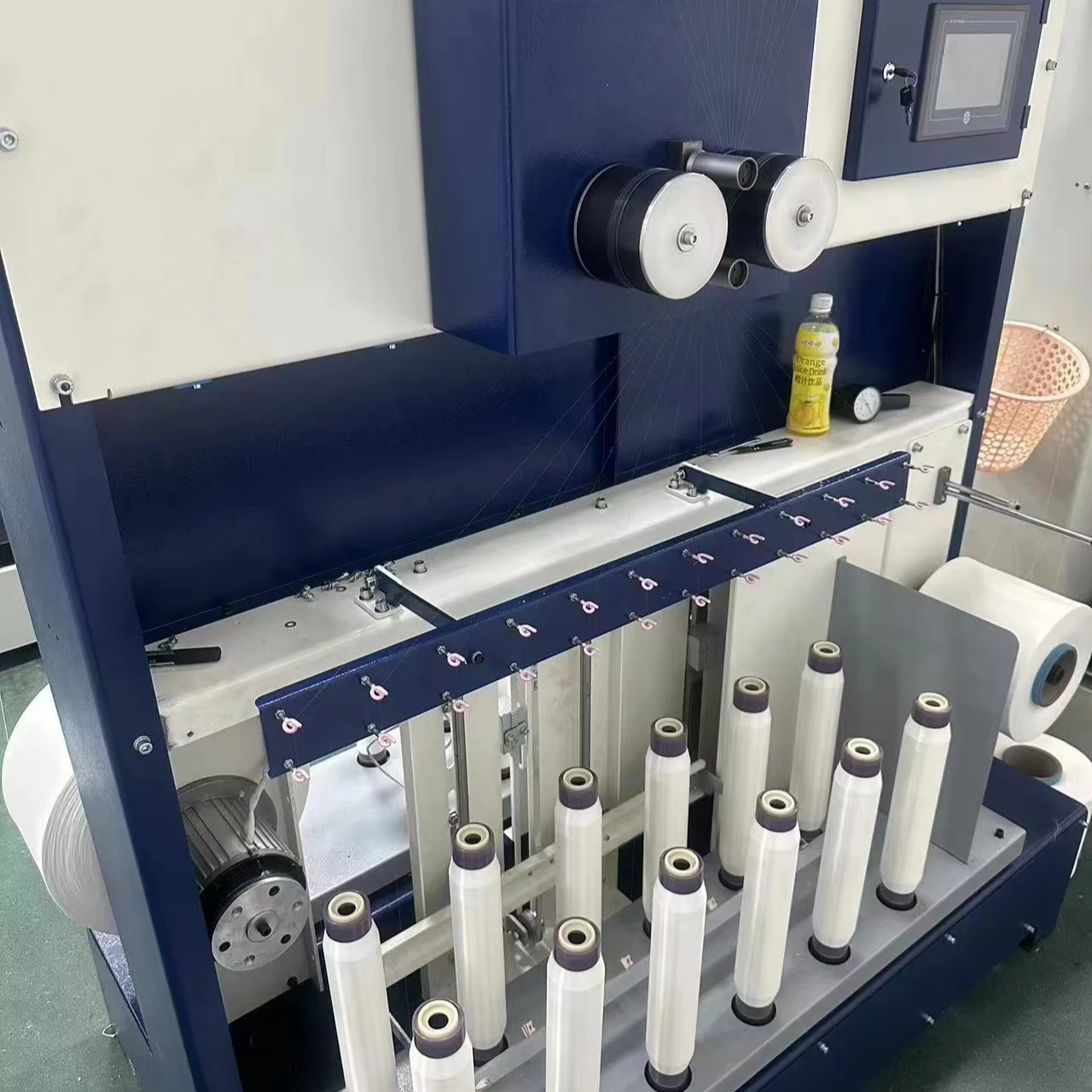
company was founded in year 2013. Our company sold 300 products over last 11 years, and we are the market leading company. business is a sectional warping machinecompany that is involved in the design, manufacturing, and sales of split warping machine and yarn. team of factory workers has professional skills and experience.
products mother yarn warping splitto install, set up operate.
factory team has been customer- mother yarn warping split, they are well aware that customer needs satisfaction are key to success of the company. They actively listen the voices of their customers, as well as optimize production service satisfy their requirements and expectations.
have been providing yarn and machines more than 12 years. We have -quality research and development department. continuously upgrade our technology. also have a 20,000m2 nylon/polyester production workshop. team is dedicated to supplying machines that of the best quality. Each member of our team is on the job and sectional split mother yarn warping machinefor all their job. truly hope that our expertise and technology will bring you a greater quality of work.

SUZHOU Y.S.D TEXTILE COMPANY IA LOCATED IN SUZHOU PINGWANG TOWN, WITH 30000m2 OF MACHINE PRODUCTION WORKSHPOP, ALSO HAVE 20000m2 OF NYON/ POLYESTER PRODUCTION WORKSHOP.
No.12 Nanyue Road Pingwang Town Wujiang Suzhou City Jiangsu Province China.
Copyright © Y.S.D.TEXTILE All Rights Reserved Privacy Policy
 EN
 FR
 DE
 EL
 IT
 JA
 KO
 RO
 RU
 ES
 ID
 UK
 VI
 TH
 TR
 BN
 NE