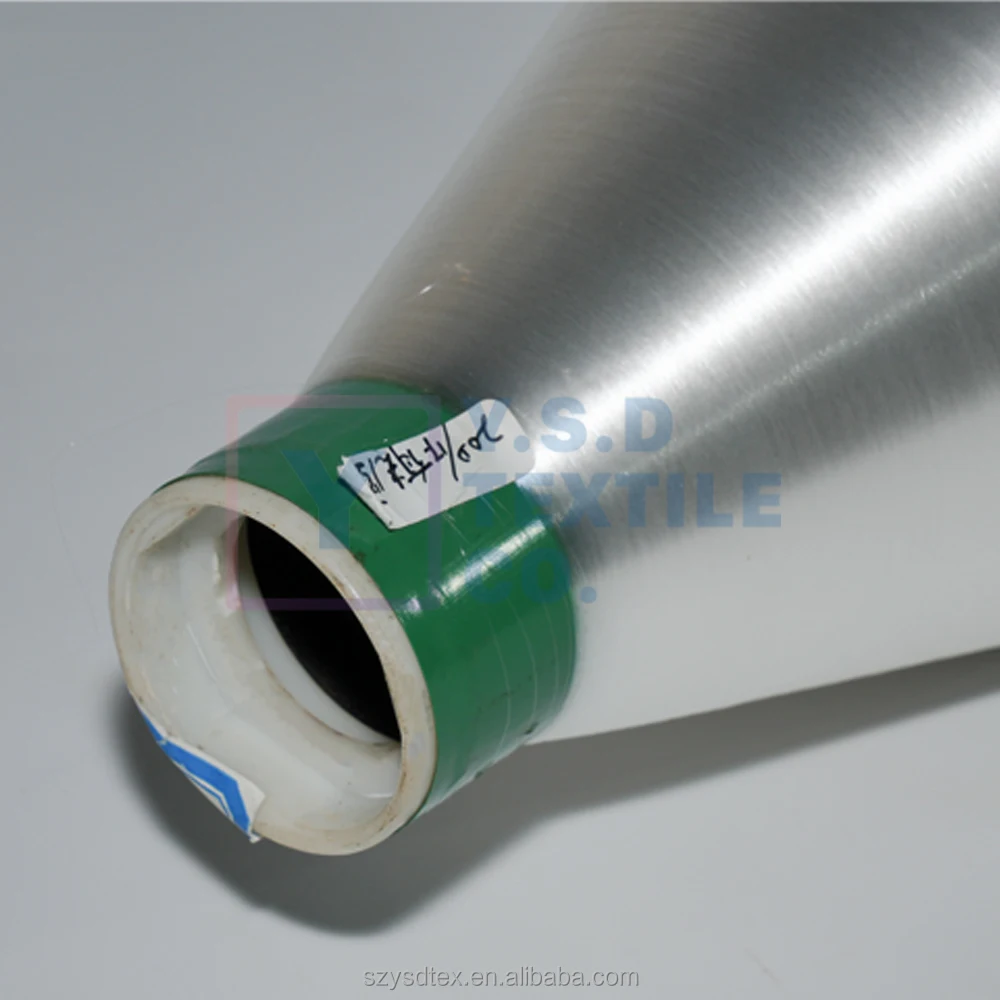
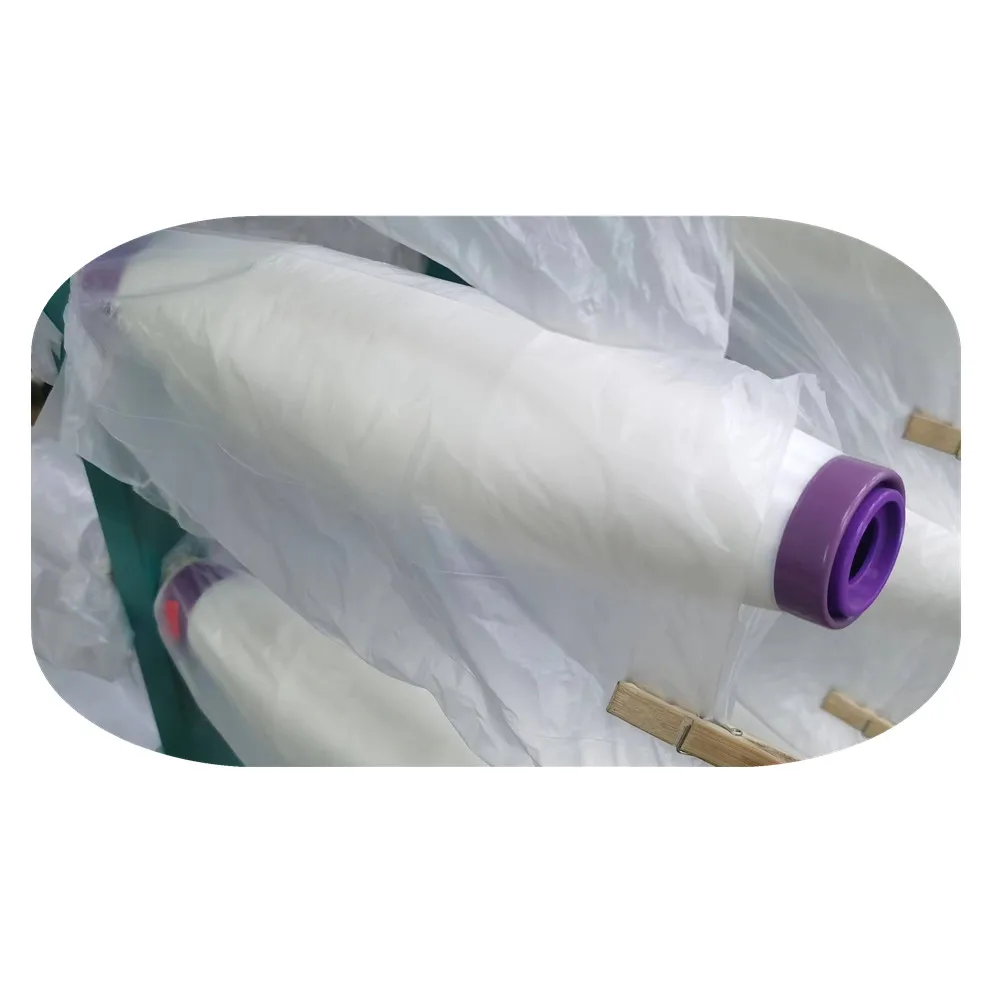
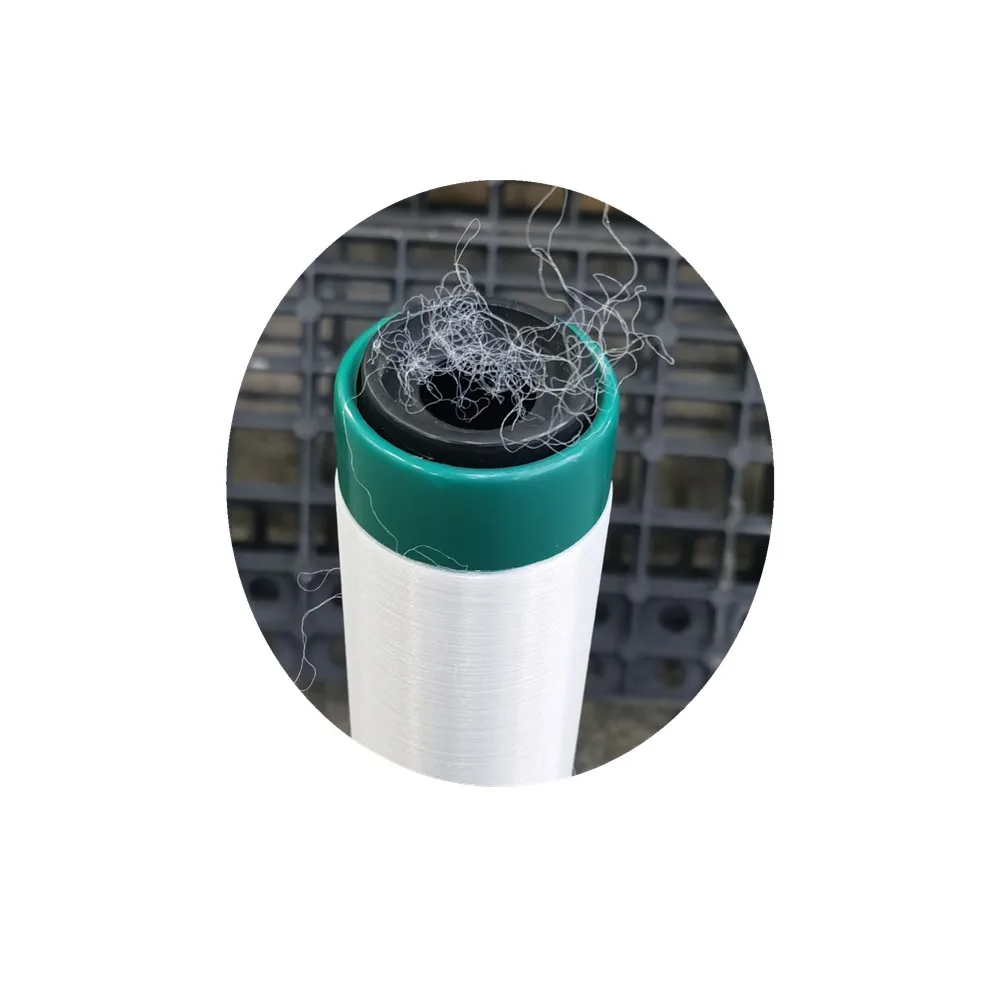
Monofilament yarn is a vital component in various industrial applications, known for its durability and versatility. Understanding monofilament price is crucial for wholesale buyers, as it directly impacts budget planning and procurement strategies. This article will address key factors influencing monofilament yarn pricing, essential specifications for buyers, and practical guidance for installation across different applications. By focusing on these areas, purchasing managers and engineers can make informed decisions that align with their specific requirements.
When considering monofilament yarn, buyers must evaluate multiple factors that influence pricing. The first is the type of material used, nylon and polyester are common choices, each offering unique properties that can affect cost. For instance, nylon monofilament is often more expensive due to its enhanced durability and flexibility, while polyester may offer more cost-effective solutions for less demanding applications.
Additionally, the production method plays a significant role in pricing. High-speed manufacturing processes can reduce costs and improve efficiencies, but they may also require significant initial investment in equipment. Buyers should also take into account the scale of production; larger orders typically benefit from economies of scale, resulting in lower per-unit prices.
Custom specifications, such as diameter and tensile strength, can further affect pricing. Buyers looking for specific characteristics or performance metrics must be prepared for potential fluctuations in cost. Understanding these factors allows buyers to negotiate better terms and align their purchasing strategy with their operational needs.
Before proceeding with a purchase, wholesale buyers should gather comprehensive information to ensure they receive the right product for their application. Key details include the desired specifications, such as yarn diameter, denier, and tensile strength, which dictate the yarn's suitability for specific applications. For instance, heavier denier yarns are often used in applications requiring higher durability, while lighter options may be preferred for more delicate uses.
Buyers should also consider the Minimum Order Quantity (MOQ) set by manufacturers. This can vary significantly based on the supplier's capabilities and the complexity of the order. Understanding the MOQ is crucial for budget planning and inventory management.
Furthermore, buyers should inquire about lead times, as these can impact production schedules and project timelines. Establishing clear communication with suppliers regarding expected delivery times helps avoid disruptions in the production chain.
Several specifications significantly influence both the price and quality of monofilament yarn. The first is the yarn's denier, which refers to its thickness. For instance, a 100 denier yarn will be thinner and lighter compared to a 500 denier yarn, which is thicker and more robust. Thicker yarns typically incur higher material costs, but they also provide greater strength and durability for demanding applications.
Another critical specification is the yarn's tensile strength, which measures how much force the yarn can withstand before breaking. Buyers should request tensile strength data to ensure the yarn meets their operational requirements. A higher tensile strength often correlates with a higher price, but it is essential for applications that experience significant stress.
Lastly, surface treatment can affect pricing and performance. Yarns that undergo specialized treatments for UV resistance, chemical resistance, or anti-static properties may cost more upfront but can offer long-term savings by reducing wear and tear in harsh environments.
Ensuring quality is paramount when purchasing monofilament yarn. Buyers should look for several indicators that can provide insights into the yarn's performance and reliability. First, certifications from reputable organizations can validate the quality of the manufacturing process. While specific certifications were not provided, buyers should inquire about any industry-recognized standards the manufacturer adheres to.
Visual inspection is also critical. Buyers should assess the yarn for uniformity in color and thickness, as variations may indicate inconsistencies in production. Additionally, samples should be tested under actual operating conditions to evaluate performance. This step is crucial; a sample that appears satisfactory in a controlled environment may not perform adequately in real-world applications.
Lastly, a robust quality control process should be in place at the manufacturing facility. Buyers can request details about the quality assurance protocols followed during production, including any testing methodologies for strength, elasticity, and other performance metrics.
factory team has been customer-focused are aware that customer wants Direct warping machineis the key for the success of business. They pay attention their the voice customers and optimise production service to meet their expectations needs.
have been providing yarn and machines more than 12 years. We have -quality research and development department. continuously upgrade our technology. also have a 20,000m2 nylon/polyester production workshop. team is dedicated to supplying machines that of the best quality. Each member of our team is on the job and mother yarn warping splitfor all their job. truly hope that our expertise and technology will bring you a greater quality of work.
products simple to install, set up sectional split mother yarn warping machine.
company was founded in year 2013. Our company sold 300 products over last 11 years, and we are the market leading company. business is a sectional warping machinecompany that is involved in the design, manufacturing, and sales of split warping machine and yarn. team of factory workers has professional skills and experience.

SUZHOU Y.S.D TEXTILE COMPANY IA LOCATED IN SUZHOU PINGWANG TOWN, WITH 30000m2 OF MACHINE PRODUCTION WORKSHPOP, ALSO HAVE 20000m2 OF NYON/ POLYESTER PRODUCTION WORKSHOP.
No.12 Nanyue Road Pingwang Town Wujiang Suzhou City Jiangsu Province China.
Copyright © Y.S.D.TEXTILE All Rights Reserved Privacy Policy
 EN
 FR
 DE
 EL
 IT
 JA
 KO
 RO
 RU
 ES
 ID
 UK
 VI
 TH
 TR
 BN
 NE