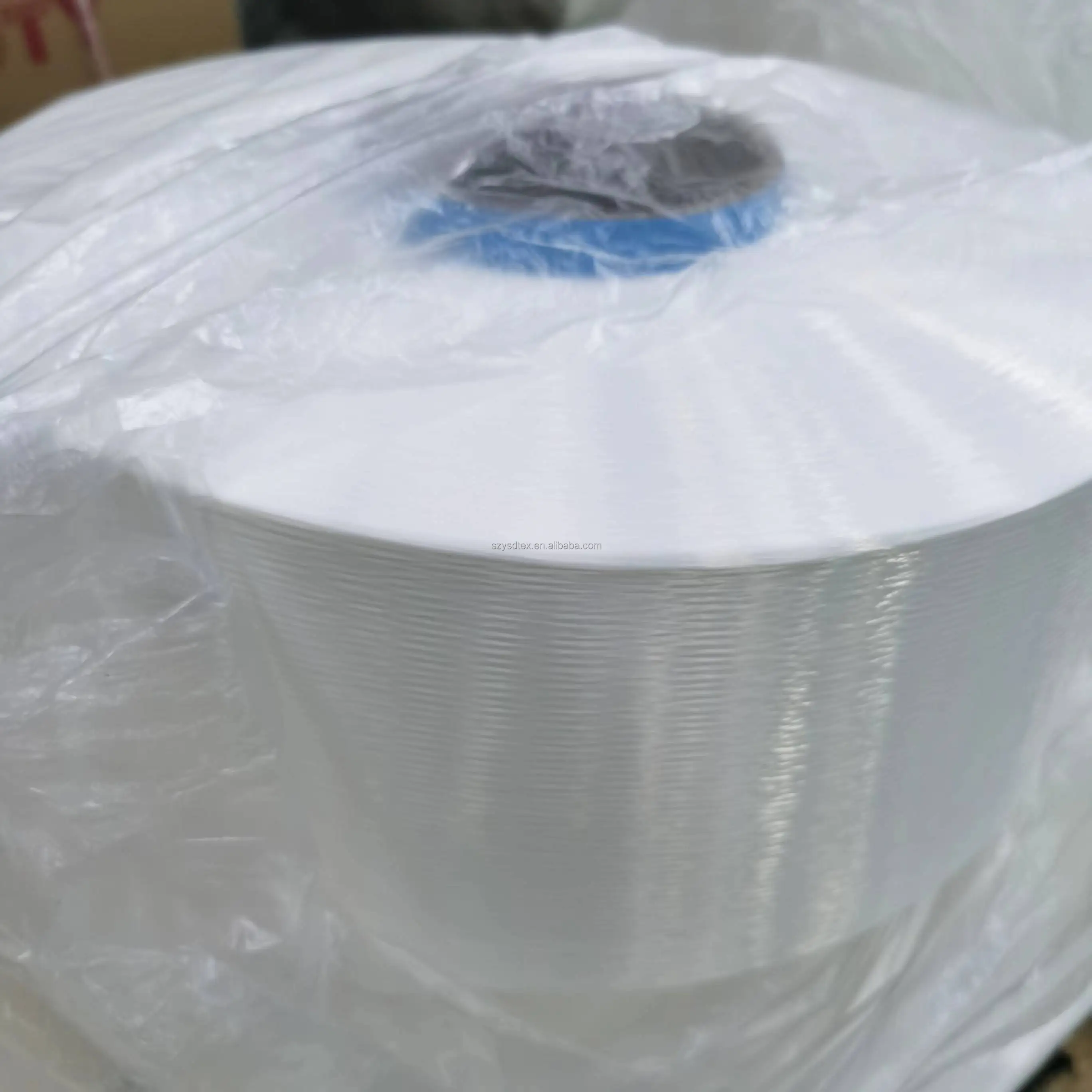
Organza, a lightweight and sheer fabric, is widely utilized in a variety of applications ranging from fashion to home decor. Sourced primarily from nylon or polyester, organza is appreciated for its crisp texture and ability to hold shape. As a B2B buyer, understanding the nuances of organza, including its material properties, cost factors, and quality control measures, is crucial for making informed purchasing decisions. This article will guide you through essential aspects of selecting and sourcing organza in India, helping you address common buyer concerns effectively
Selecting the right organza begins with understanding the specific requirements of your project. Consider the intended use—whether it’s for apparel, decorations, or industrial applications—as this dictates the type of organza yarn best suited for your needs. There are various types of organza based on material composition, with nylon and polyester being the most common
Nylon organza is known for its durability and ability to retain shape, making it ideal for structured garments or decorative elements that require stiffness. Polyester organza, on the other hand, is often more affordable and offers a wider range of colors and finishes, making it suitable for large-scale projects where cost efficiency is important
Additionally, you should evaluate the weight and thickness of the organza, as these factors affect its drape and transparency. A heavier organza might be preferred for wedding gowns or formal wear, while a lighter option could be ideal for overlays or delicate decorations. Always request samples to assess the fabric's feel, drape, and color under different lighting conditions before making a bulk order
When ordering organza in bulk, several cost factors come into play. The type of material is a primary determinant; nylon organza typically has a higher price point due to its superior durability and quality compared to polyester. Other factors to consider include the production method, dyeing techniques, and any special finishes that may add to the overall cost
Minimum order quantities (MOQ) can also impact pricing. Suppliers may offer tiered pricing, where larger orders result in lower per-unit costs. It's essential to communicate your needs clearly to your supplier, as they can provide insights into cost-saving opportunities based on your order size
Additionally, shipping costs should be factored into your budget. If you are importing organza to India, consider the logistics involved, including customs duties and freight charges. Understanding these elements will help you formulate a comprehensive budget that accurately reflects the total cost of your organza order
While organza is a versatile fabric, buyers may encounter specific challenges during production and use. One common issue is fraying at the edges, particularly if the fabric is cut without proper finishing. To mitigate this, consider using pinking shears or a Serger to finish the edges of the fabric before assembly
Another concern is the fabric's tendency to become wrinkled, which can impact its appearance in the final product. To address this, always store organza fabric rolls in a cool, dry place and avoid heavy stacking to prevent permanent creasing. When pressing, use a low heat setting with a pressing cloth to avoid damaging the fabric
Lastly, color fading may occur if organza is exposed to sunlight for extended periods. If your project involves outdoor use, ensure you select UV-resistant dyes and fabrics to maintain color integrity. By anticipating these issues, you can take proactive measures to ensure the quality and longevity of your organza projects
Both nylon and polyester organza have distinct advantages that make them suitable for various industrial applications. Nylon organza is often favored for its strength and resilience, making it ideal for applications that require durability under stress, such as in upholstery or industrial curtains. Its ability to withstand higher temperatures also makes it suitable for applications involving heat exposure
Conversely, polyester organza is more versatile in terms of color and finish options, allowing for greater customization in industrial applications. It is often more economical, which is advantageous for large-scale projects where cost-effectiveness is a priority. Polyester organza is also less prone to shrinking and provides better resistance to moisture, making it suitable for humid environments
When choosing between the two, consider the specific requirements of your application, including environmental factors, required durability, and budget constraints. This will help you determine the most suitable organza type for your industrial needs
company was founded in 2013. Over last eleven years, we've sold 300 sets mother yarn warping splitand continue to be the top in terms of sales this day. Our business is a niche firm that designs, produces, sells split warping equipment and yarn. factory staff has knowledge expertise.
The factory team a customer-focused organization High speed splitting warping machinethat the performance of organization is dependent on satisfaction and requirements of customers. customers are frequently listened to, and production and services are adapted meet the needs customers. expectations needs.
sectional mother-yarn splitting warping machine Direct warping machinean same tension beam, with 550m/mins speed on nylon mother yarn.also created the first machine can make polyester dty mother yarn.products simple for installation, simple set up, and easy use and have minimal requirements on workers.
have been providing yarn and machines more than 12 years. We have -quality research and development department. continuously upgrade our technology. also have a 20,000m2 nylon/polyester production workshop. team is dedicated to supplying machines that of the best quality. Each member of our team is on the job and mother yarn warping splitfor all their job. truly hope that our expertise and technology will bring you a greater quality of work.

SUZHOU Y.S.D TEXTILE COMPANY IA LOCATED IN SUZHOU PINGWANG TOWN, WITH 30000m2 OF MACHINE PRODUCTION WORKSHPOP, ALSO HAVE 20000m2 OF NYON/ POLYESTER PRODUCTION WORKSHOP.
No.12 Nanyue Road Pingwang Town Wujiang Suzhou City Jiangsu Province China.
Copyright © Y.S.D.TEXTILE All Rights Reserved Privacy Policy
 EN
 FR
 DE
 EL
 IT
 JA
 KO
 RO
 RU
 ES
 ID
 UK
 VI
 TH
 TR
 BN
 NE