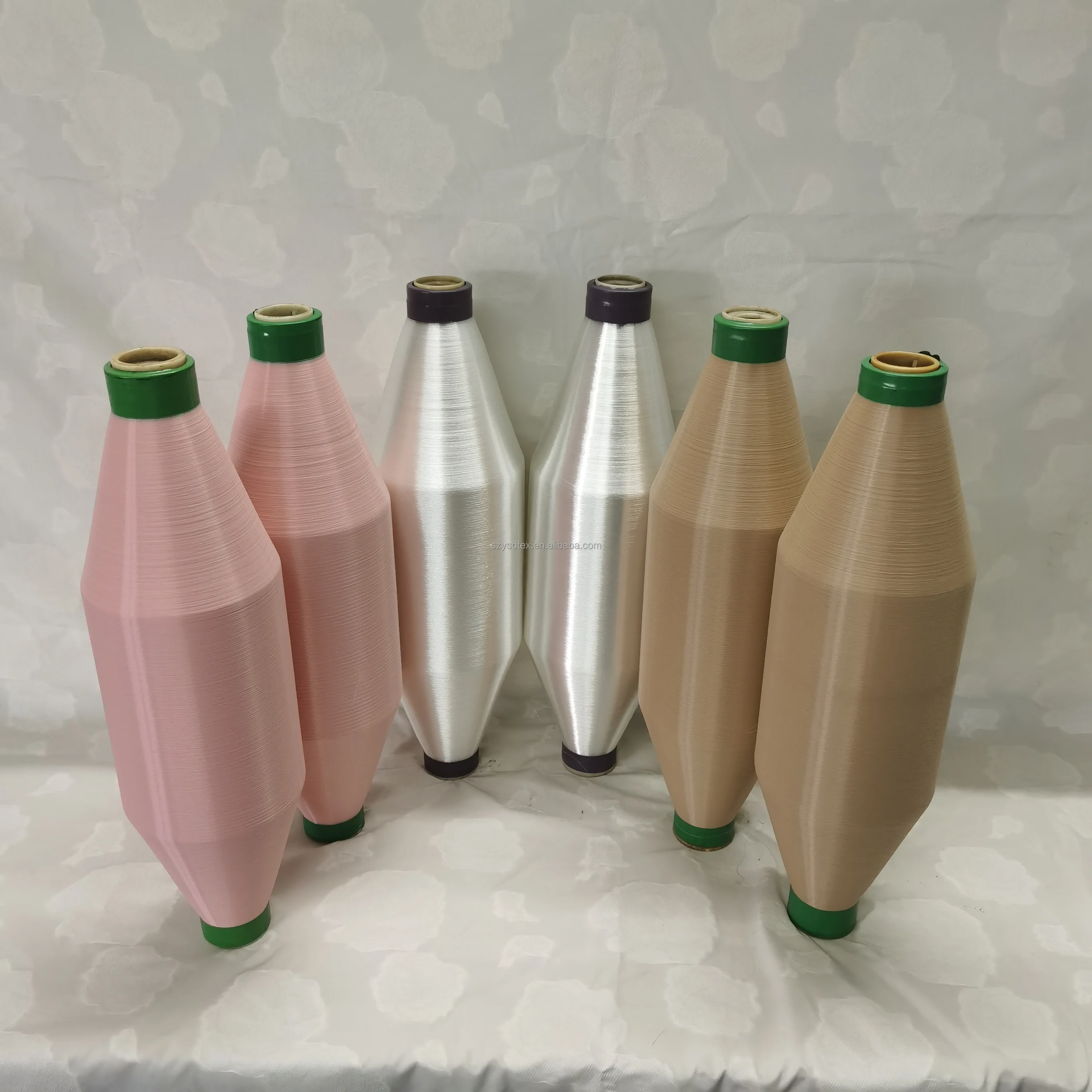
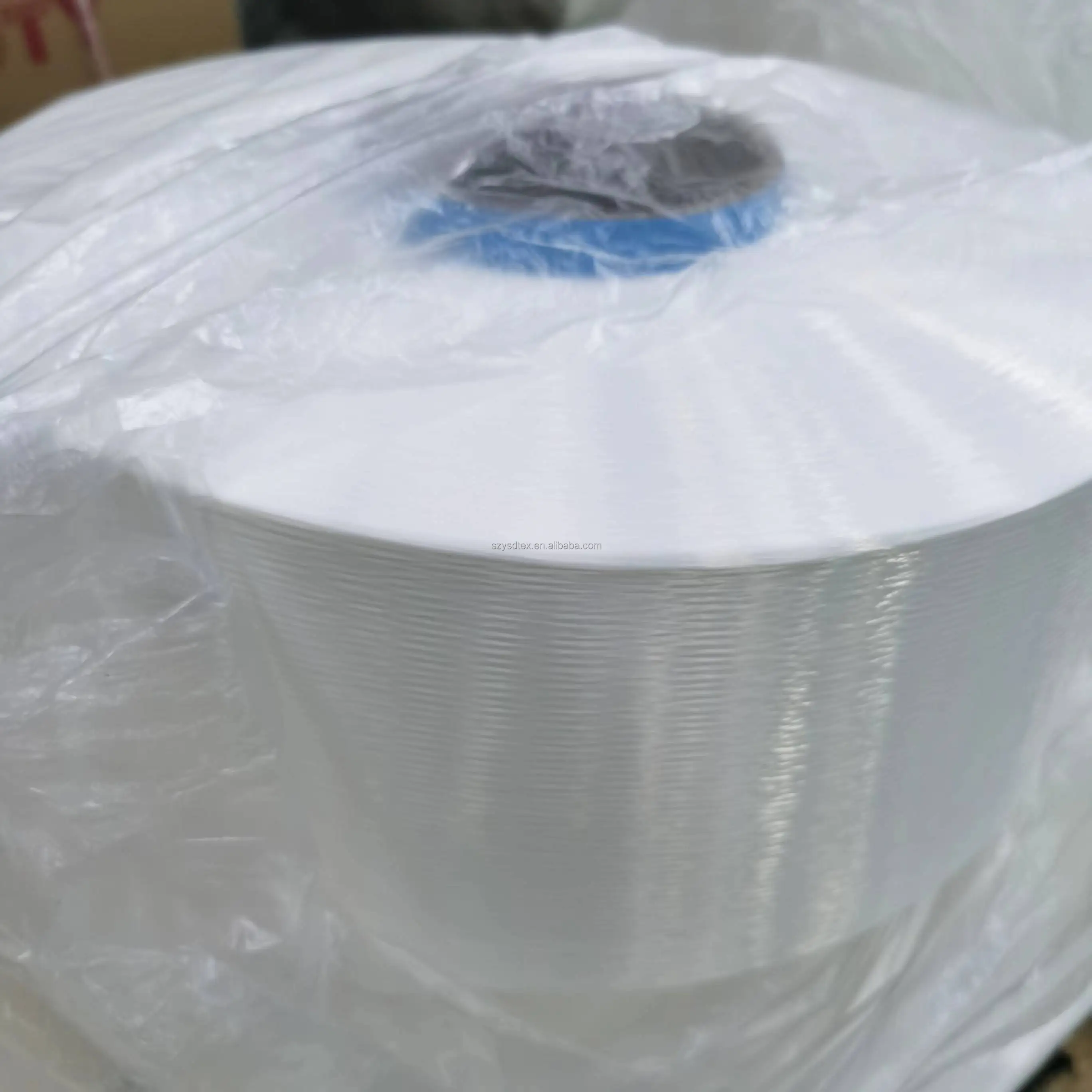
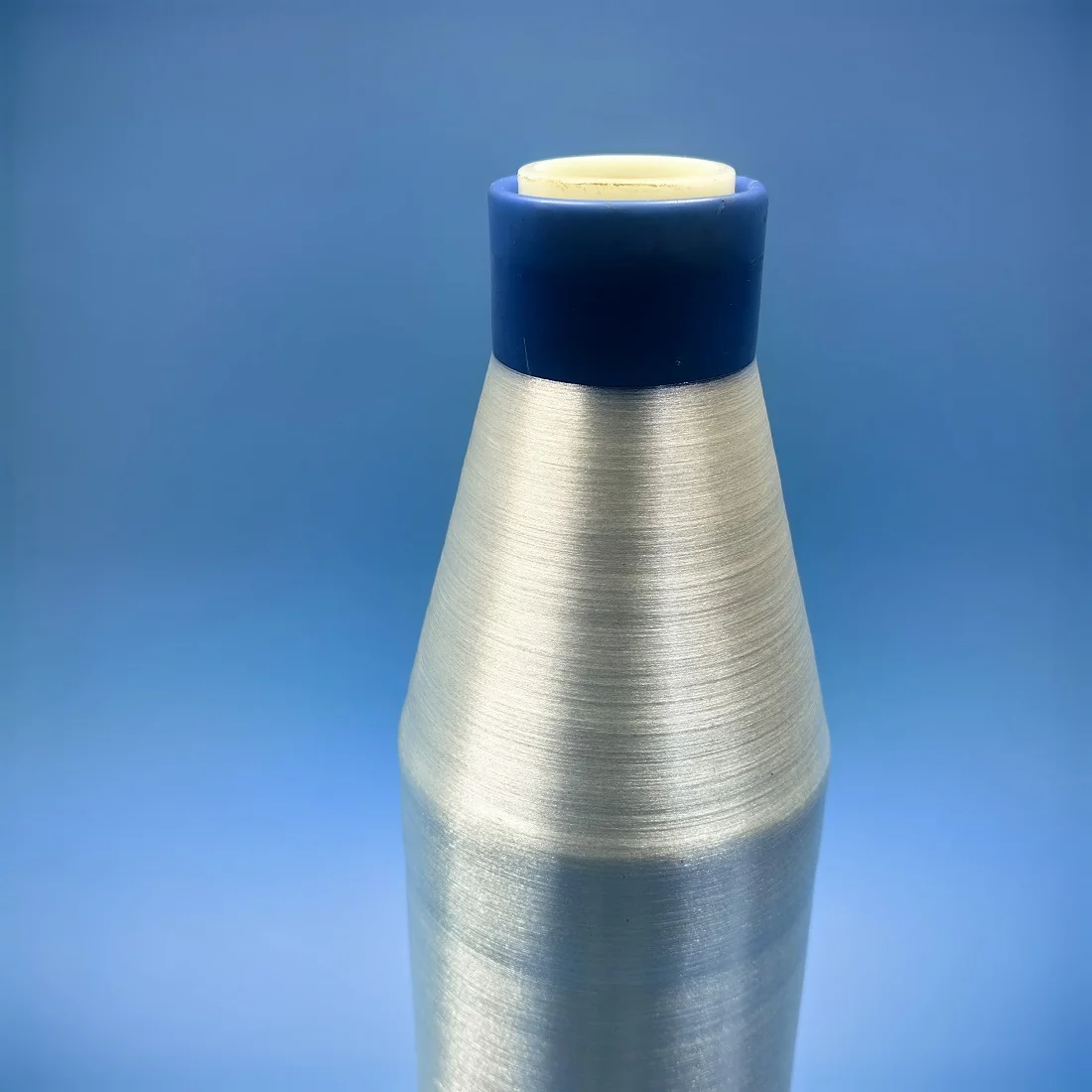
Polyester industrial yarn is a versatile and essential material in various manufacturing processes, particularly in the textile and fabric production sectors. It is crucial for B2B buyers such as purchasing managers, engineers, and product managers to understand the specific properties and applications of polyester yarn to ensure they select the right type for their projects. This article will guide you through the key considerations when sourcing polyester industrial yarn, including specifications, cost factors, supply reliability, and its applications across different industrial sectors.
Selecting the appropriate polyester industrial yarn involves understanding the specific requirements of your application. Polyester yarns can differ in terms of denier (thickness), tensile strength, and elasticity, which all affect the final product's performance. For example, a lower denier yarn may be suitable for lightweight textiles, while a higher denier yarn is often required for heavy-duty applications.
Consider the end use of the fabric. For instance, if the fabric will be subjected to high wear and tear, opt for polyester yarn with higher tensile strength. Additionally, the texture of the yarn whether it’s smooth or textured can impact the fabric's feel and appearance. Before making a selection, it's advisable to request samples to evaluate the polyester textured yarn's performance in real-world conditions.
When sourcing polyester industrial yarn, several key specifications should be taken into account:
Denier: This measurement indicates the thickness of the yarn. A higher denier typically correlates with increased strength and durability, making it suitable for industrial applications.
Tensile Strength: This refers to the maximum amount of stress a yarn can bear before breaking. It is vital for applications where the fabric will experience substantial tension.
Elasticity: The ability of the yarn to stretch and recover is critical in making fabrics that require flexibility, such as those used in activewear.
Twist Rate: The number of twists per unit length can affect the yarn's strength and texture. A higher twist rate tends to improve durability.
Color Fastness: For applications where color retention is essential, ensure the yarn meets specific standards for light and wash fastness.
Understanding these specifications will help you make informed purchasing decisions and ensure that the polyester yarn meets your project requirements.
Pricing for polyester industrial yarn can vary significantly based on several factors. Key considerations include:
Raw Material Costs: Fluctuations in the price of polyester fibers directly affect yarn pricing. Be aware of market trends that may impact costs.
Order Volume: Bulk purchases typically come with discounts. Establishing a relationship with suppliers for larger orders can lead to better pricing and terms.
Customization: If your application requires specific colors, textures, or other custom features, be prepared for higher costs associated with these modifications.
Quality Control Measures: Engaging suppliers with stringent quality control processes may incur additional costs, but this investment can prevent costly errors in production.
Understanding these factors can help you budget effectively and negotiate better terms with your suppliers.
Reliability in supply is crucial for maintaining production schedules. To ensure a consistent supply of polyester industrial yarn, consider the following strategies:
Supplier Evaluation: Conduct thorough research on potential polyester yarn manufacturer. Assess their manufacturing capabilities, production capacity, and past performance in delivering orders on time.
Lead Time: Discuss lead times with suppliers to ensure they align with your production schedule. It’s advisable to have a clear understanding of the time it takes for production and delivery.
Contractual Agreements: Establish long-term contracts with suppliers to secure pricing and availability, especially in fluctuating markets.
Inventory Management: Maintain a buffer stock of yarn to prevent disruptions in production. Regularly review inventory levels to anticipate needs.
By implementing these strategies, you can mitigate risks associated with supply chain disruptions.
company was founded the year 2013. In the last eleven years, we've sold 300 sets of items remain the leading company in sales till today. company a sectional split mother yarn warping machinefirm that designs, produces and sells split warping equipment and yarn. manufacturing team brimming with professional skills and experience.
research and development department is the top quality. We've been providing yarn machinery for over 12 years. We upgrade technology constantly. We also have huge 20,000m2 nylon/polyester high speed sectional split warping machinefacility. team is committed supplying machines of the highest quality. Every member of the team extremely dedicated and accountable for their daily task. We are hoping that our technology and dedication will allow you produce more effective work.
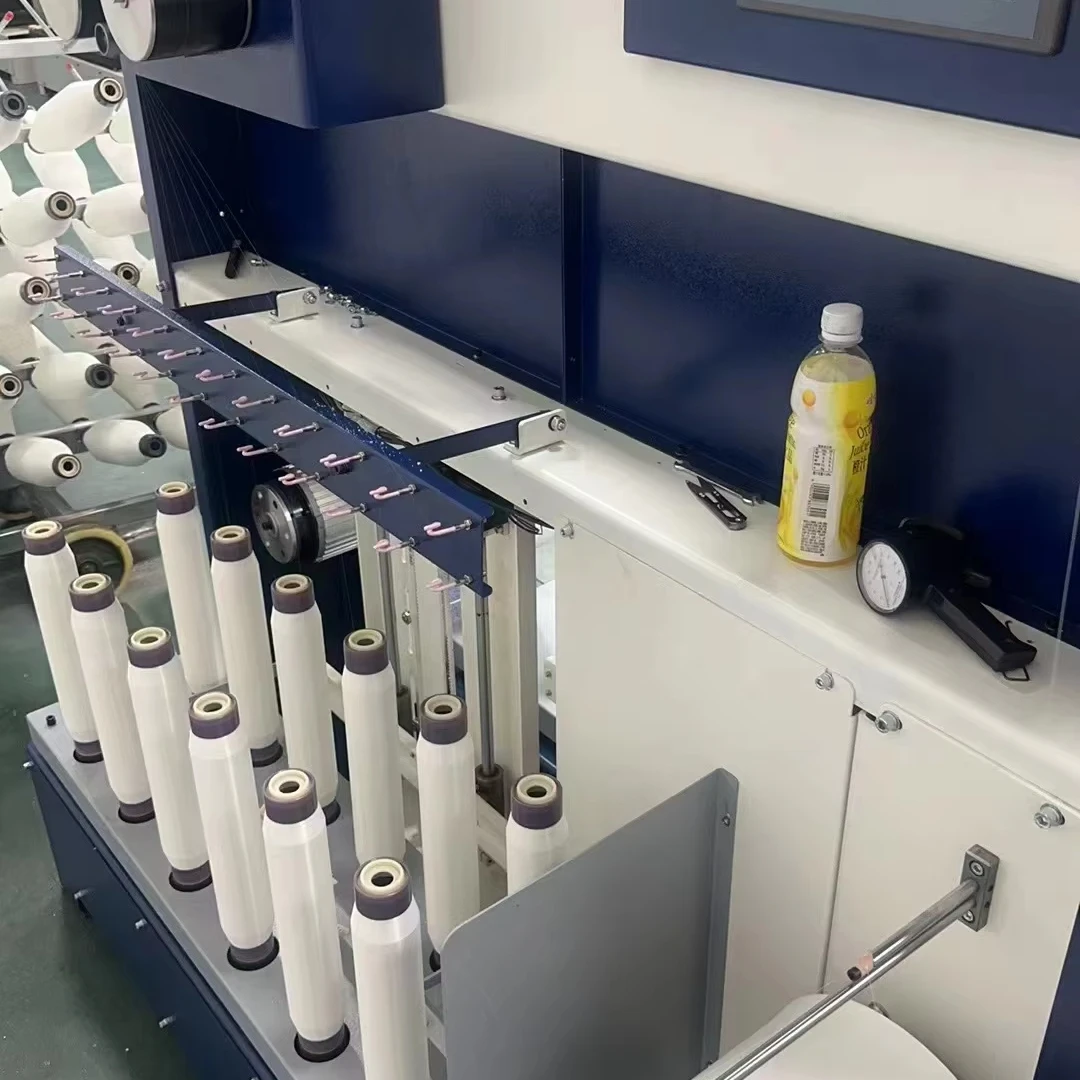
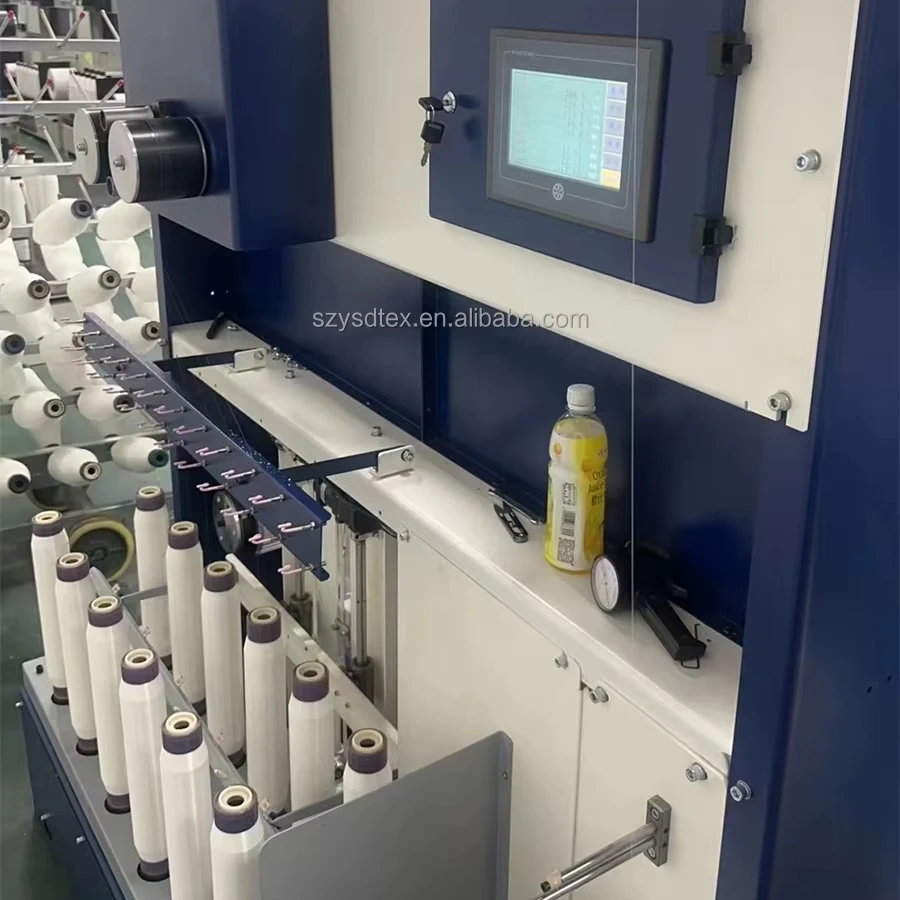
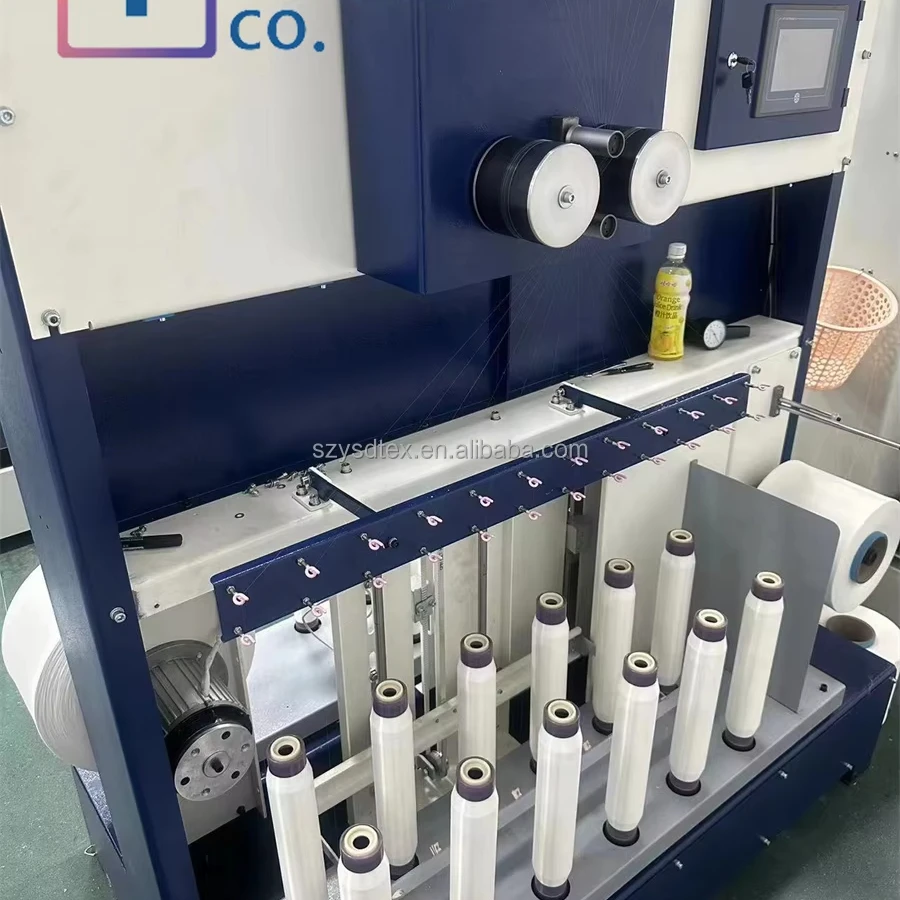
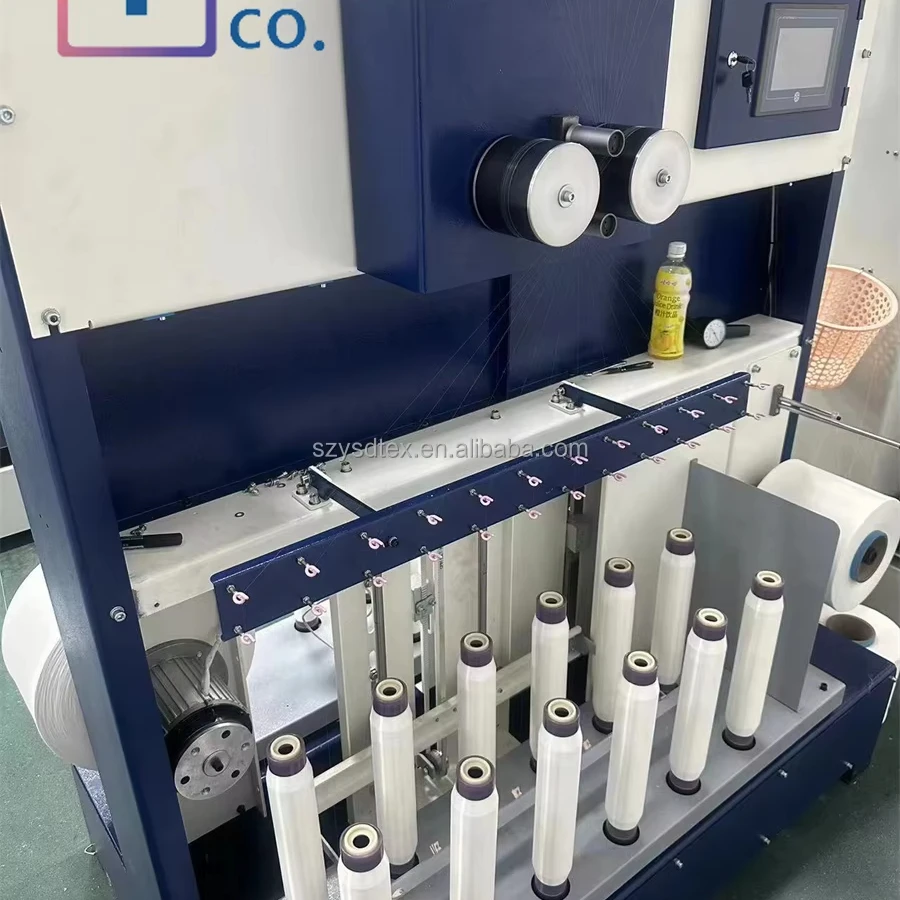
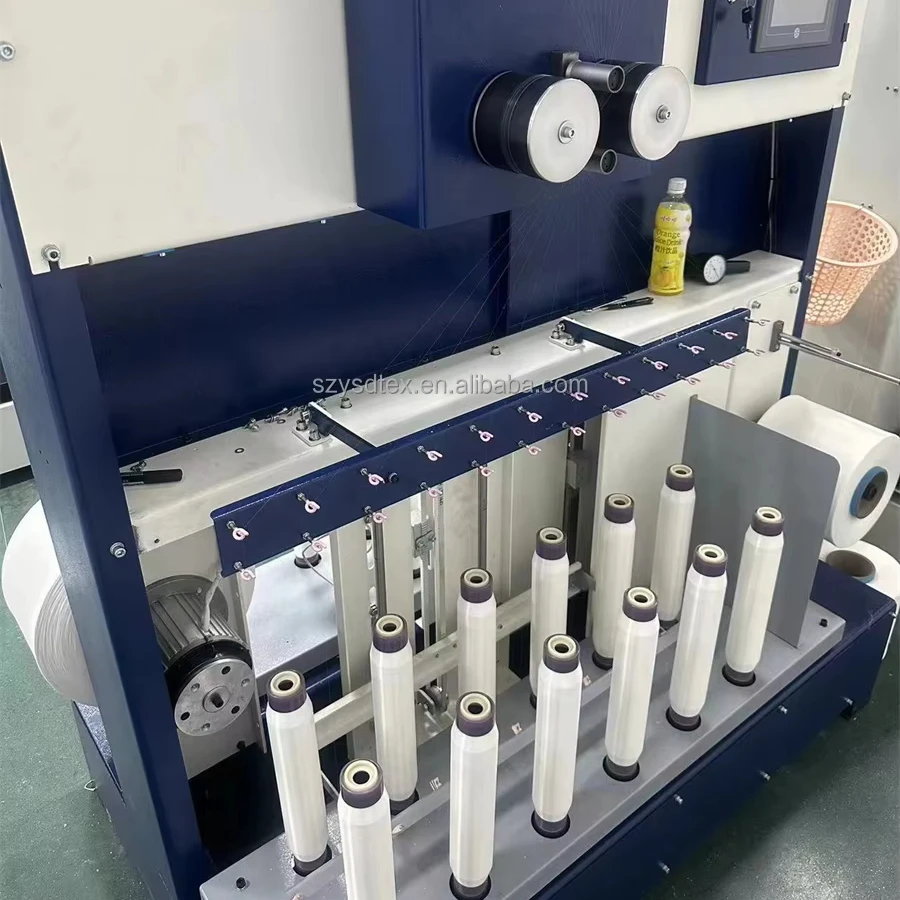
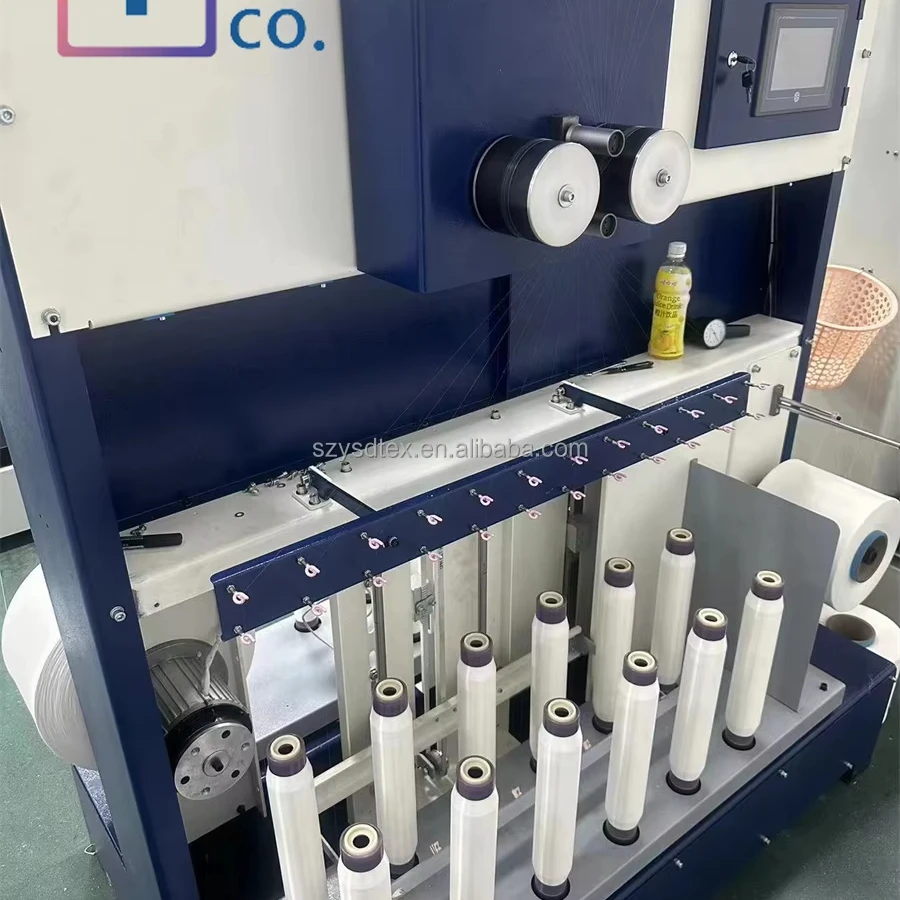
sectional mother yarn sectional warping machinewarping machine produce even tension beams with 550m/mins speed nylon mother yarn. also invented the first machine make polyester dty mother yarn.products are simple install, easy to set up, and easy to operate, have no demands on workers.
factory team has been customer-focused are aware that customer wants Direct warping machineis the key for the success of business. They pay attention their the voice customers and optimise production service to meet their expectations needs.

SUZHOU Y.S.D TEXTILE COMPANY IA LOCATED IN SUZHOU PINGWANG TOWN, WITH 30000m2 OF MACHINE PRODUCTION WORKSHPOP, ALSO HAVE 20000m2 OF NYON/ POLYESTER PRODUCTION WORKSHOP.
No.12 Nanyue Road Pingwang Town Wujiang Suzhou City Jiangsu Province China.
Copyright © Y.S.D.TEXTILE All Rights Reserved Privacy Policy
 EN
 FR
 DE
 EL
 IT
 JA
 KO
 RO
 RU
 ES
 ID
 UK
 VI
 TH
 TR
 BN
 NE