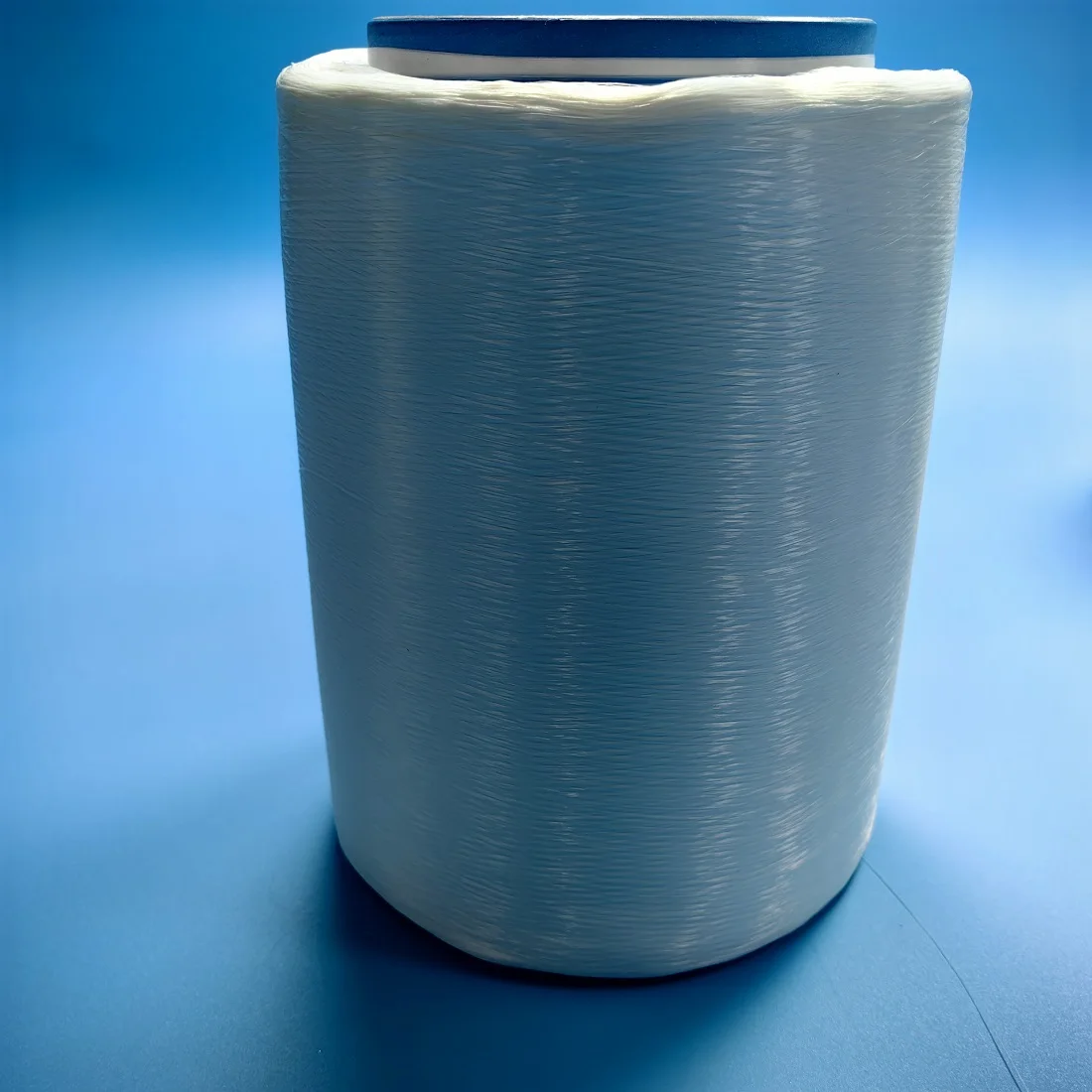
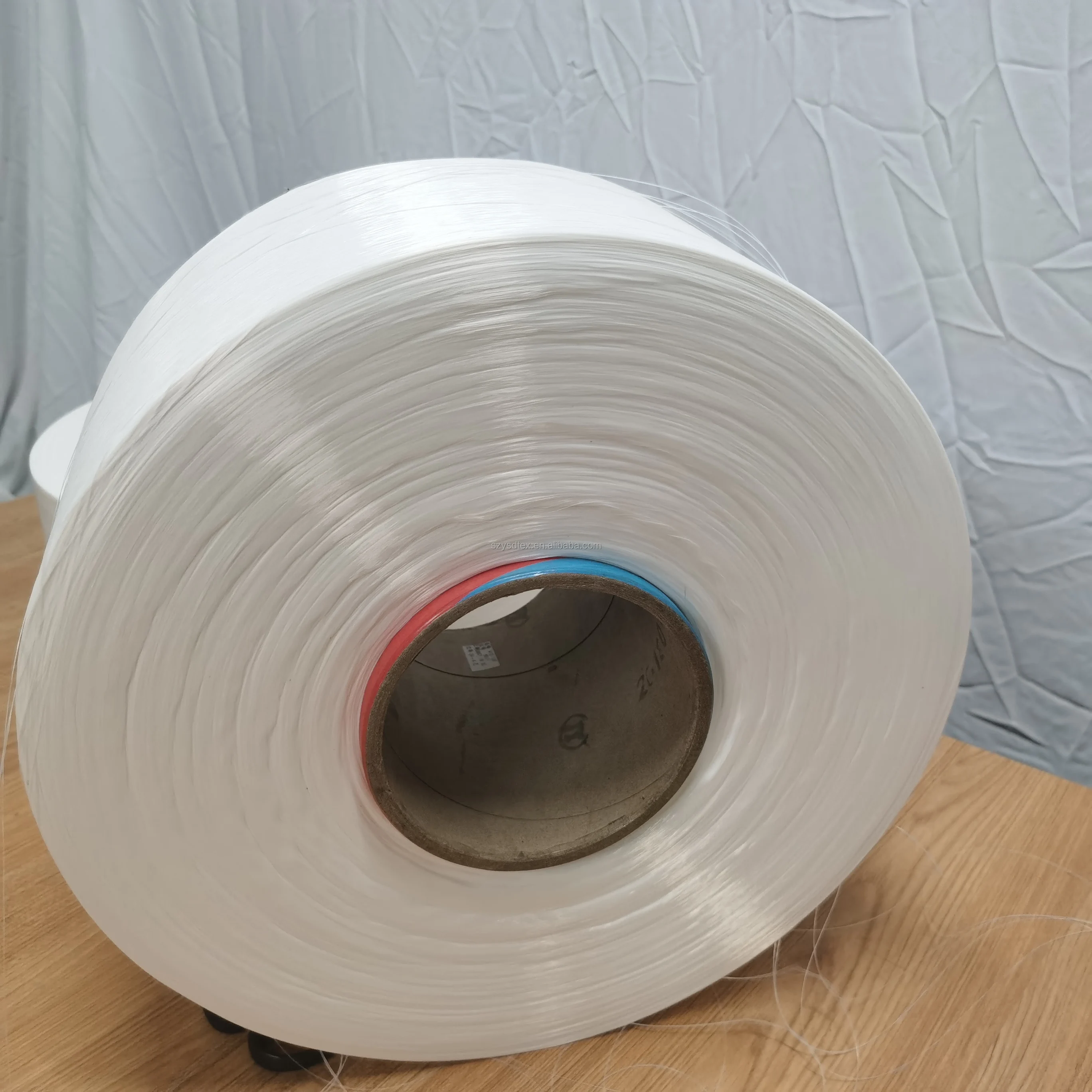
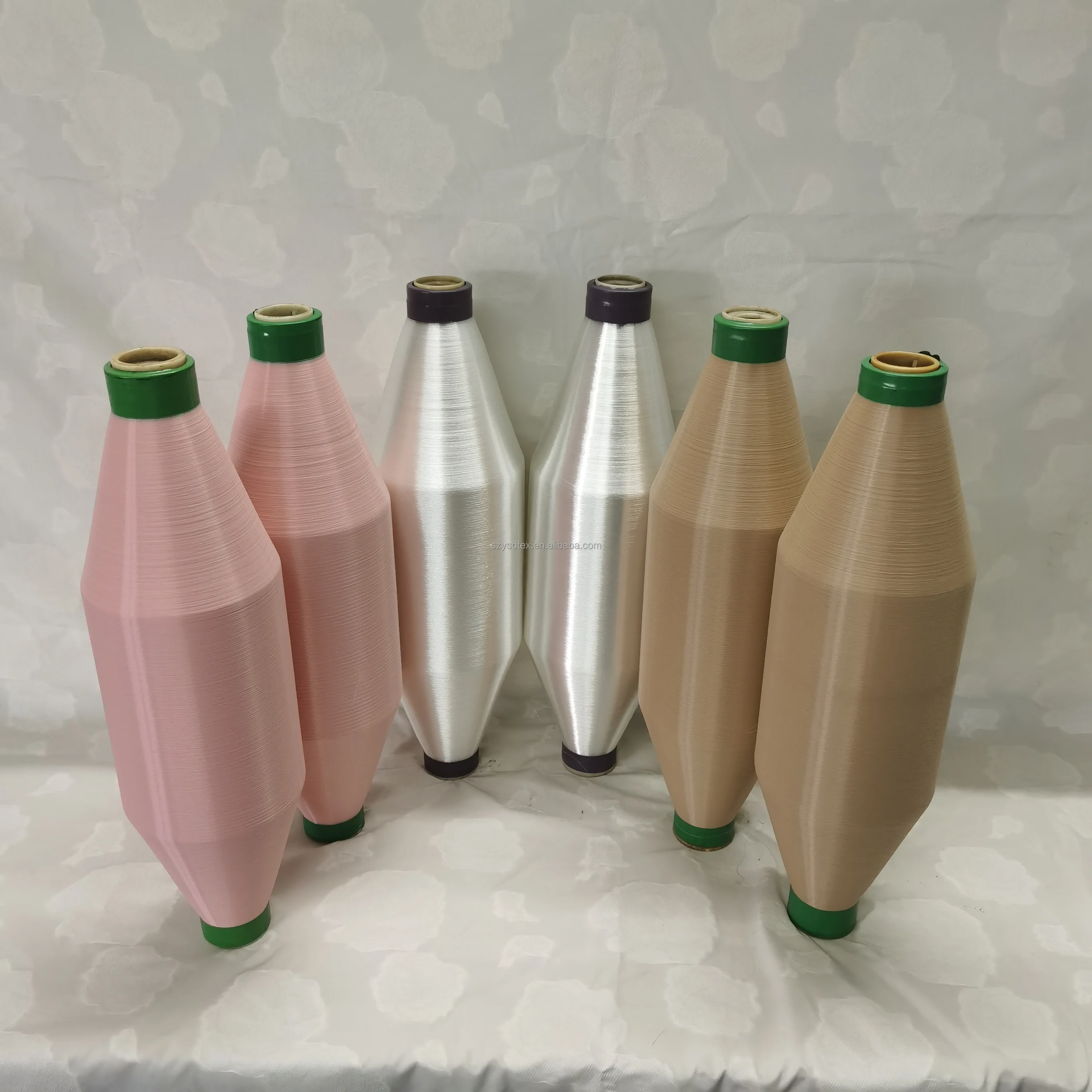
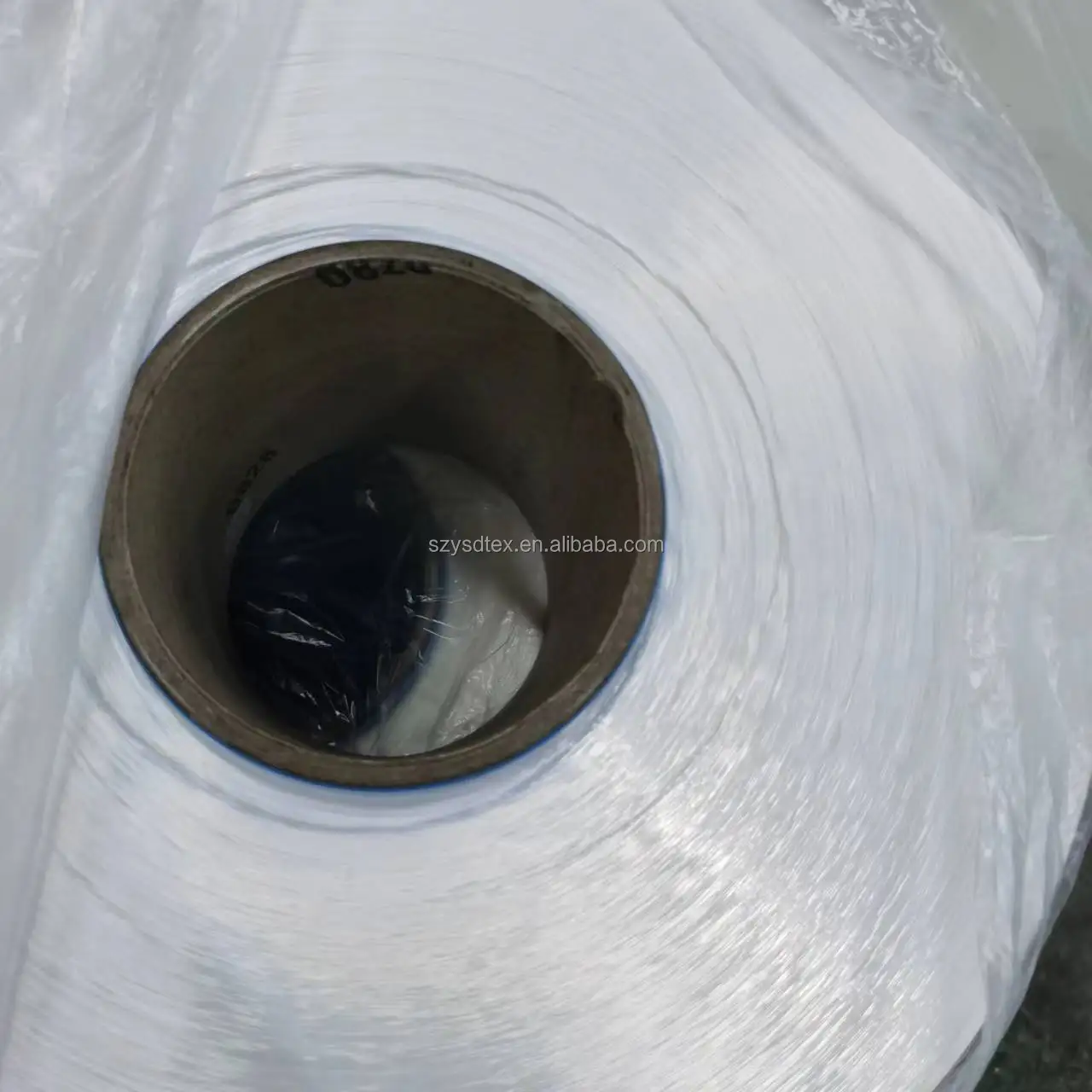
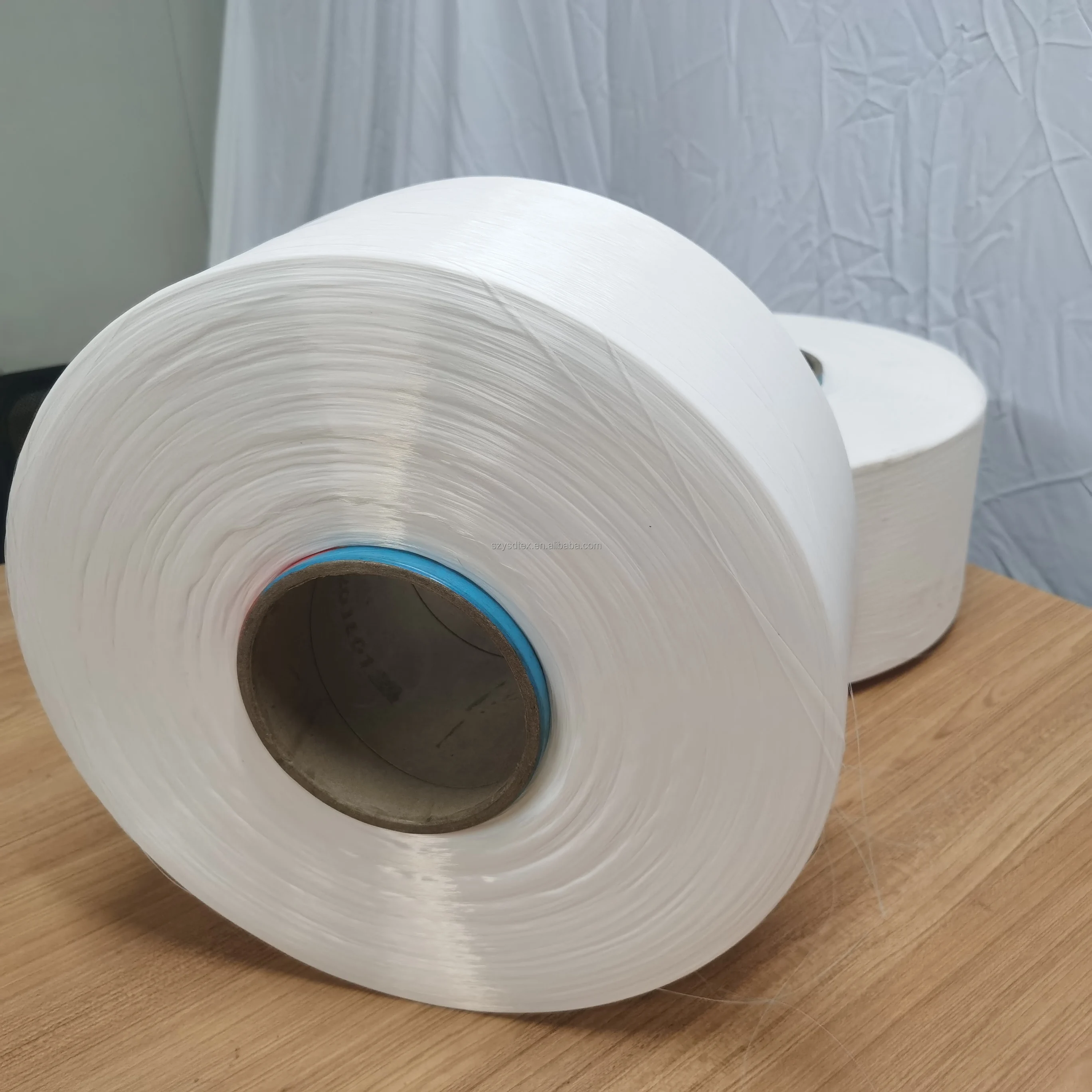
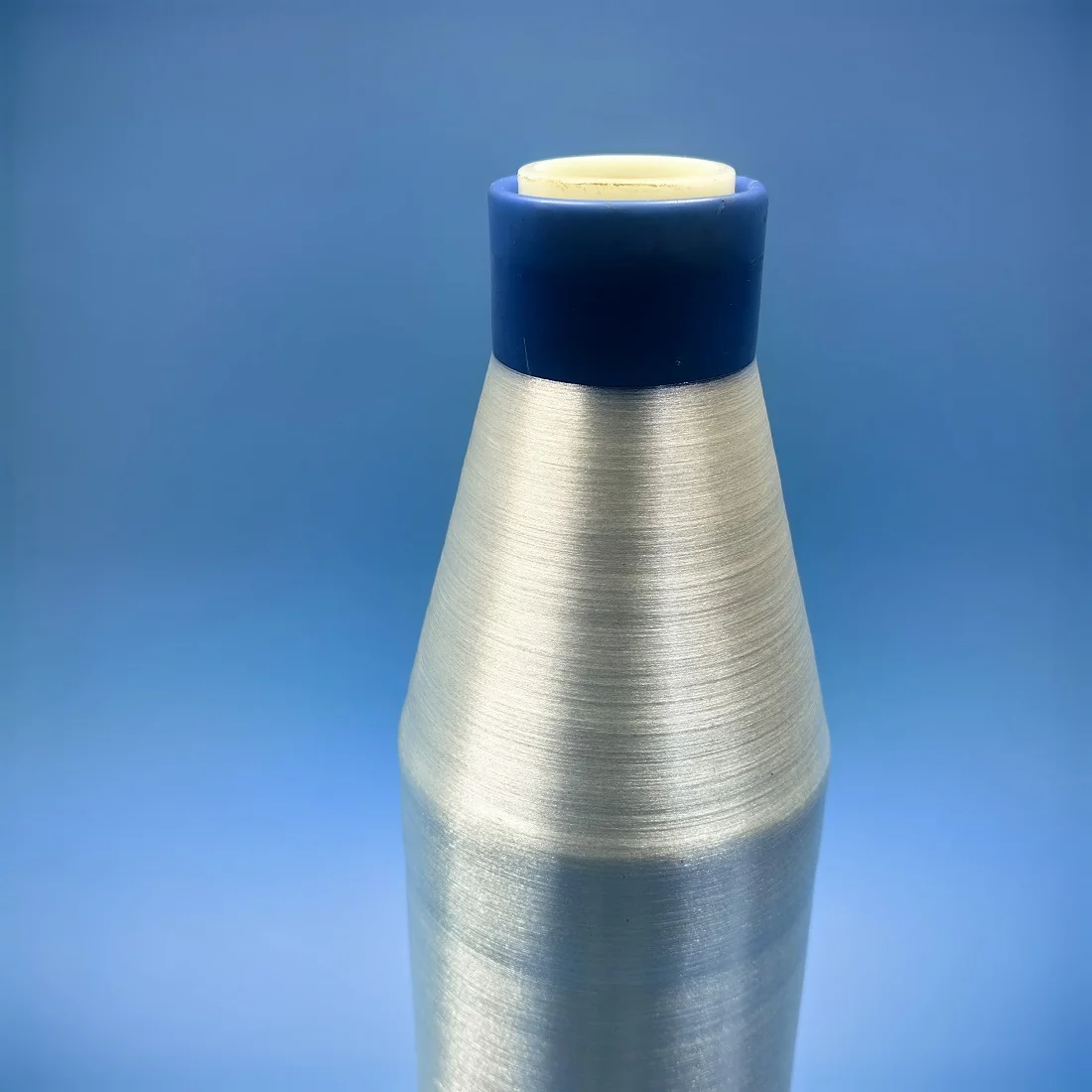
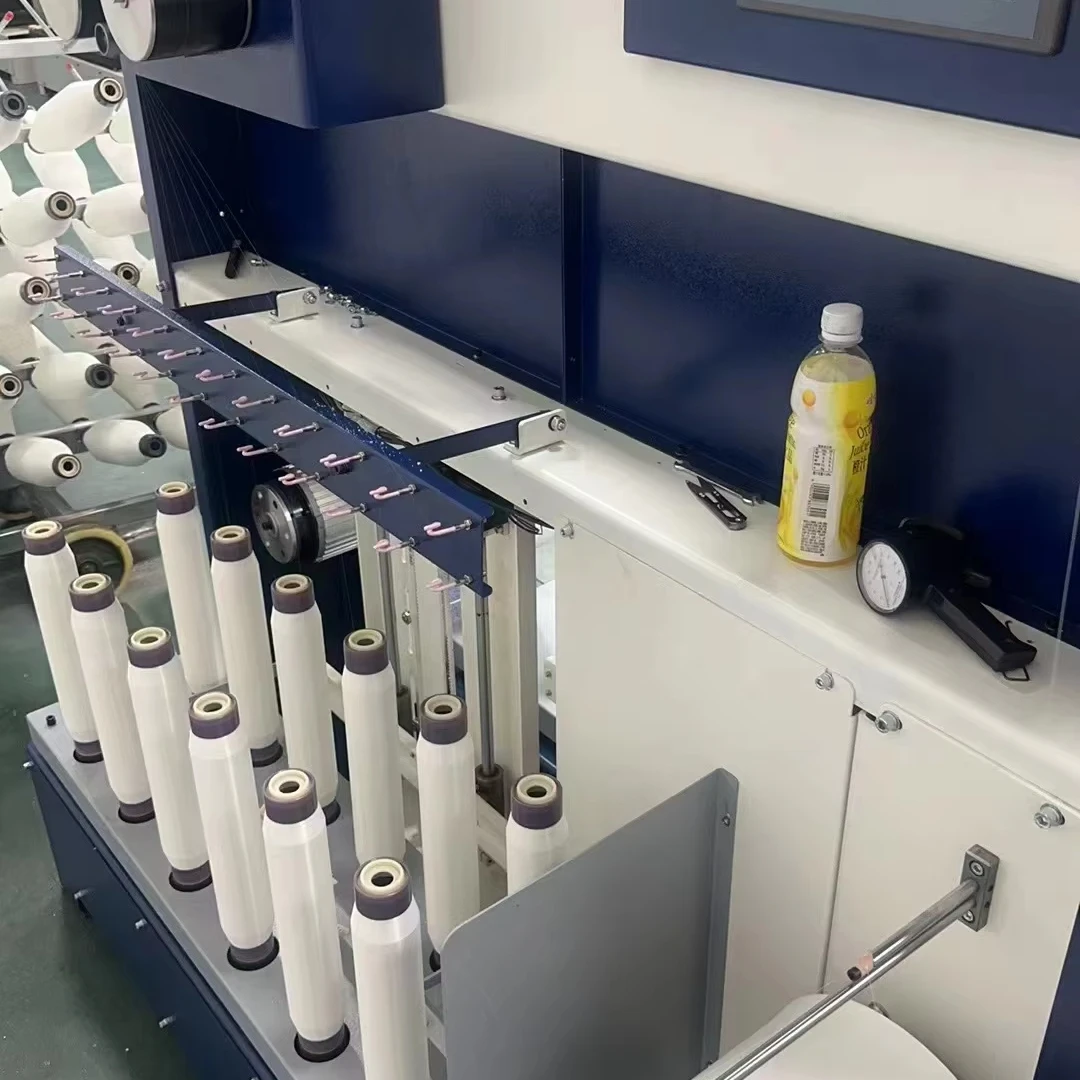
Polyester knitting yarn is a staple in the textile industry, widely used for various applications due to its durability, versatility, and cost-effectiveness. As a purchasing manager or product manager, understanding what to look for when sourcing high-quality polyester textured yarns knitting yarn can significantly impact your production process and final product quality. This article aims to provide insight into crucial considerations when selecting polyester knitting yarn suppliers, key specifications to look for, and practical tips for evaluating product quality.
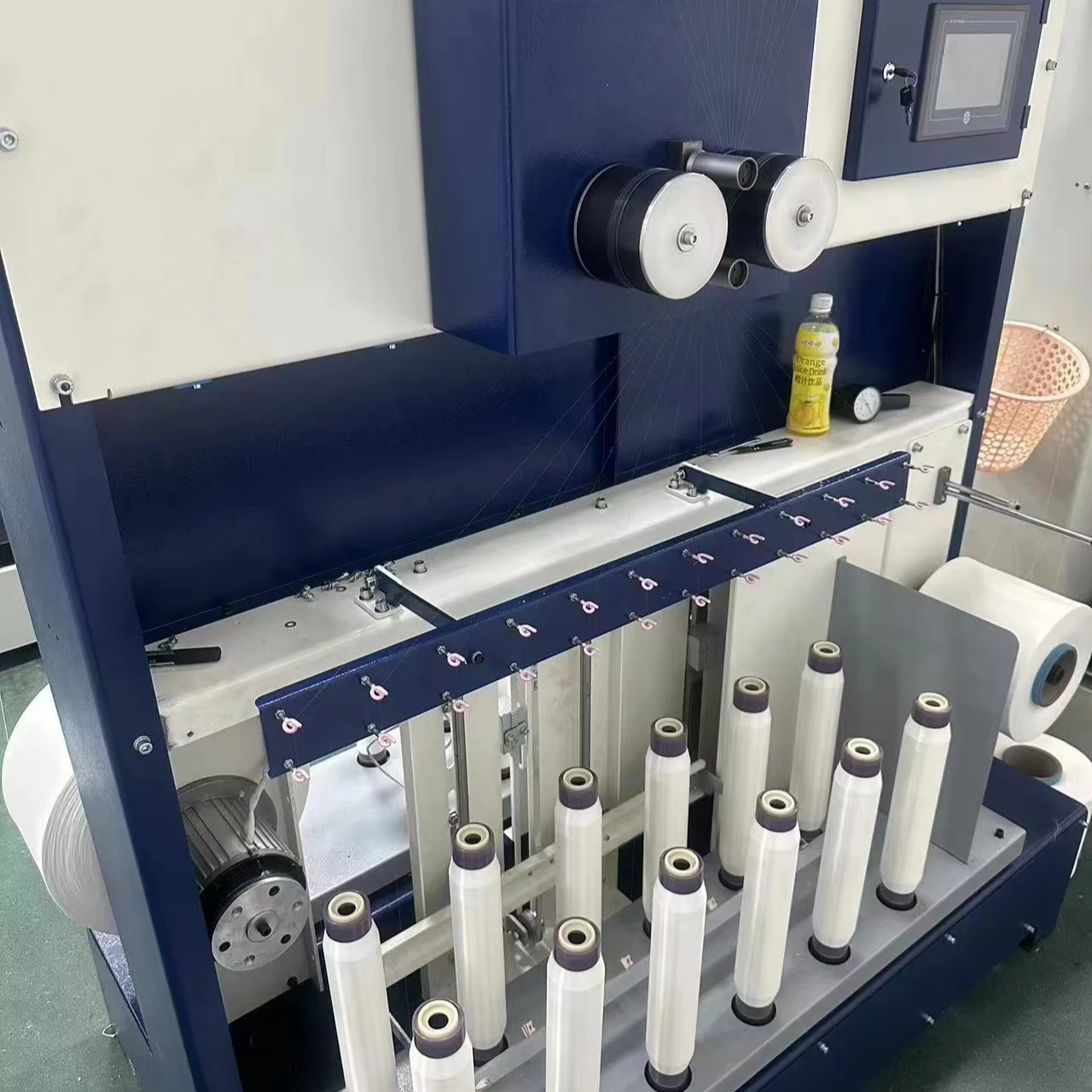
Selecting the right supplier for polyester knitting yarn is critical for ensuring consistent quality and reliability in your manufacturing processes. Start by assessing the supplier's production capabilities and whether they have adequate machinery and technology, such as high-speed sectional warping machines and splitting machines, to meet your volume requirements.
Additionally, consider the supplier's experience in the industry. A well-established manufacturer will have a better understanding of the nuances of yarn production and can offer valuable insights or recommendations based on your specific needs. Look for testimonials or case studies that demonstrate their reliability and quality.
Another factor is the supplier's ability to customize yarn types based on your requirements. Polyester knitting yarn can come in various specifications, including denier, twist, and color, which can affect the fabric's final appearance and performance. Ensure that the supplier can accommodate custom orders and is flexible with Minimum Order Quantities (MOQs) to fit your production needs.
When evaluating polyester knitting yarn, certain specifications are paramount. Key specifications include:
Denier and Filament Count: Denier measures the thickness of the yarn. A lower denier indicates a finer yarn, while a higher denier indicates a thicker one. Filament count refers to the number of strands in the yarn. Depending on your application, you may need a specific denier or filament count for optimal performance.
Twist Rate: The twist in yarn affects its strength and texture. A higher twist may increase strength but can also make the yarn stiffer. Understanding the desired properties of your final fabric will help you determine the appropriate twist rate.
Color Fastness: This specification indicates how well the yarn retains its dye under various conditions, such as washing or exposure to sunlight. High color fastness is essential for products that will undergo repeated washing or be exposed to harsh environments.
Moisture Wicking and Breathability: Depending on your application, consider whether the yarn needs moisture-wicking properties or breathability. This is particularly important for activewear and outdoor fabrics.
Certification Standards: Check if the yarn complies with relevant industry standards, such as those for safety or sustainability. Certifications can indicate the quality and reliability of the yarn.
Evaluating the quality of polyester knitting yarn involves both physical inspections and testing processes. Start by requesting samples from your potential suppliers. Inspect the samples for consistency in color, texture, and thickness. Look for any irregularities that could affect the performance of your final product.
Conduct tests on the samples to determine strength, elasticity, and color fastness. For example, perform tensile strength tests to check how much force the yarn can withstand before breaking. Additionally, wash tests can help you assess color fastness and overall durability.
It's also beneficial to inquire about the supplier's quality control processes. A reputable manufacturer should have stringent inspection protocols in place to ensure that each batch of yarn meets specified standards. Ask for documentation or reports that outline their quality assurance practices.
Finding reliable suppliers for bulk polyester knitting yarn can be achieved through various channels. Trade shows and industry exhibitions are excellent venues for meeting manufacturers and suppliers face-to-face. These events allow you to see the product firsthand and discuss your specific needs directly with representatives.
Online B2B marketplaces are also valuable resources. Platforms like Alibaba, ThomasNet, and Global Sources offer extensive listings of suppliers, complete with ratings and reviews from other buyers. When using these platforms, ensure to verify the supplier's credentials and request references if necessary.
Networking within industry associations and forums can also connect you with suppliers who specialize in polyester monofilament yarn knitting yarn. Engaging with peers in your industry can yield recommendations for reliable manufacturers based on firsthand experiences.
company was founded the year 2013. In the last eleven years, we've sold 300 sets of items remain the leading company in sales till today. company a polyester monofilamentfirm that designs, produces and sells split warping equipment and yarn. manufacturing team brimming with professional skills and experience.
research and development department is the top quality. We've been providing yarn machinery for over 12 years. We upgrade technology constantly. We also have huge 20,000m2 nylon/polyester high speed sectional split warping machinefacility. team is committed supplying machines of the highest quality. Every member of the team extremely dedicated and accountable for their daily task. We are hoping that our technology and dedication will allow you produce more effective work.
sectional mother-yarn splitting textile machinery spare partsmachine can produce an same tension beam, with 550m/mins speed nylon mother yarn.also created first machine can make polyester DTY mother yarn.Our products are easy to set up, simple set up, easy to operate and have low demands employees.
factory team has been customer- mother yarn warping split, they are well aware that customer needs satisfaction are key to success of the company. They actively listen the voices of their customers, as well as optimize production service satisfy their requirements and expectations.

SUZHOU Y.S.D TEXTILE COMPANY IA LOCATED IN SUZHOU PINGWANG TOWN, WITH 30000m2 OF MACHINE PRODUCTION WORKSHPOP, ALSO HAVE 20000m2 OF NYON/ POLYESTER PRODUCTION WORKSHOP.
No.12 Nanyue Road Pingwang Town Wujiang Suzhou City Jiangsu Province China.
Copyright © Y.S.D.TEXTILE All Rights Reserved Privacy Policy
 EN
 FR
 DE
 EL
 IT
 JA
 KO
 RO
 RU
 ES
 ID
 UK
 VI
 TH
 TR
 BN
 NE