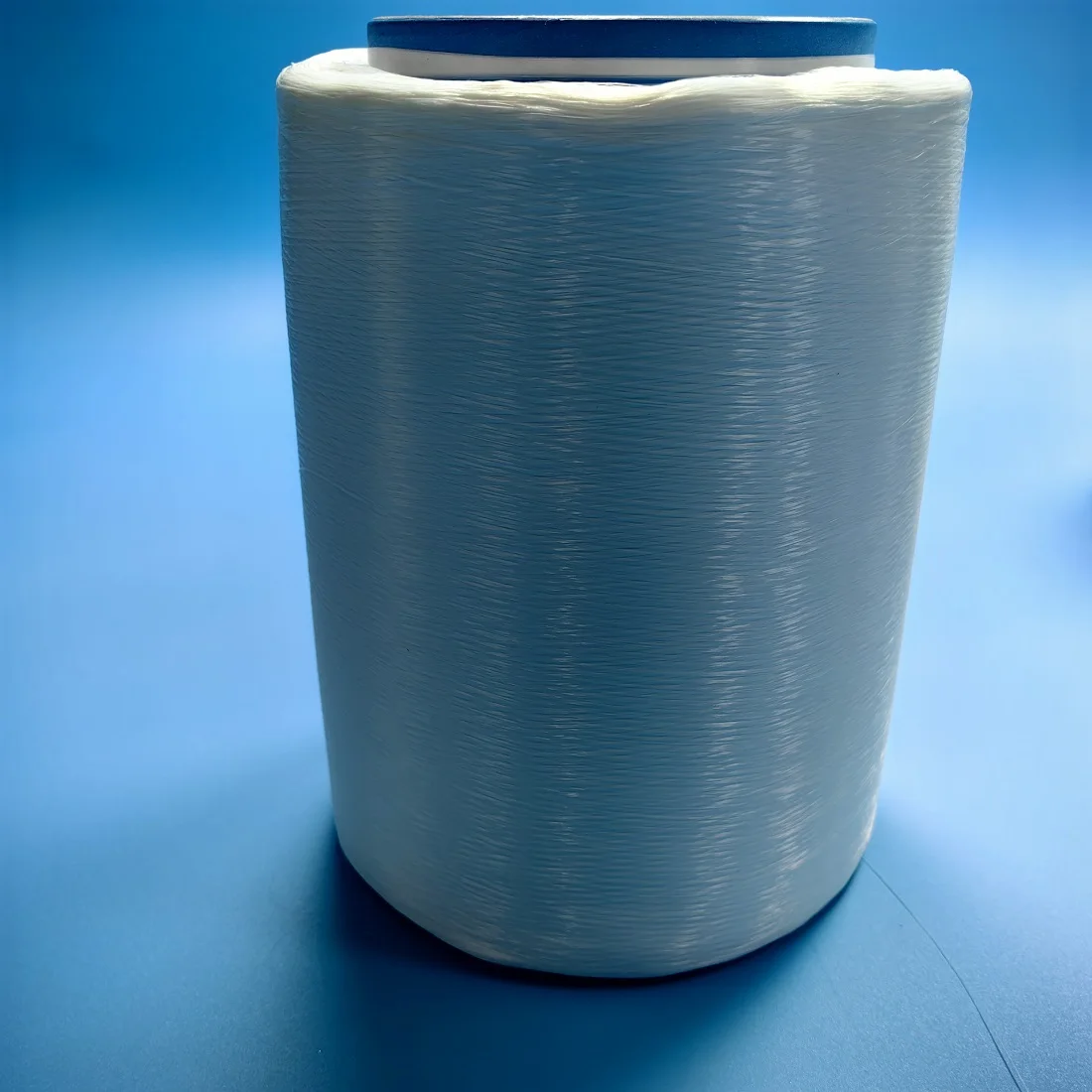
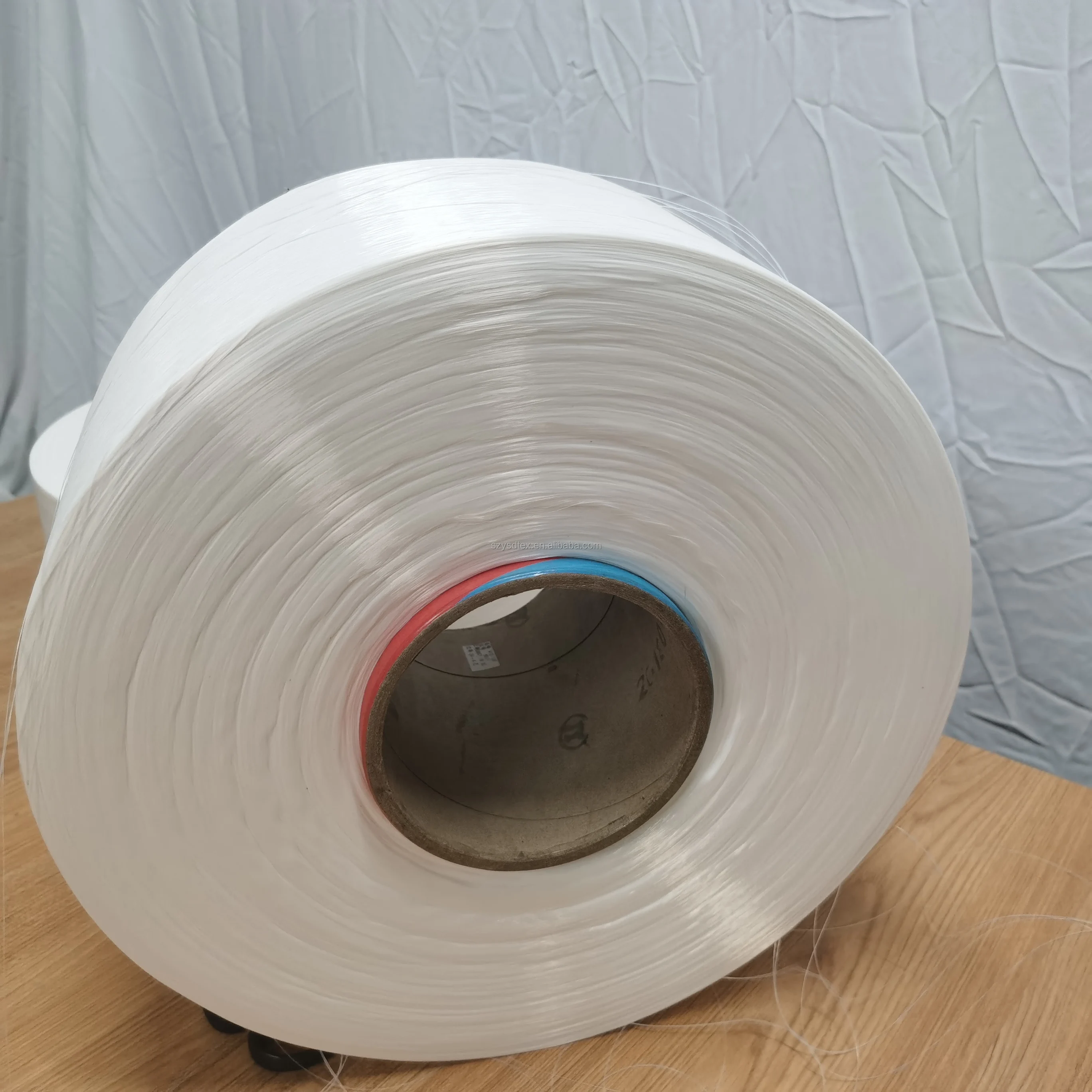
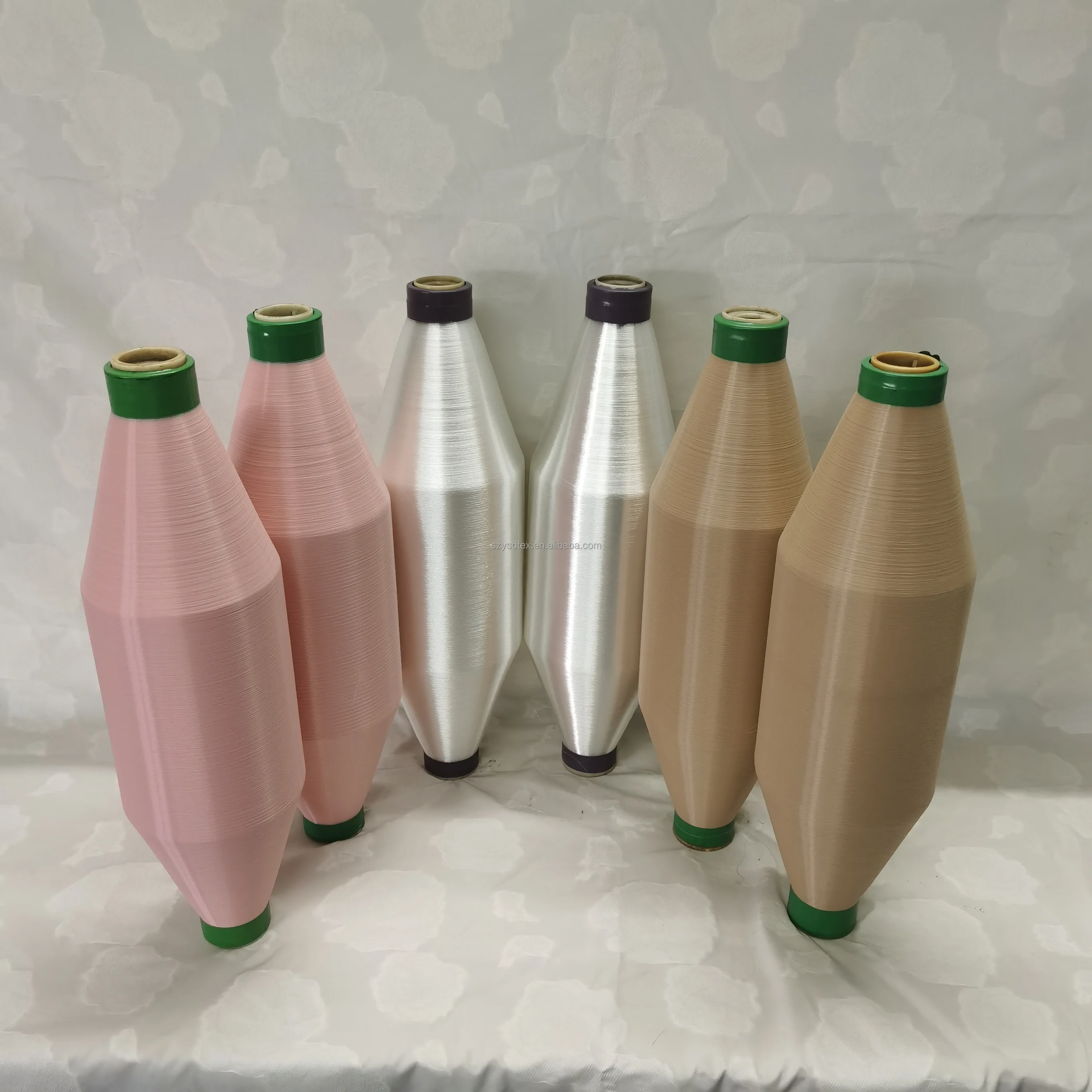
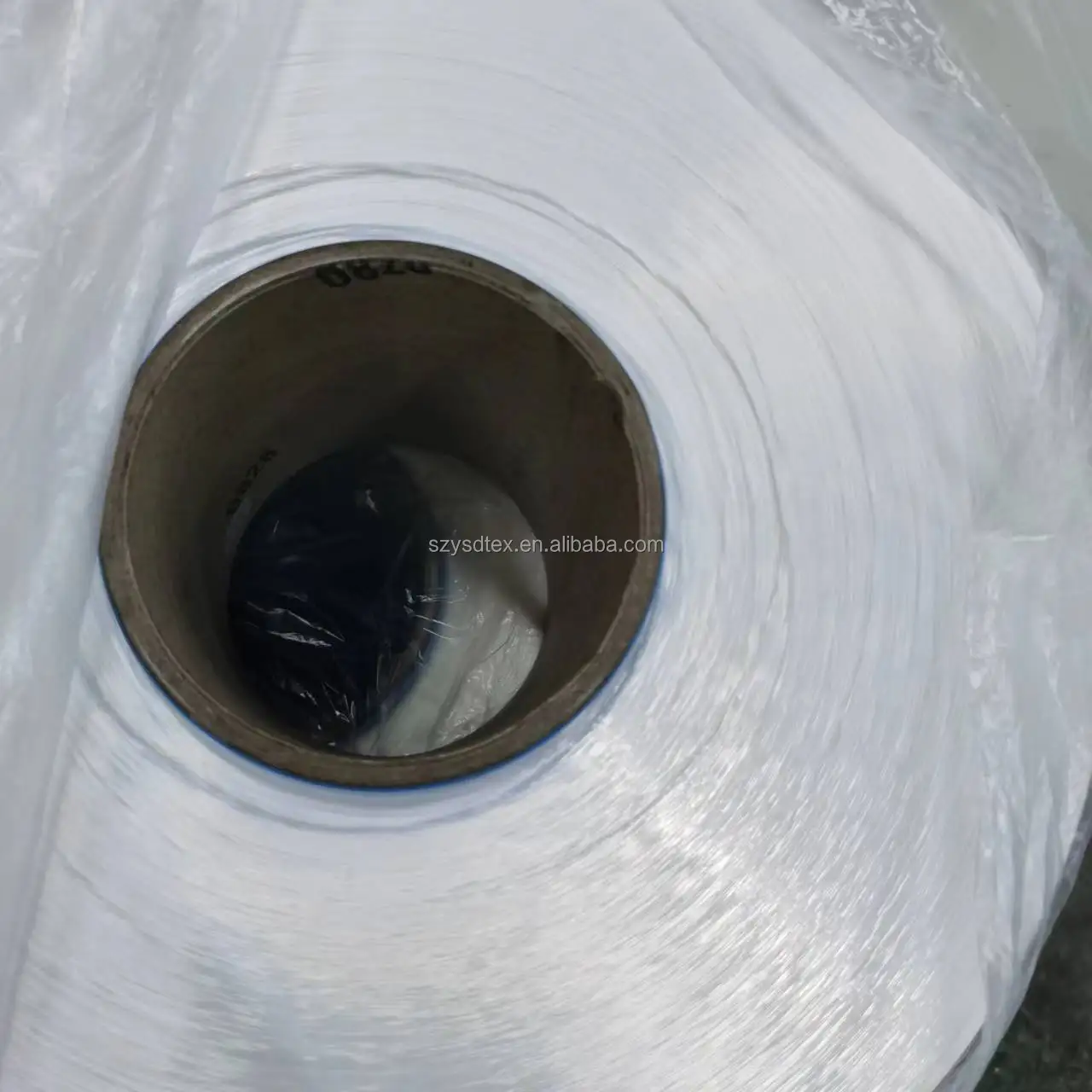
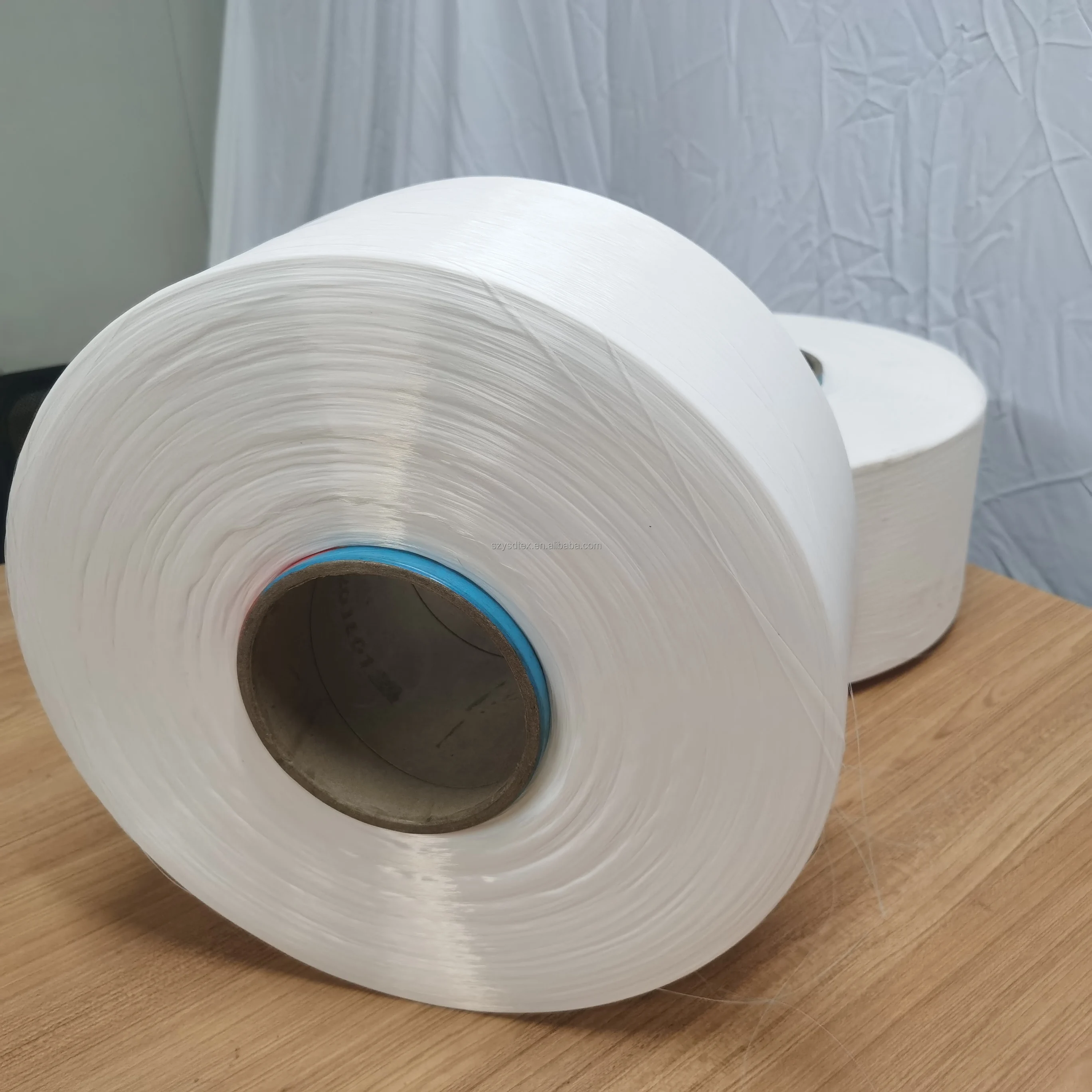
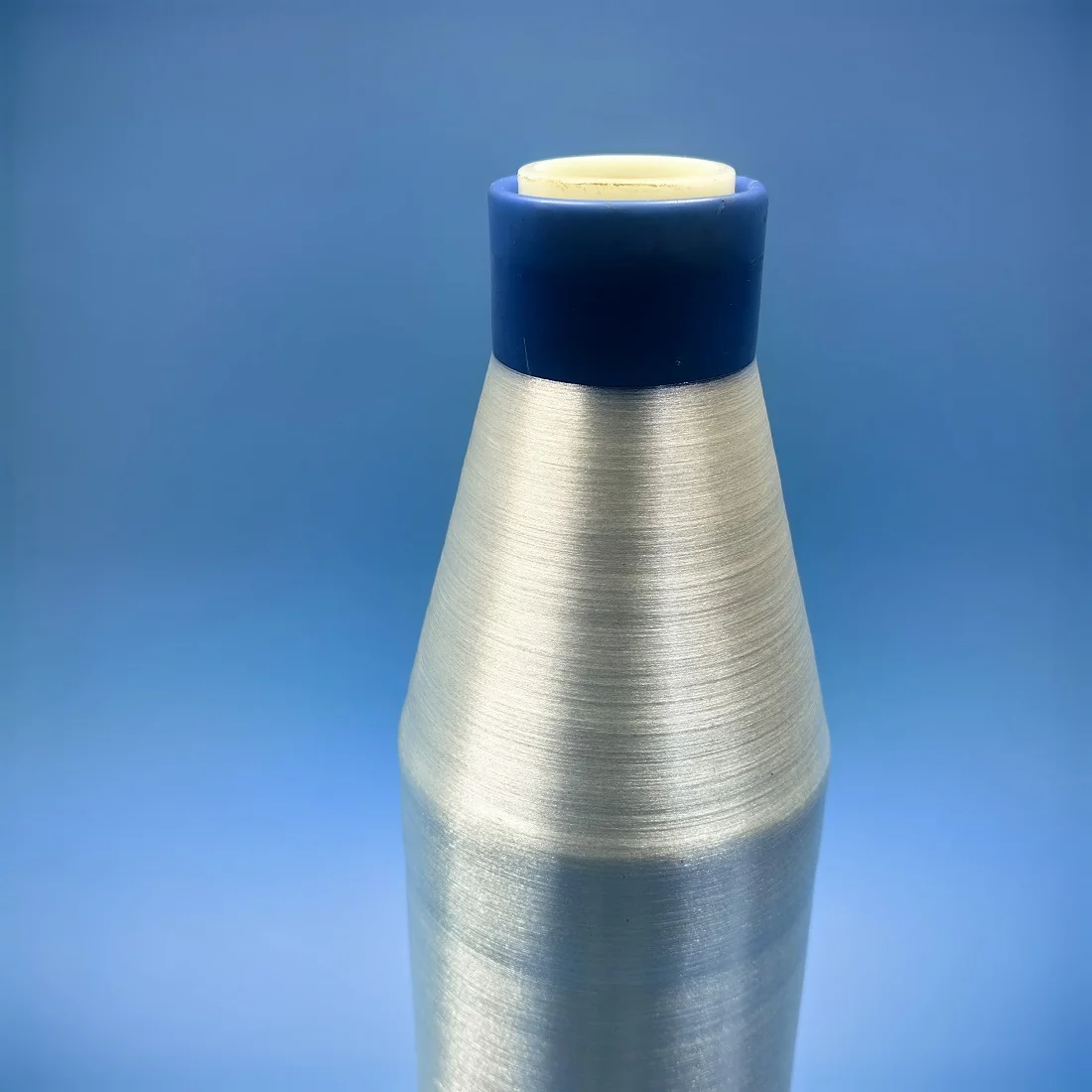
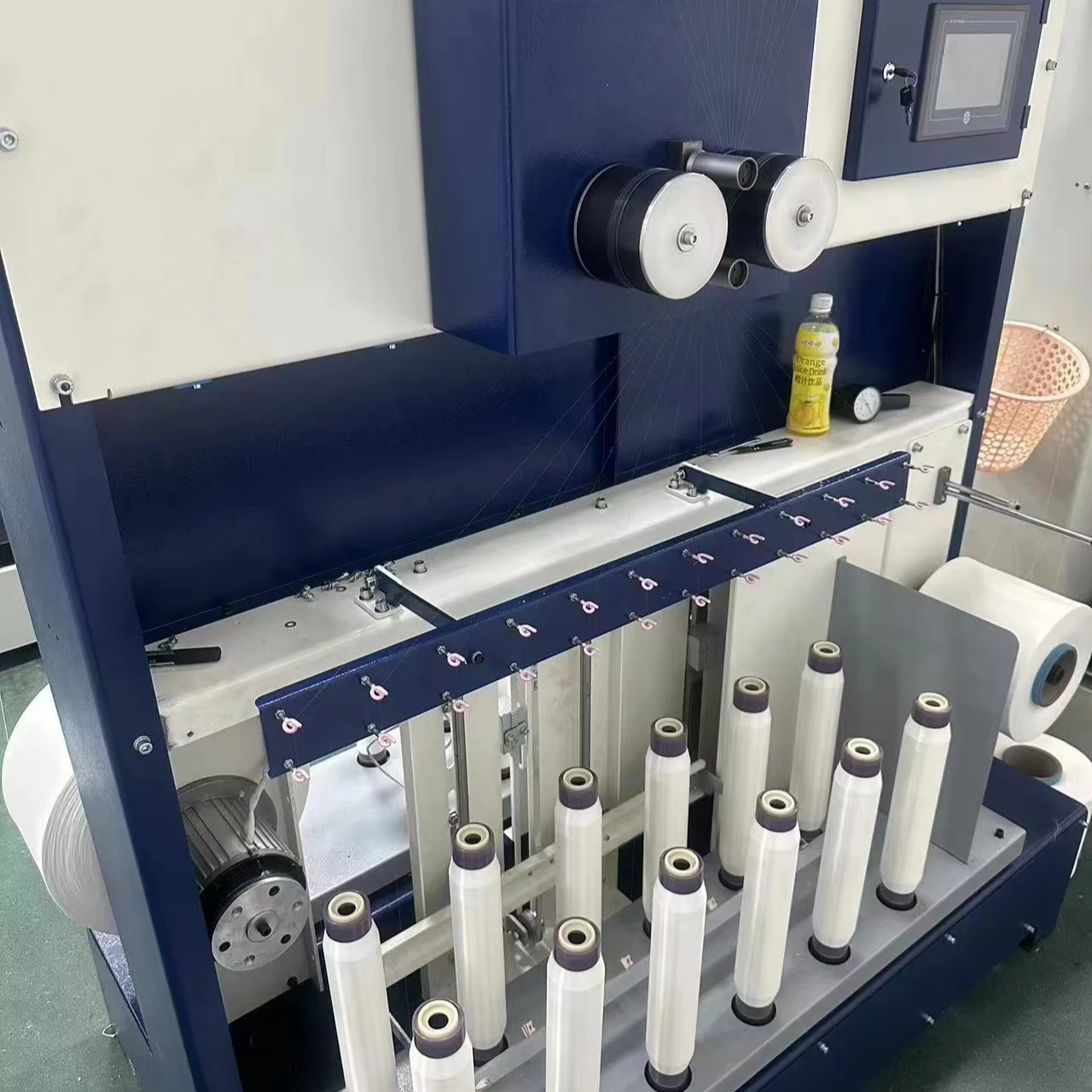
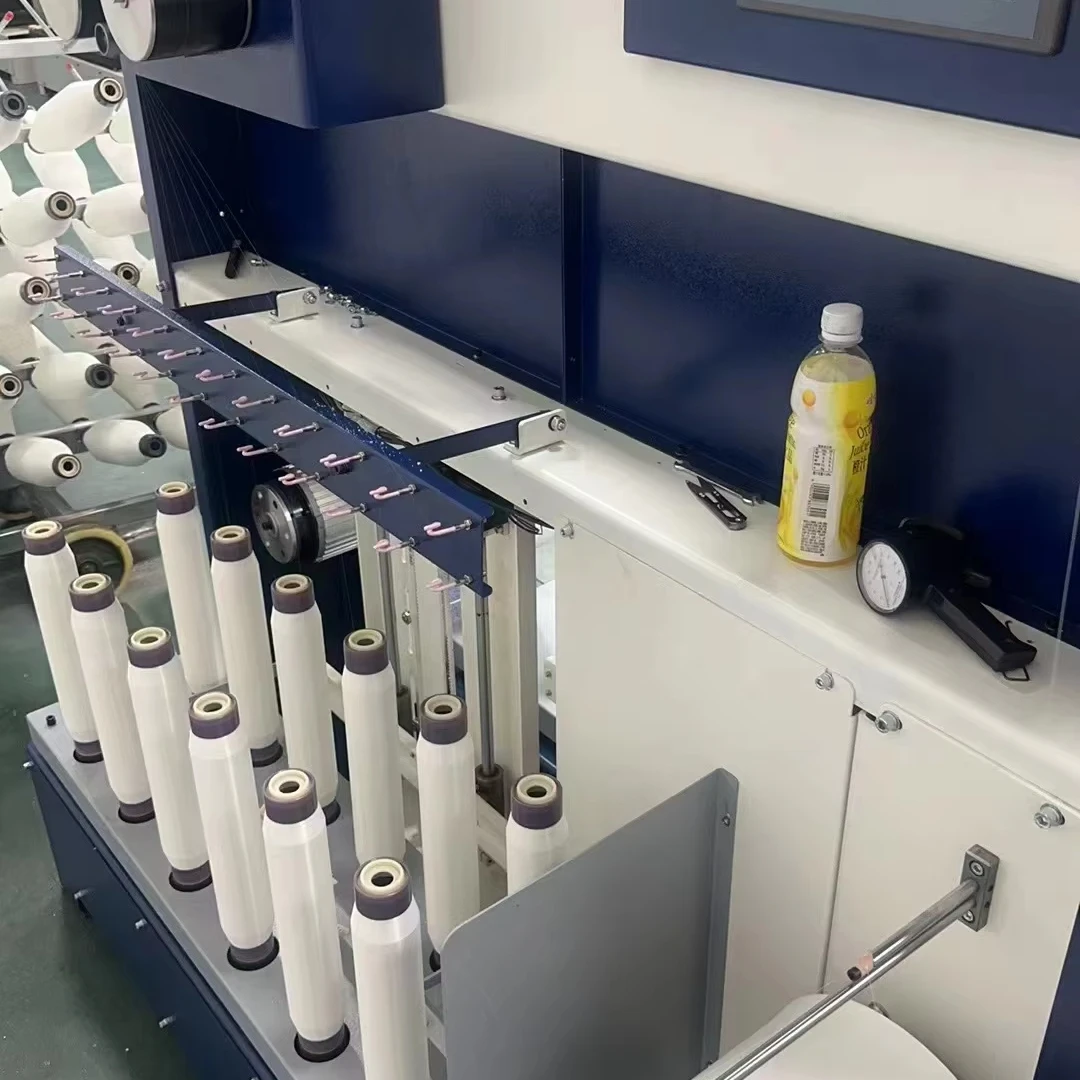
Polyester twisted yarn is a versatile material extensively used in various applications, from textiles to industrial products. Purchasing managers and product developers often face challenges in selecting the right type of yarn for specific projects, ensuring quality and compatibility with production processes. This article aims to guide B2B buyers through the selection, specifications, sourcing, common issues, and installation of polyester twisted yarn, enhancing their decision-making process.
When selecting polyester twisted yarn, it is crucial to consider the intended application. Different projects may require varying thicknesses, strengths, and finishes. For instance, if the yarn is being used for upholstery, durability and abrasion resistance are essential. Conversely, for lightweight garments, a finer yarn may be more appropriate.
Buyers should also evaluate factors such as twist rate, which affects the yarn's elasticity and strength. A higher twist rate typically enhances the yarn's durability, making it suitable for heavy-duty applications. Additionally, consider the colorfastness and resistance to environmental factors, particularly if the yarn will be exposed to moisture or UV light. Confirming these specifications with your supplier will ensure that you select a polyester twisted yarn that meets your project needs.
Several key specifications define the quality of profixM polyester twisted yarn. These include:
Denier: This measures the yarn's thickness; lower denier indicates finer yarn, while higher denier denotes thicker yarn. Choosing the correct denier is essential for achieving desired aesthetics and performance.
Twist per Meter: This specification indicates the number of twists in the yarn and affects its strength and flexibility. Higher twist rates generally lead to stronger yarn, suitable for demanding applications.
Breaking Strength: This measures the force required to break the yarn and is critical for applications where tensile strength is paramount.
Elongation: This indicates how much the yarn can stretch before breaking. A higher elongation percentage can be beneficial in applications requiring flexibility.
Color Fastness: This evaluates how well the polyester monofilament yarn retains its color when exposed to washing, light, or other environmental factors, crucial for maintaining product appearance.
Buyers should ensure that these specifications are aligned with their performance requirements and application conditions.
Finding a trustworthy supplier of polyester twisted yarn is essential for ensuring consistent quality and reliability. Start by researching manufacturers with a strong track record in the textile industry. Look for companies that provide detailed product specifications, as this indicates transparency and quality assurance.
Consider suppliers that offer samples for testing before placing a bulk order. This allows you to assess the yarn’s performance in real-world applications. Additionally, check for certifications that indicate adherence to industry standards, such as ISO certifications, which can provide peace of mind regarding manufacturing practices.
Engage with suppliers who have a good reputation for customer service and responsiveness. A supplier who is willing to discuss your specific requirements and provide tailored solutions is often a sign of a reliable partner.
While profixM polyester twisted yarn is generally robust, several common issues can arise during production and application:
Inconsistent Quality: Variability in yarn quality can lead to production issues. To mitigate this, always request samples and perform quality checks on incoming materials.
Twist Issues: Insufficient or excessive twist can cause yarn breakage or poor fabric performance. Ensure that the warping machine yarn specifications, particularly twist per meter, are confirmed based on your application needs.
Color Matching: Color discrepancies can occur if different dye lots are used. It is advisable to order sufficient quantities in one batch to avoid mismatches.
Snagging and Pilling: Polyester yarn can be prone to snagging or pilling, especially in high-friction applications. Choose a yarn with a higher twist rate and consider surface treatments that enhance abrasion resistance.
By understanding these common issues and their solutions, buyers can better prepare for potential challenges in their projects.
company was established in year 2013. We've sold over 300 products over the last 11 years, we are the market leader. Our company is a highly-specialized firm that designs, produces, sells split warping sectional split warping machineand yarn. team at our factory is extremely skilled experienced.
factory team has always been customer-centric team, they are well aware that sectional split warping machinerequirements satisfaction are crucial to the success of company. listen closely to the opinions of customers, optimize production and service meet their expectations and needs.
products simple to install, set up high speed sectional split warping machine.
research and development department is the top quality. We've been providing yarn machinery for over 12 years. We upgrade technology constantly. We also have huge 20,000m2 nylon/polyester high speed sectional split warping machinefacility. team is committed supplying machines of the highest quality. Every member of the team extremely dedicated and accountable for their daily task. We are hoping that our technology and dedication will allow you produce more effective work.

SUZHOU Y.S.D TEXTILE COMPANY IA LOCATED IN SUZHOU PINGWANG TOWN, WITH 30000m2 OF MACHINE PRODUCTION WORKSHPOP, ALSO HAVE 20000m2 OF NYON/ POLYESTER PRODUCTION WORKSHOP.
No.12 Nanyue Road Pingwang Town Wujiang Suzhou City Jiangsu Province China.
Copyright © Y.S.D.TEXTILE All Rights Reserved Privacy Policy
 EN
 FR
 DE
 EL
 IT
 JA
 KO
 RO
 RU
 ES
 ID
 UK
 VI
 TH
 TR
 BN
 NE