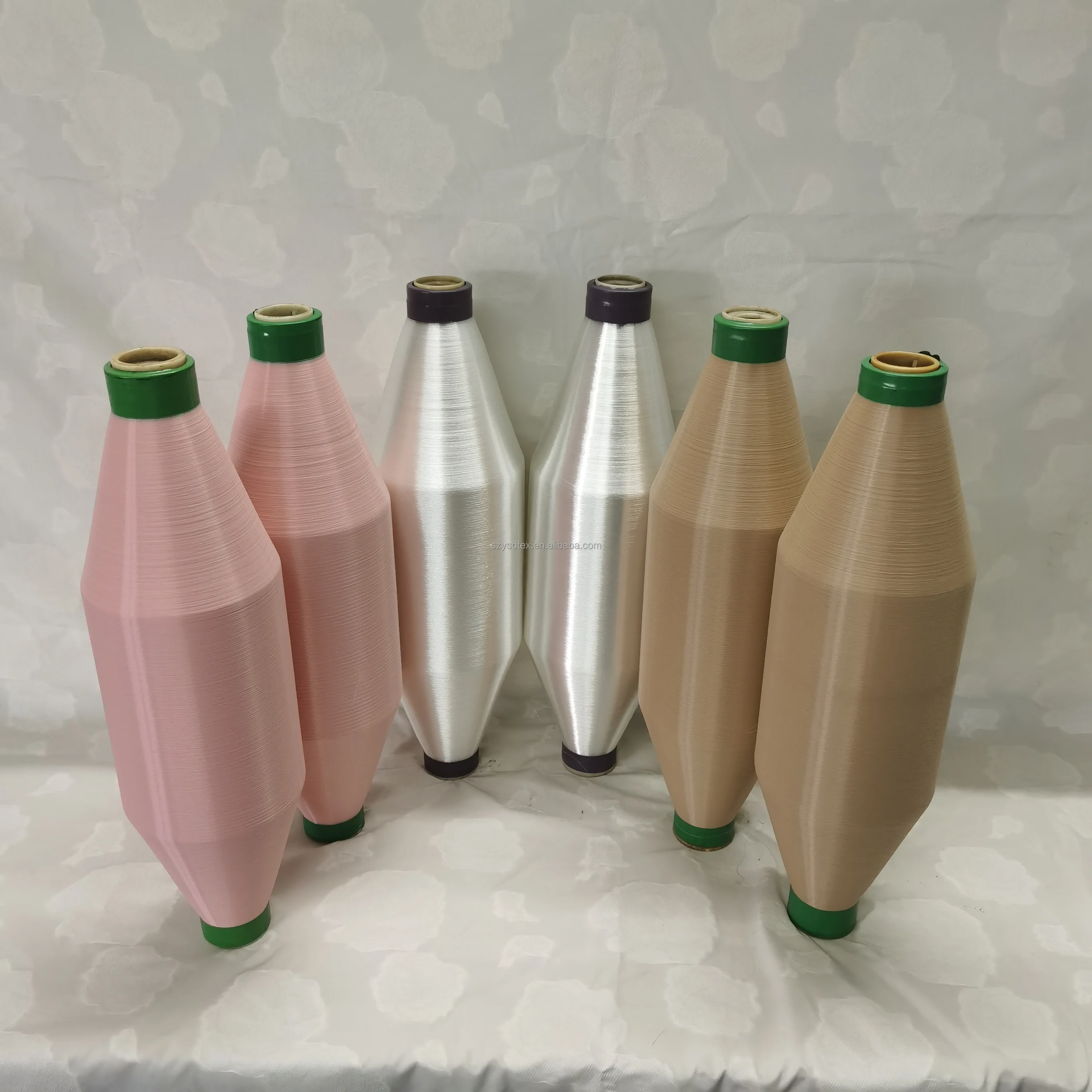
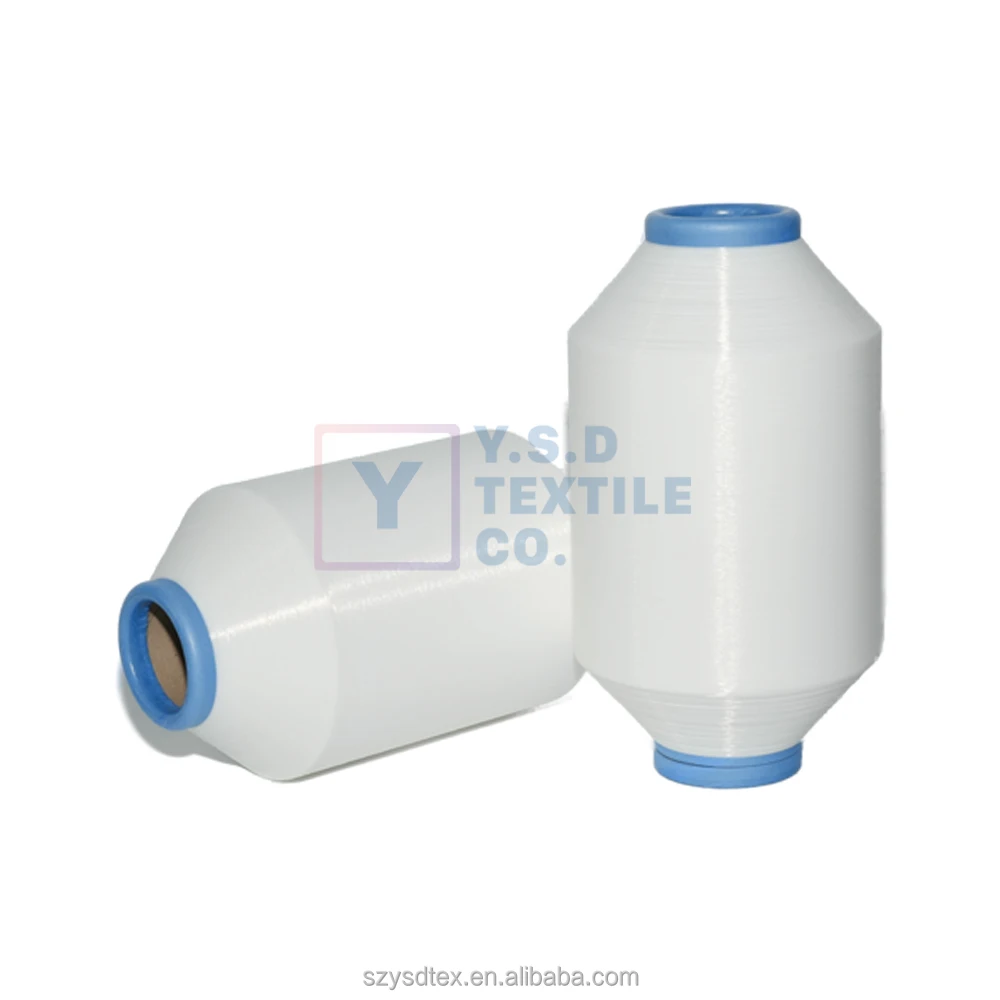
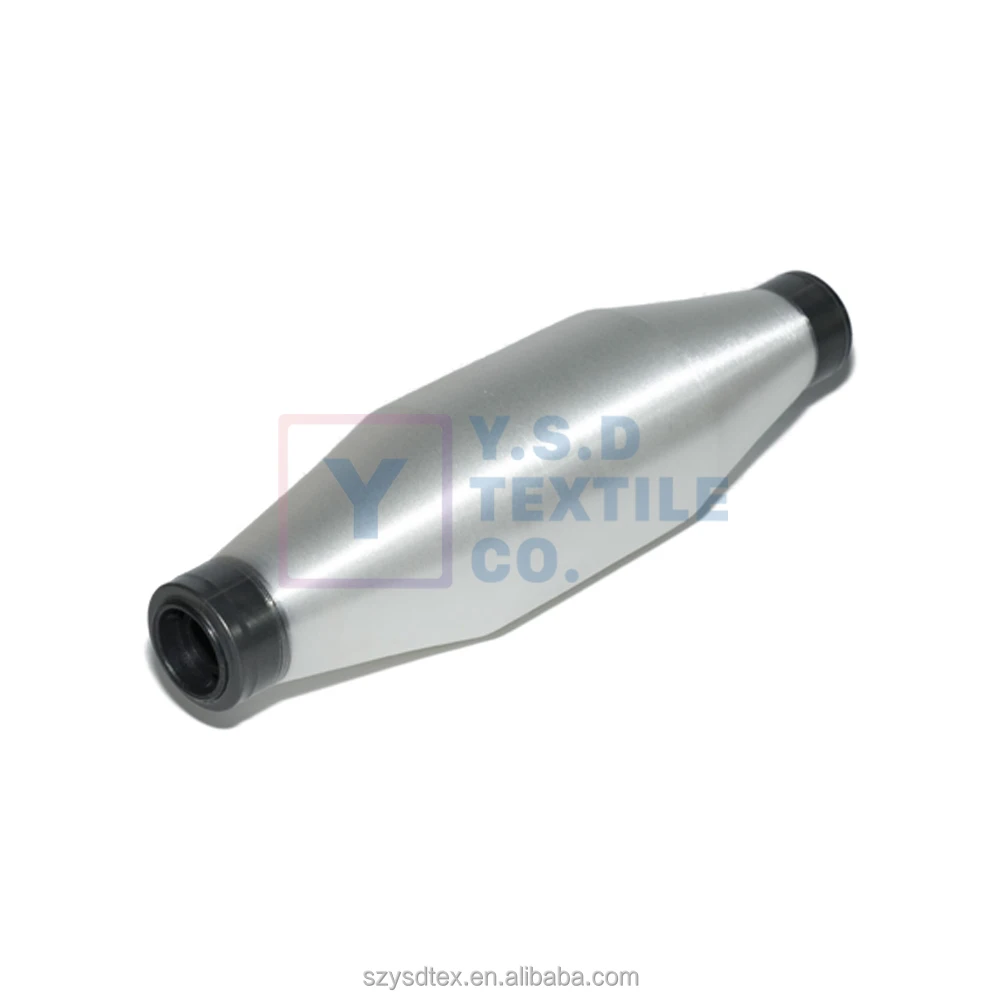
Polyester yarn is a versatile and widely used material in the textile industry, known for its durability, strength, and resistance to shrinking and stretching. For B2B buyers looking for polyester yarn for sale, understanding the specifications and features is essential to ensure that the selected product meets their specific project requirements. This article addresses the main concerns of purchasing managers, engineers, and product managers, providing practical guidance on evaluating polyester yarn specifications, key features for wholesale buyers, installation guidance, common problems, and solutions to streamline the purchasing process.
When assessing polyester yarn, several specifications should be taken into account. Key parameters include yarn type, denier, twist, and tensile strength.
Yarn Type: Polyester yarns can be classified into various types such as filament yarn and spun yarn. Filament yarns are smooth and strong, suitable for applications requiring a sleek finish, while spun yarns provide texture and bulk.
Denier: This measurement indicates the thickness of the yarn. A lower denier means a finer recycled polyester yarn, while a higher denier indicates a thicker, more robust yarn. The choice of denier should align with the intended application, such as lightweight fabrics for garments or heavier yarns for upholstery.
Twist: The twist level of yarn affects its strength and texture. A higher twist generally enhances durability and strength, making it ideal for high-stress applications.
Tensile Strength: This specification measures the yarn's resistance to being pulled apart. A higher tensile strength ensures the yarn will hold up under tension, which is crucial for applications like industrial textiles or outdoor gear.
To ensure the right fit for your project, be sure to request sample yarns to verify that the specifications meet your performance requirements.
When purchasing polyester yarn in bulk, several key features should be prioritized:
Quality Consistency: It's important to evaluate the manufacturer's quality control processes. Consistent quality across batches ensures that the final product performs as expected.
Customization Options: Depending on your project needs, you might require specific colors, finishes, or blends. Confirm that the supplier can accommodate these customization requests.
Production Capacity: Understanding the supplier's production capabilities can help you gauge whether they can meet your order volumes and lead times. Reliable manufacturers should provide clear information on their production capacity and delivery timelines.
Packaging and Shipping: Efficient packaging and shipping processes reduce the risk of damage during transportation. Confirm the packaging methods and the minimum order quantities (MOQ) to ensure they align with your purchasing strategy.
By focusing on these features, wholesale buyers can make informed decisions that align with their operational needs and budget.
Proper installation of polyester yarn in textile applications is vital for achieving optimal performance. Here are some key considerations:
Machine Compatibility: Ensure that the selected yarn is compatible with your existing textile machinery. For example, yarns with higher denier may require different settings on weaving or knitting machines compared to finer yarns.
Tension Settings: Adjusting tension settings according to the dyed polyester yarn specifications is crucial. Improper tension can lead to issues such as breakage or uneven fabric quality.
Testing and Sampling: Before large-scale production, conduct tests with samples of the yarn to confirm that it meets the expected performance under actual operating conditions. This includes checking for issues such as dye uptake and fabric drape.
Taking these steps can help prevent common pitfalls during installation, ensuring a smoother production process.
B2B buyers may encounter various challenges when sourcing polyester yarn. Here are some common problems and their solutions:
Inconsistent Quality: Variability in yarn quality can lead to production delays and product defects. To mitigate this, establish a strong relationship with your supplier and request regular quality audits and sample approvals before bulk orders.
Supply Chain Delays: Global supply chain issues can affect delivery times. To address this, consider placing orders well in advance and maintaining a buffer stock to accommodate unexpected delays.
Performance Issues in Application: If the yarn does not perform as expected in its end application, reassess the specifications. Engage the manufacturer to discuss potential adjustments or alternative products that better suit your needs.
By proactively identifying potential issues and working closely with suppliers, buyers can minimize disruptions in their production processes.
company was established in year 2013. We've sold over 300 products over the last 11 years, we are the market leader. Our company is a highly-specialized firm that designs, produces, sells split warping sectional split warping machineand yarn. team at our factory is extremely skilled experienced.
have been providing yarn and machines more than 12 years. We have -quality research and development department. continuously upgrade our technology. also have a 20,000m2 nylon/polyester production workshop. team is dedicated to supplying machines that of the best quality. Each member of our team is on the job and sectional split warping machinefor all their job. truly hope that our expertise and technology will bring you a greater quality of work.
products simple to install, set up sectional mother yarn warping machine.
factory team is extremely customer-centric recognizes that the success a business is dependent on the needs satisfaction of its customers. They textile machinery spare partslisten the voice of customers and enhance their service production in order satisfy their requirements and expectations.

SUZHOU Y.S.D TEXTILE COMPANY IA LOCATED IN SUZHOU PINGWANG TOWN, WITH 30000m2 OF MACHINE PRODUCTION WORKSHPOP, ALSO HAVE 20000m2 OF NYON/ POLYESTER PRODUCTION WORKSHOP.
No.12 Nanyue Road Pingwang Town Wujiang Suzhou City Jiangsu Province China.
Copyright © Y.S.D.TEXTILE All Rights Reserved Privacy Policy
 EN
 FR
 DE
 EL
 IT
 JA
 KO
 RO
 RU
 ES
 ID
 UK
 VI
 TH
 TR
 BN
 NE