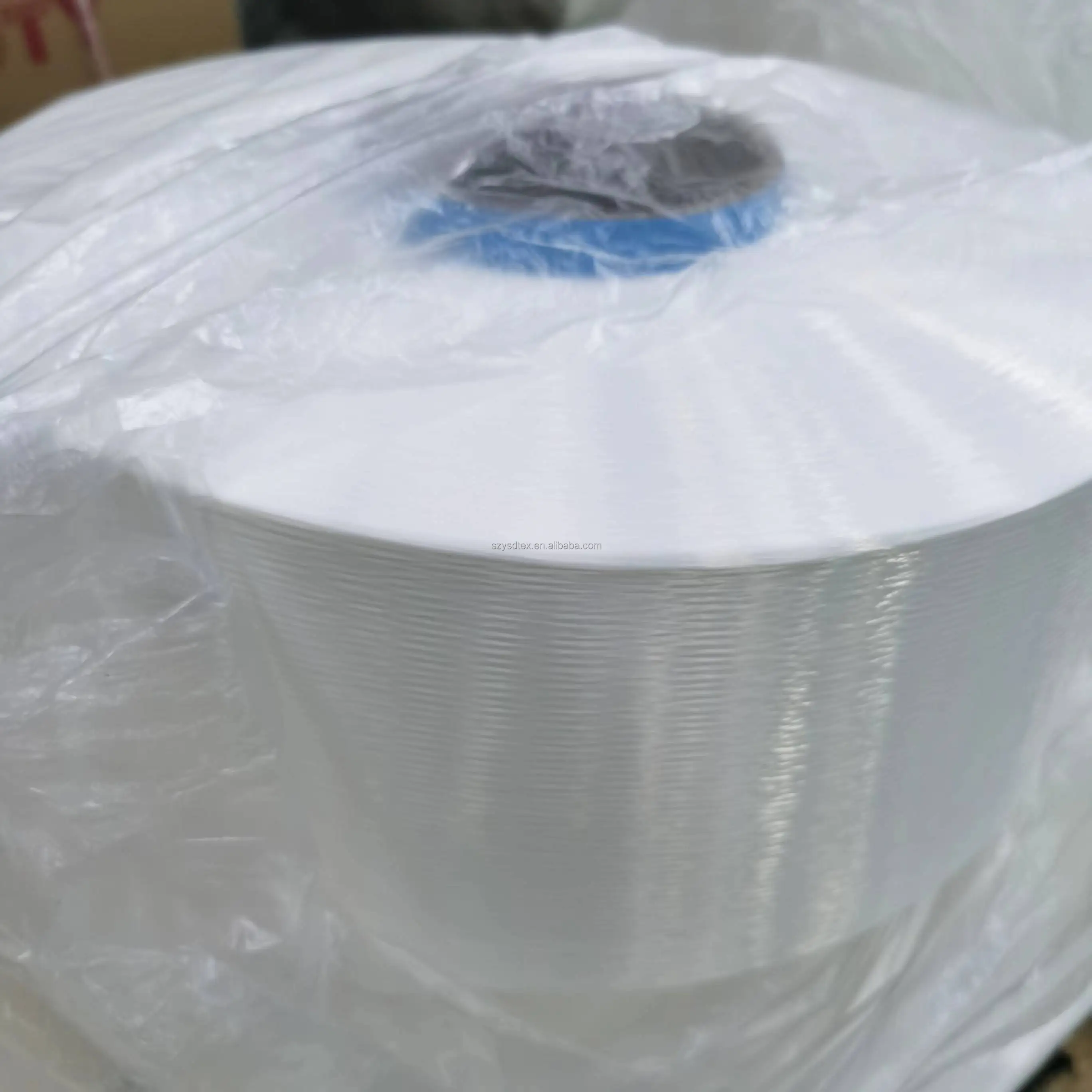
Spun polyester yarn is a versatile and widely used material in the textile industry, known for its strength, durability, and wide range of applications. As a B2B buyer, understanding the specifications and sourcing options for spun polyester yarn is crucial to making informed purchasing decisions. This article provides insights into spun polyester yarn specifications, sourcing strategies, cost considerations, industry applications, and the benefits of this material, helping purchasing managers, distributors, and manufacturers to navigate the market effectively.
When evaluating spun polyester yarn, several key specifications are essential for ensuring the product meets your needs. These specifications typically include denier (the thickness of the yarn), ply (the number of strands twisted together), and tensile strength (the maximum stress the yarn can withstand while being stretched). Denier is particularly important as it dictates the yarn's thickness and weight; for example, a lower denier is suitable for lightweight fabrics, while a higher denier is ideal for heavy-duty applications. Ply influences the yarn's texture and durability; a higher ply count can enhance strength but may also affect the feel of the final fabric. Additionally, tensile strength is critical for applications where the yarn will experience significant tension, such as in upholstery or industrial fabrics. Buyers should also consider color consistency, as polyester textured yarns often come in a variety of shades. Ensuring that color lots are consistent across orders is vital for maintaining the quality of the final product.
Sourcing high-quality spun polyester yarn in bulk involves identifying reputable suppliers who can consistently deliver the required specifications. One effective strategy is to work with established manufacturers, such as Suzhou YSD Textile Co., Ltd., which specializes in various textile products, including spun yarns. Buyers should prioritize suppliers with robust quality control processes and a track record of meeting industry standards. It's advisable to request samples before placing bulk orders to assess the quality and performance of the yarn firsthand. When contacting suppliers, provide detailed information about your requirements, including the intended application, required specifications, and estimated order quantities. This will help suppliers to better understand your needs and offer suitable options. Additionally, attending industry trade shows or networking events can be beneficial for meeting potential suppliers and evaluating their offerings more personally.
Several factors influence the cost of spun polyester yarn, and understanding these can help buyers negotiate better deals. First, the denier and ply count directly affect price; higher denier yarns tend to be more expensive due to the material used and the manufacturing processes involved. Another consideration is the volume of the order; many suppliers have minimum order quantities (MOQs), and purchasing in larger quantities often leads to cost savings per unit. Shipping costs can also significantly impact the overall price, particularly for international orders, so it’s wise to account for these expenses when comparing suppliers. Customization requests, such as specific colors or treatments, can lead to additional costs, so it’s important to clarify these aspects during the negotiation process. Finally, buyers should evaluate the supplier’s payment terms and potential discounts for early payment or long-term contracts.
Spun polyester yarn is used in a multitude of applications across various industries. In the apparel sector, it is favored for its strength and ability to retain shape, making it ideal for items such as sportswear and uniforms. The automotive industry also utilizes spun polyester yarn for upholstery, as it withstands wear and tear while providing comfort. In home textiles, spun polyester is commonly found in curtains, bed linens, and upholstery fabrics due to its durability and color fastness. Additionally, the yarn is used in industrial applications, such as in the production of conveyor belts and tarpaulins, where strength and resistance to environmental factors are paramount. When selecting warping machine yarn spun polyester yarn for specific applications, consider the required performance characteristics, including resistance to moisture, UV light, and abrasion. Collaborating with suppliers who understand these requirements can help ensure that the yarn chosen will perform effectively in its intended use.
products simple to install, set up high speed sectional split warping machine.
offer yarn and equipment over 12 Years and have top-quality sectional warping machinedevelopment department. We are constantly upgrading technology. We also have a 20,000m2 nylon/polyester production facility. Our team is dedicated to providing machines of the highest quality. Every employee accountable for their own work. We truly hope that our technology efforts will yield better works.
manufacturing team has always been customer-focused, they know that customer demands high speed sectional split warping machineare essential for the success of the company. actively listen to the opinions customers, and optimise production service to meet their expectations requirements.
company was founded in year 2013. In the last eleven years, have sold over 300 sets of products and Direct warping machinethe leader in sales to day. Our company a specialist business that develops, manufactures, sells split warping equipment and yarn. team at our factory is skilled and knowledgeable.

SUZHOU Y.S.D TEXTILE COMPANY IA LOCATED IN SUZHOU PINGWANG TOWN, WITH 30000m2 OF MACHINE PRODUCTION WORKSHPOP, ALSO HAVE 20000m2 OF NYON/ POLYESTER PRODUCTION WORKSHOP.
No.12 Nanyue Road Pingwang Town Wujiang Suzhou City Jiangsu Province China.
Copyright © Y.S.D.TEXTILE All Rights Reserved Privacy Policy
 EN
 FR
 DE
 EL
 IT
 JA
 KO
 RO
 RU
 ES
 ID
 UK
 VI
 TH
 TR
 BN
 NE