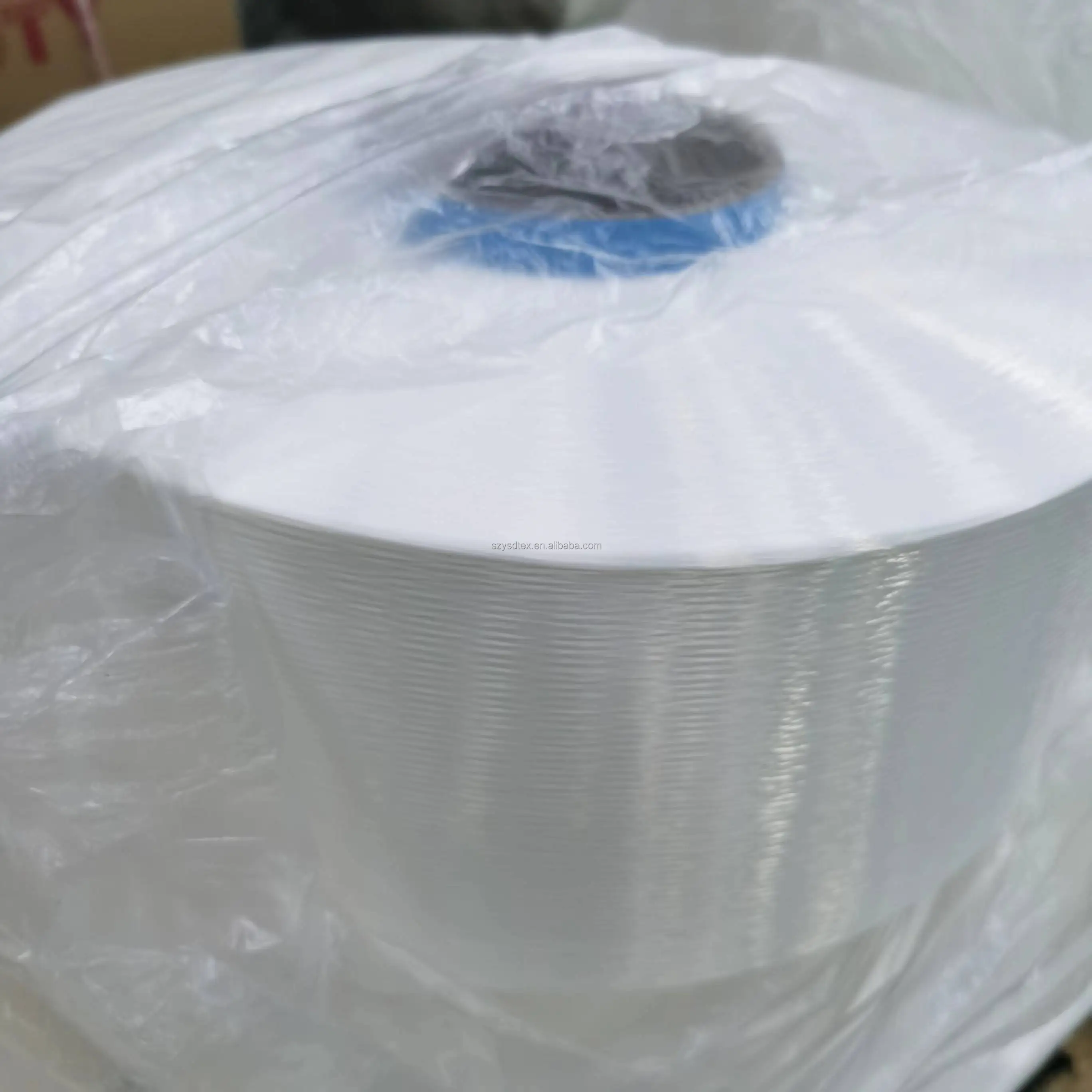
Thin monofilament is a specialized type of yarn that plays a significant role in various industrial applications, including textiles, fishing lines, and medical devices. For B2B buyers, understanding the specifications, sourcing strategies, cost factors, installation procedures, and potential issues associated with thin monofilament is crucial. This article aims to provide practical insights to help purchasing managers, engineers, and product managers make informed decisions when sourcing thin monofilament for their projects
When sourcing thin nylon monofilament, it is essential to consider key specifications that will affect its performance and suitability for your application. These specifications typically include
Material Composition: Thin monofilament is commonly made from nylon or polyester, each offering distinct advantages. Nylon provides excellent tensile strength and flexibility, making it ideal for applications requiring durability, while polyester offers resistance to UV light and chemicals
Diameter and Thickness: The diameter of the monofilament can significantly impact its strength and flexibility. Common diameters can range from 0.1mm to 1.0mm, and the choice depends on the intended application. For instance, a thinner strand may be preferred for delicate applications, while thicker strands offer better strength for load-bearing tasks
Tensile Strength: This metric indicates how much force the monofilament can withstand before breaking. It is crucial to select a tensile strength that aligns with the requirements of your application, especially in high-stress environments
Surface Finish: The surface characteristics of the monofilament can affect its handling and performance. Smooth finishes are ideal for applications requiring low friction, while textured surfaces may enhance grip in specific uses
Color and UV Resistance: Depending on the application, color may also be a consideration, especially in outdoor uses where UV resistance is critical to prevent degradation
Understanding these specifications will help you ensure that the thin monofilament meets your performance requirements and application needs
Finding trustworthy suppliers for thin monofilament requires careful evaluation. Here are some strategies to identify reliable sources
Industry Associations: Joining or consulting industry associations can lead you to reputable suppliers who meet specific standards and have a proven track record in manufacturing thin monofilament
Trade Shows and Expos: Attending industry-specific trade shows is an excellent way to connect with manufacturers and suppliers. You can see product samples, engage with representatives directly, and compare offerings from various companies
Online Marketplaces: B2B platforms such as Alibaba or ThomasNet can be valuable resources for finding suppliers. Ensure you check supplier ratings, reviews, and certifications to verify their credibility
Direct Manufacturer Relationships: Establishing a direct relationship with manufacturers like Suzhou YSD Textile Co., Ltd. can provide benefits such as customized solutions, bulk pricing, and assurance of product quality
Networking: Engaging with industry peers through forums or LinkedIn can provide recommendations and insights into reliable suppliers based on firsthand experiences
By employing these strategies, you can identify suppliers that align with your product needs and quality expectations
The cost of thin monofilament can vary significantly based on several factors. Understanding these cost drivers can help you make informed purchasing decisions
Material Selection: The type of material used (nylon vs. polyester) will influence the price. Nylon tends to be more expensive due to its superior properties, while polyester may offer a more cost-effective solution for certain applications
Diameter and Length: The diameter of the best monofilament and the total length required for your project can impact pricing. Thicker and longer strands generally cost more due to the increased material usage
Customization Requirements: If you require specific colors, coatings, or custom specifications, these factors can add to the overall cost. Always discuss customization options and associated costs with your supplier upfront
Order Quantity: Bulk orders often come with volume discounts. Understanding the minimum order quantity (MOQ) and potential price breaks can help you optimize your budget
Shipping and Handling: Don’t forget to factor in shipping costs, especially if sourcing from international suppliers. These can vary based on distance, shipping method, and the weight of the order
Market Conditions: Fluctuations in raw material prices or changes in demand can also affect pricing. Staying informed about market trends can help you anticipate cost variations
By considering these factors, you can better assess your budget and negotiate effectively with suppliers
The installation of thin monofilament can vary based on its application. Here are general guidelines to ensure proper installation
Preparation: Before installation, ensure that all surfaces are clean and free from contaminants that could affect adhesion or performance
Handling: Thin monofilament can be delicate; handle it with care to avoid kinks or damage. Use appropriate tools to assist in the installation process, such as guides or tensioning devices
Tensioning: Proper tensioning is crucial, especially in applications like fishing lines or weaving. Ensure that the monofilament is neither too tight (which can lead to breakage) nor too loose (which can affect functionality
Sealing and Termination: Depending on the application, you may need to secure the ends of the monofilament to prevent fraying. Use appropriate sealing techniques or termination hardware suited for the specific application
Testing: After installation, conduct a functionality test to ensure that the thin monofilament performs as expected under operational conditions. This step is especially important in critical applications such as medical devices or load-bearing systems
Following these guidelines can help optimize the performance of thin monofilament in your specific application
company was founded in year 2013. Our company sold 300 products over last 11 years, and we are the market leading company. business is a sectional warping machinecompany that is involved in the design, manufacturing, and sales of split warping machine and yarn. team of factory workers has professional skills and experience.
research and development department is the top quality. We've been providing yarn machinery for over 12 years. We upgrade technology constantly. We also have huge 20,000m2 nylon/polyester high speed sectional split warping machinefacility. team is committed supplying machines of the highest quality. Every member of the team extremely dedicated and accountable for their daily task. We are hoping that our technology and dedication will allow you produce more effective work.
products simple to install, set up sectional split mother yarn warping machine.
factory team has been customer- mother yarn warping split, they are well aware that customer needs satisfaction are key to success of the company. They actively listen the voices of their customers, as well as optimize production service satisfy their requirements and expectations.

SUZHOU Y.S.D TEXTILE COMPANY IA LOCATED IN SUZHOU PINGWANG TOWN, WITH 30000m2 OF MACHINE PRODUCTION WORKSHPOP, ALSO HAVE 20000m2 OF NYON/ POLYESTER PRODUCTION WORKSHOP.
No.12 Nanyue Road Pingwang Town Wujiang Suzhou City Jiangsu Province China.
Copyright © Y.S.D.TEXTILE All Rights Reserved Privacy Policy
 EN
 FR
 DE
 EL
 IT
 JA
 KO
 RO
 RU
 ES
 ID
 UK
 VI
 TH
 TR
 BN
 NE