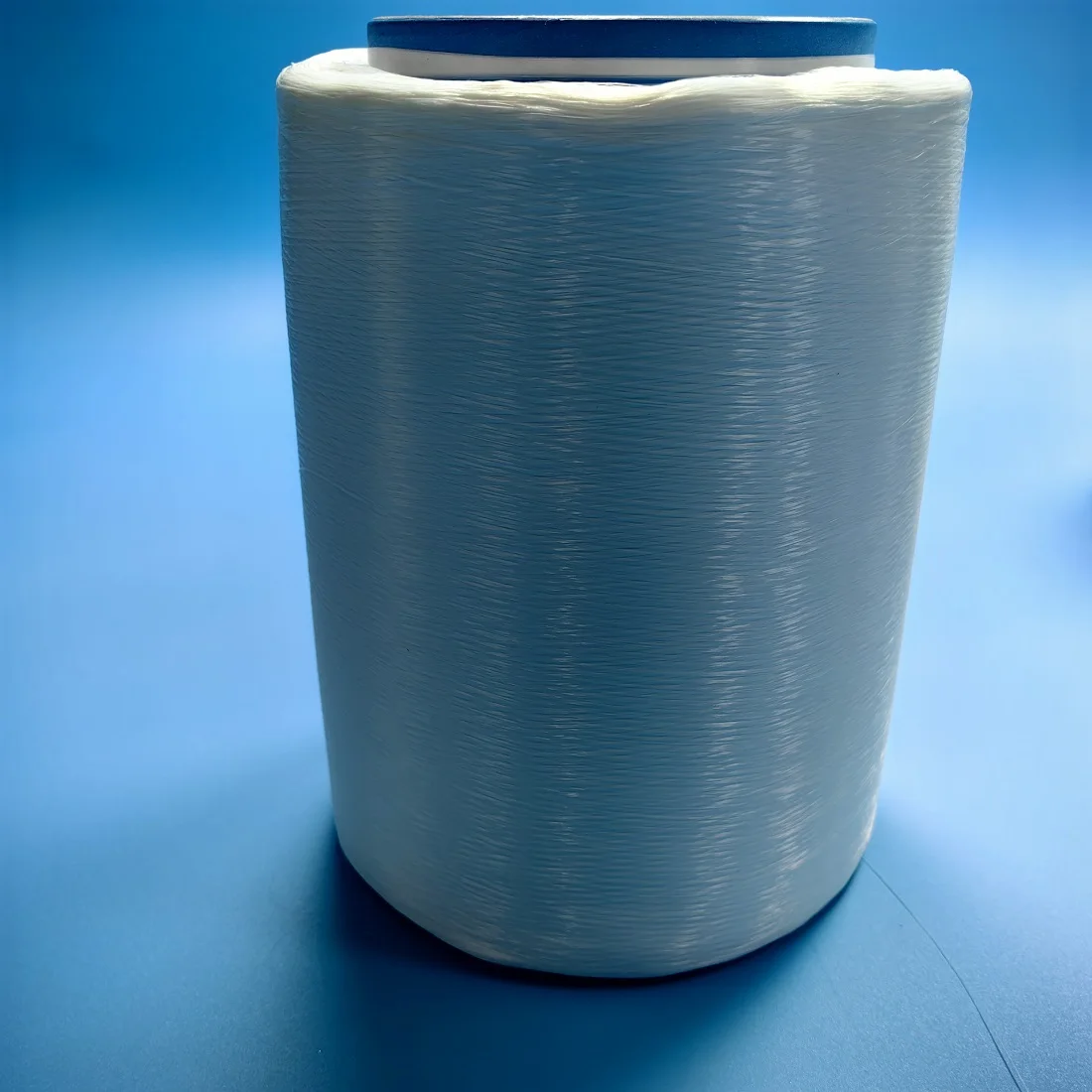
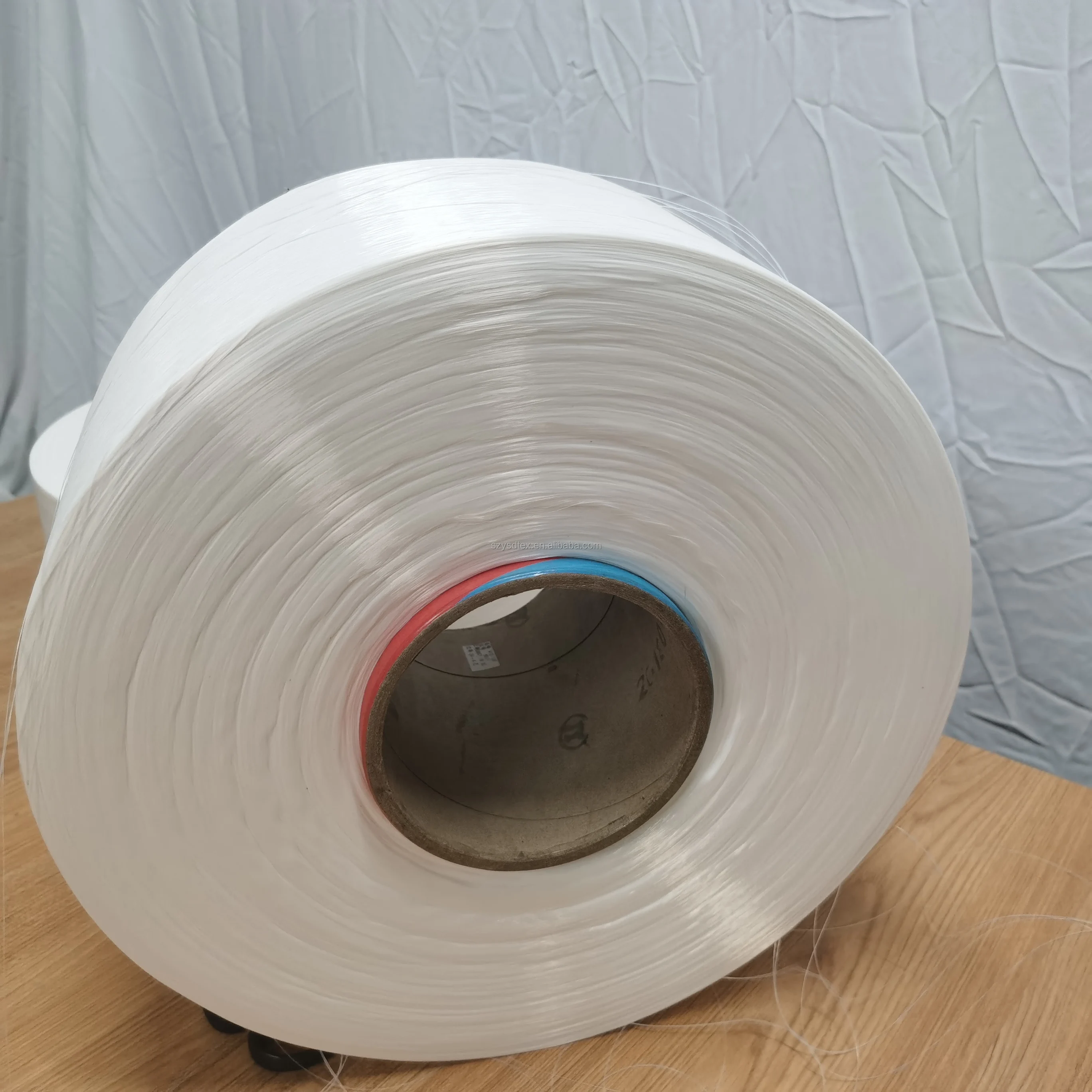
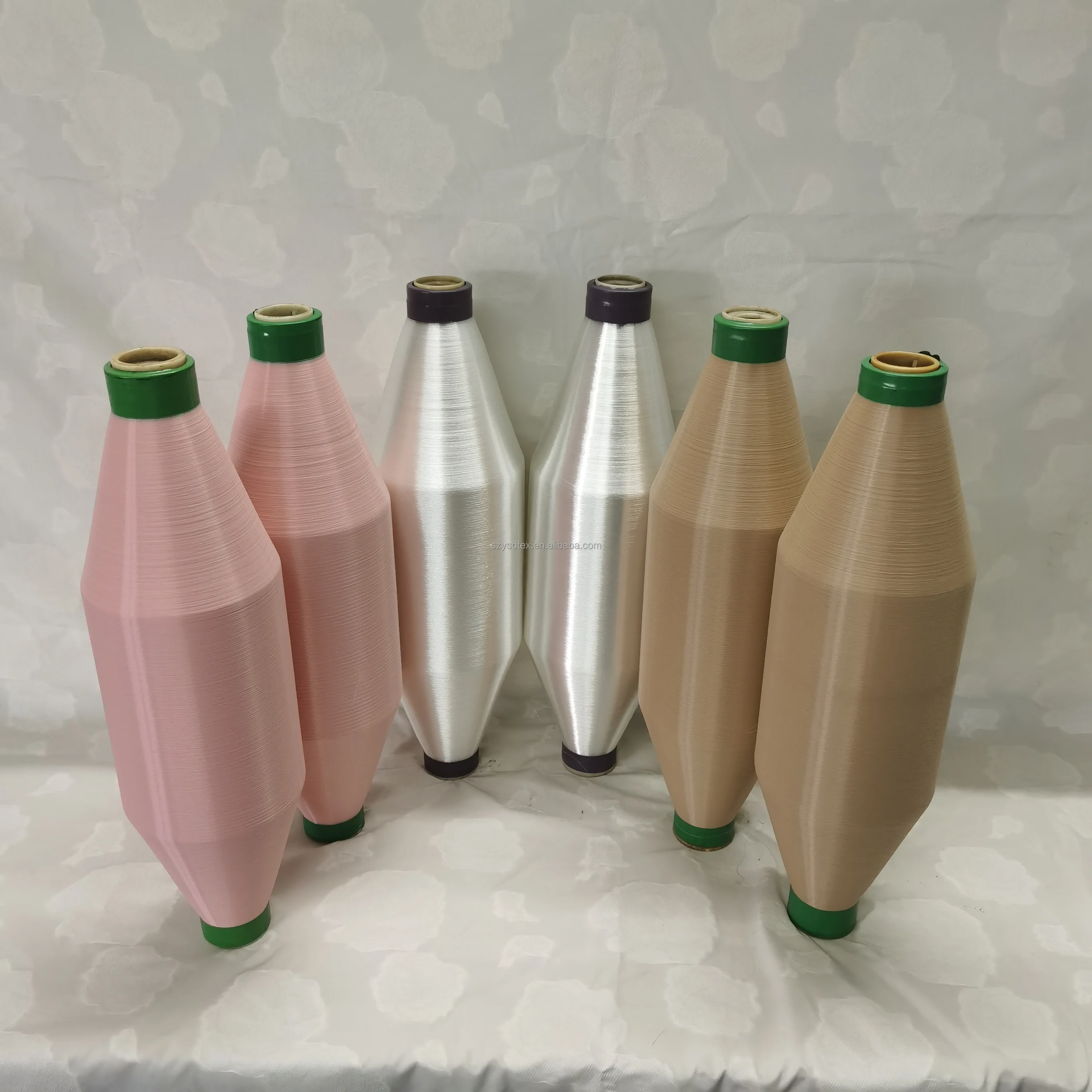
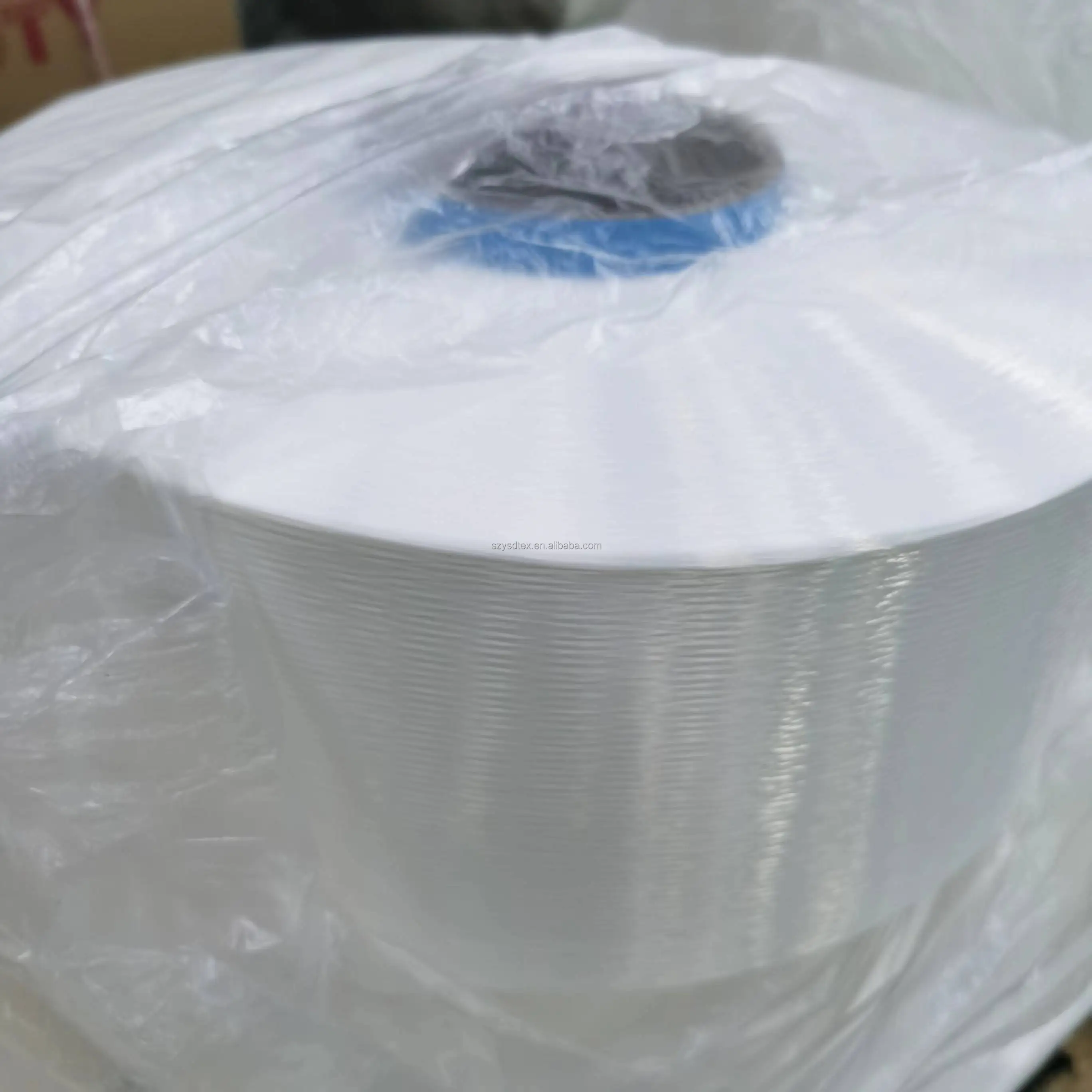
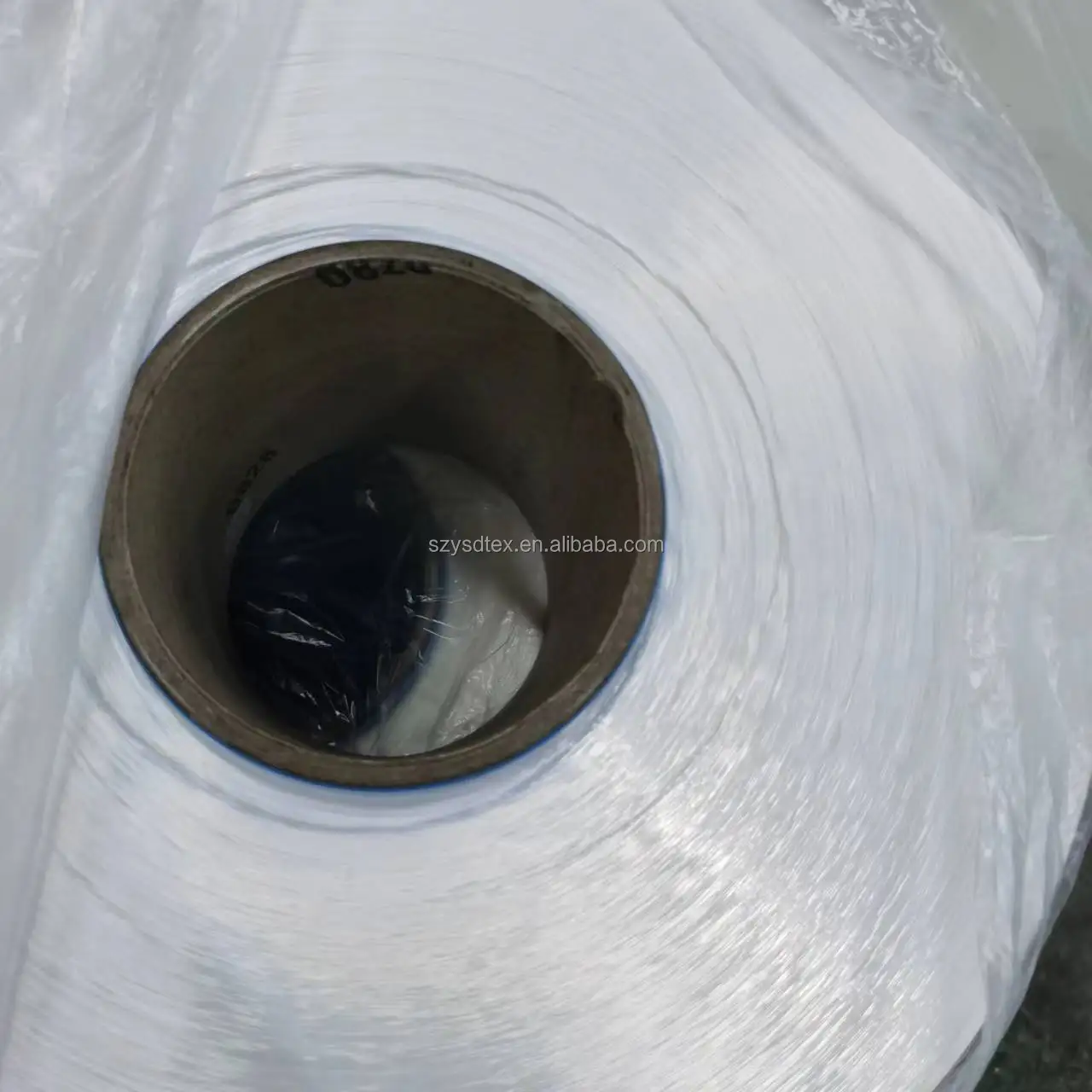
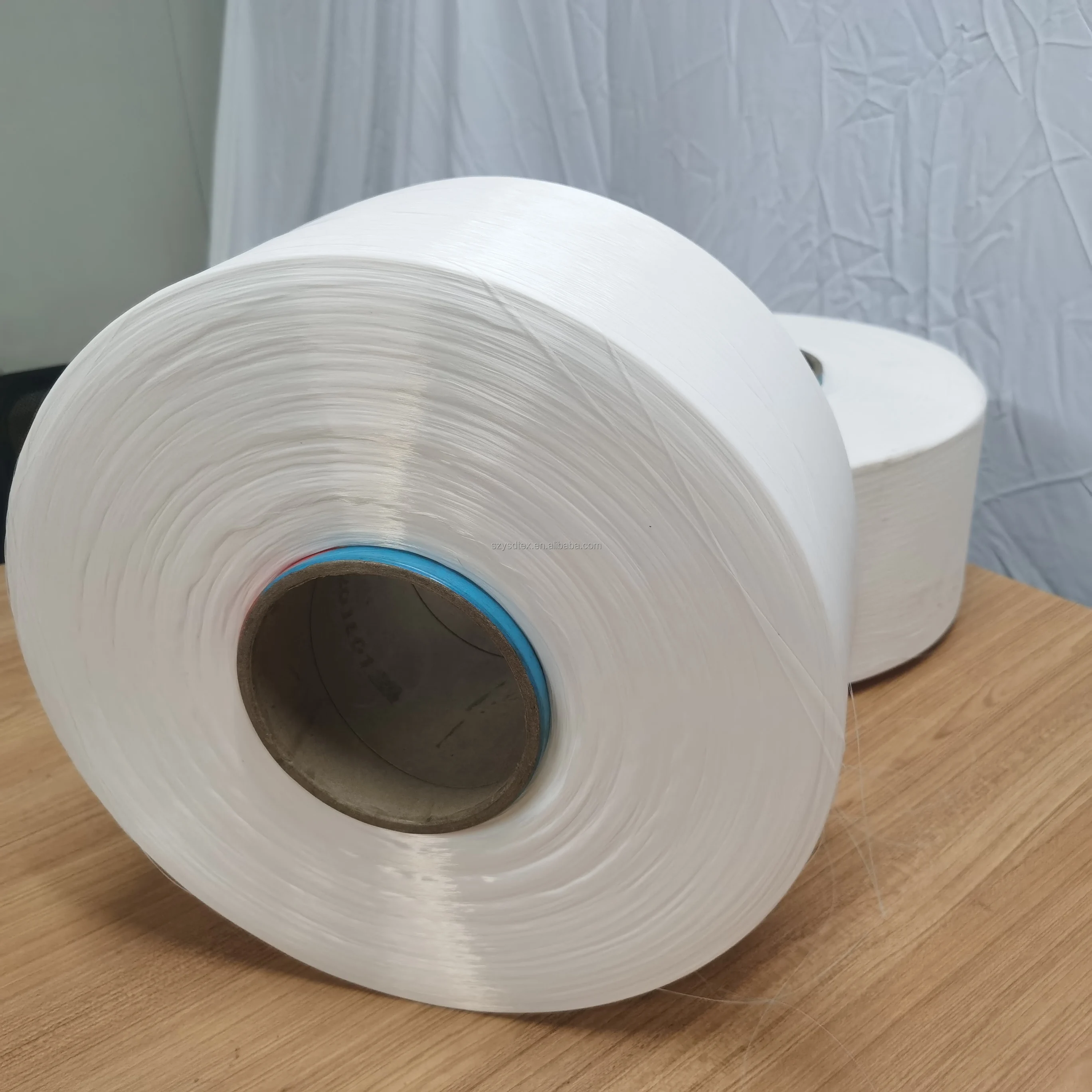
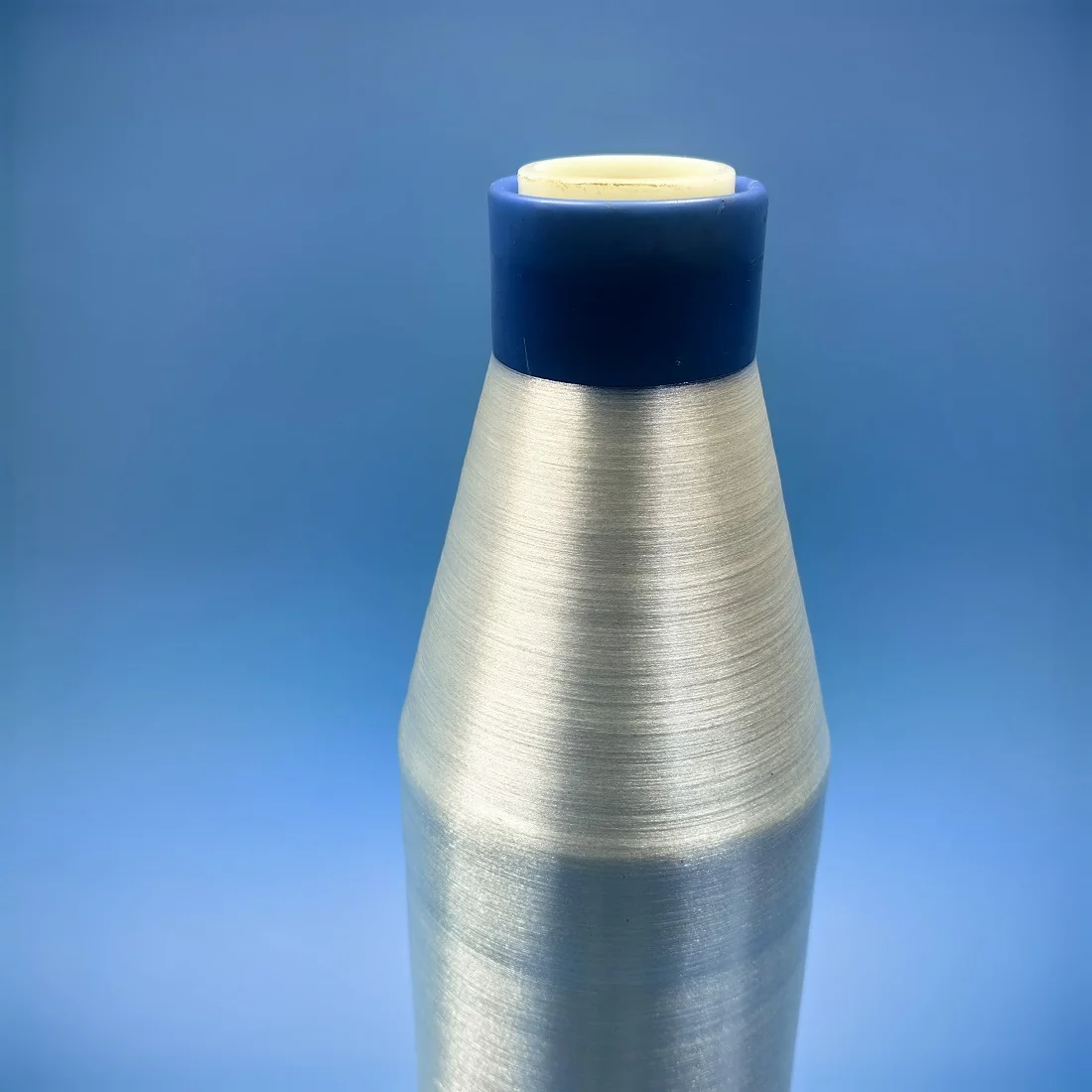
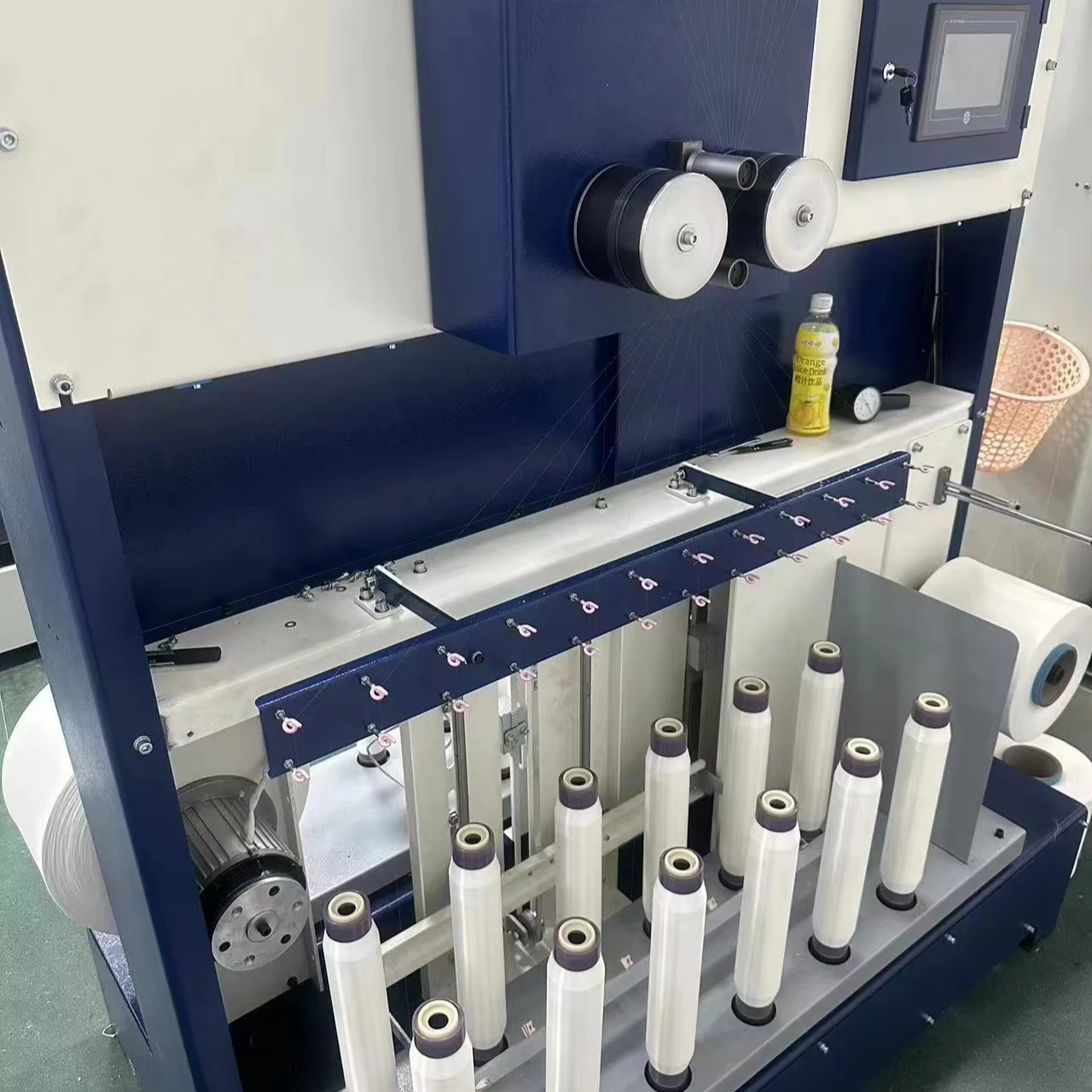
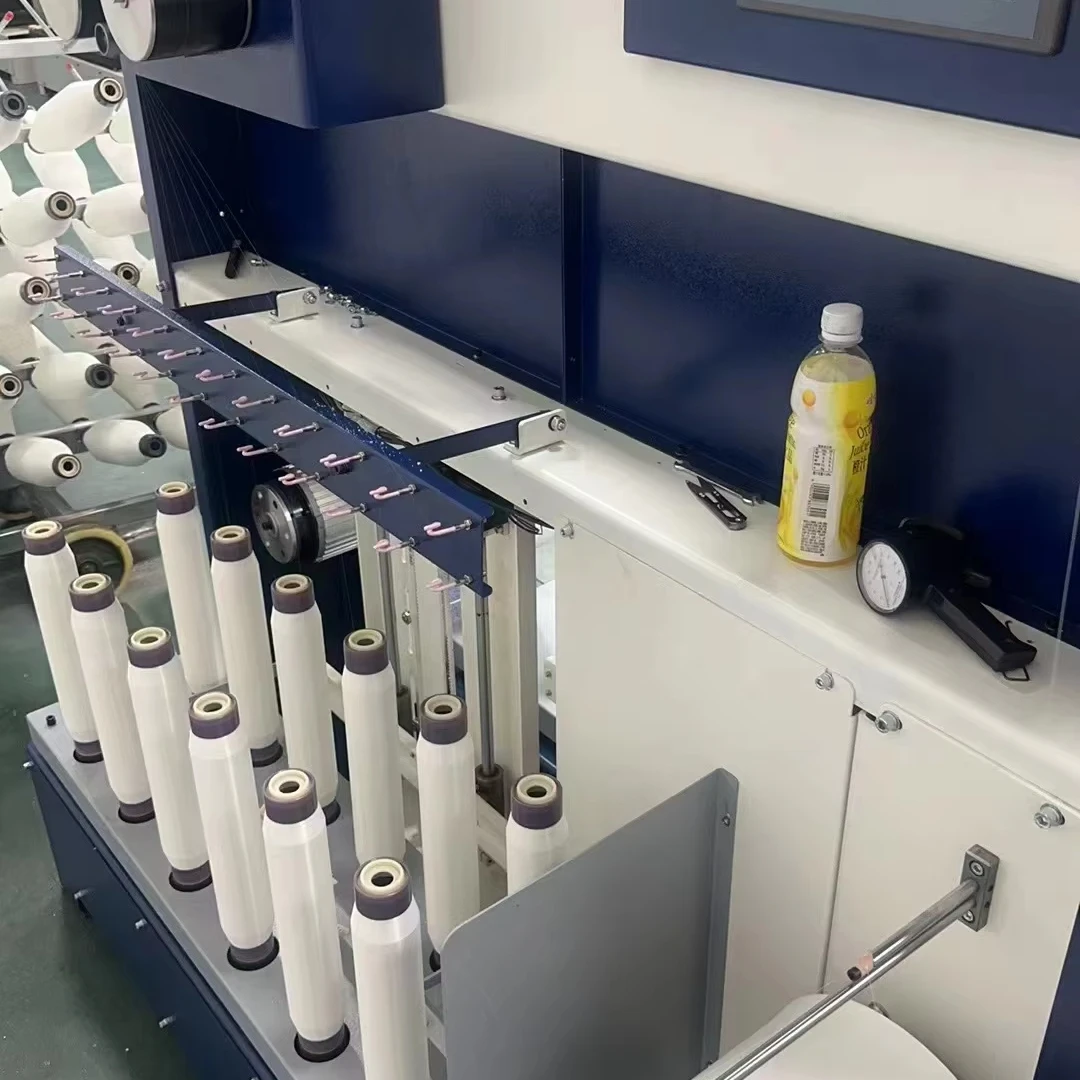
High-speed yarn machines are essential tools in the textile manufacturing industry, specifically designed for the efficient production of various yarn types, including mother yarn and monofilament yarn. For purchasing managers, engineers, and product managers, understanding the nuances of these splitting and warping machine is crucial for making informed decisions. This article will cover key quality control measures, cost considerations, applications, installation guidance, and the advantages of high-speed yarn machines, enabling buyers to navigate their purchasing process with confidence.
Quality control in yarn machine manufacturing is pivotal to ensuring optimal performance and durability. Key measures include rigorous inspections at various stages of production, including raw material checks, in-process inspections, and final testing. Manufacturers should verify that components like gears, motors, and electronic controls meet specifications crucial for high-speed operation.
One effective practice is implementing a standardized testing protocol that evaluates machine performance under simulated operating conditions. This helps identify potential issues that could arise during actual production. Additionally, thorough documentation of quality checks ensures traceability and accountability, which is essential for buyers looking to establish a reliable partnership with their suppliers.
Buyers should also inquire about the manufacturer's certifications, such as ISO standards, which indicate adherence to quality management principles. These certifications not only assure the buyer of the manufacturer’s commitment to quality but also reflect their experience in the field.
When considering bulk purchases of yarn machines, several cost factors come into play. The initial price is often just the tip of the iceberg. Buyers should evaluate total cost of ownership, which includes installation, maintenance, and operational costs. High-speed yarn splitting warping machine, while initially more expensive, can offer savings through increased efficiency and reduced production time.
Customization options may also influence pricing. Machines tailored to specific yarn types or production requirements can incur additional costs but may provide better long-term value. It’s advisable for buyers to request detailed quotations that break down these costs, allowing for a clearer comparison between different suppliers.
Lead times are another critical factor. A longer lead time can affect production schedules, potentially leading to lost sales. Buyers should confirm the expected delivery dates and factor these into their overall cost analysis. Understanding the totality of these costs can significantly impact the decision-making process.
Yarn machines have diverse applications in textile production, making them versatile tools for manufacturers. High-speed mother yarn sectional split warping machines, for instance, are specifically designed for preparing yarn for weaving and knitting processes. These machines efficiently handle a variety of yarn types, including nylon and polyester, which are widely used in the production of textiles.
It's vital for buyers to consider the intended application of the yarn machines when making a purchase. For example, if the production focus is on high-strength fabrics, machines that can accommodate specific yarn tensions and handling characteristics will be essential. Identifying application-specific needs will guide buyers in selecting the appropriate machine to enhance productivity and quality.
Additionally, understanding the compatibility of yarn machines with existing production lines can prevent operational disruptions. Buyers should discuss their current setup with suppliers to ensure seamless integration and optimal performance.
Proper installation of yarn machines is critical for achieving maximum efficiency. Buyers should ensure that their suppliers provide comprehensive installation guidance, which should include detailed layouts, necessary equipment, and specifications for utilities like power and air supply.
It's also beneficial to engage with the manufacturer's technical support team during the installation phase. They can assist in calibrating the mother yarn warping split machine for specific yarn types and production speeds, ensuring that it operates within the desired parameters. This step can significantly reduce the learning curve for operators and minimize potential downtime.
Training for machine operators is another crucial aspect. Manufacturers should offer training sessions to familiarize operators with the machine's features and maintenance requirements, ensuring they can maximize the machine's capabilities. Proper training reduces the likelihood of operator errors, which can lead to production issues or equipment damage.
sectional mother-yarn splitting warping machine sectional split warping machinean same tension beam, with 550m/mins speed on nylon mother yarn.also created the first machine can make polyester dty mother yarn.products simple for installation, simple set up, and easy use and have minimal requirements on workers.
factory team is customer-focused organization and realizes that performance of an organization is dependent on happiness and needs of its customers. They are attentive to the opinionscustomers, optimize production and service satisfy their requirements and expectations.
have been providing yarn and machines more than 12 years. We have -quality research and development department. continuously upgrade our technology. also have a 20,000m2 nylon/polyester production workshop. team is dedicated to supplying machines that of the best quality. Each member of our team is on the job and sectional split warping machinefor all their job. truly hope that our expertise and technology will bring you a greater quality of work.
company was established 2013. In the last 11 years, have sold 300 sets of products and the market leader in sales till today. Our company a specialist firm that designs, produces sells split-warping machines and yarn. sectional mother yarn warping machinestaff has practical skills and knowledge.

SUZHOU Y.S.D TEXTILE COMPANY IA LOCATED IN SUZHOU PINGWANG TOWN, WITH 30000m2 OF MACHINE PRODUCTION WORKSHPOP, ALSO HAVE 20000m2 OF NYON/ POLYESTER PRODUCTION WORKSHOP.
No.12 Nanyue Road Pingwang Town Wujiang Suzhou City Jiangsu Province China.
Copyright © Y.S.D.TEXTILE All Rights Reserved Privacy Policy
 EN
 FR
 DE
 EL
 IT
 JA
 KO
 RO
 RU
 ES
 ID
 UK
 VI
 TH
 TR
 BN
 NE