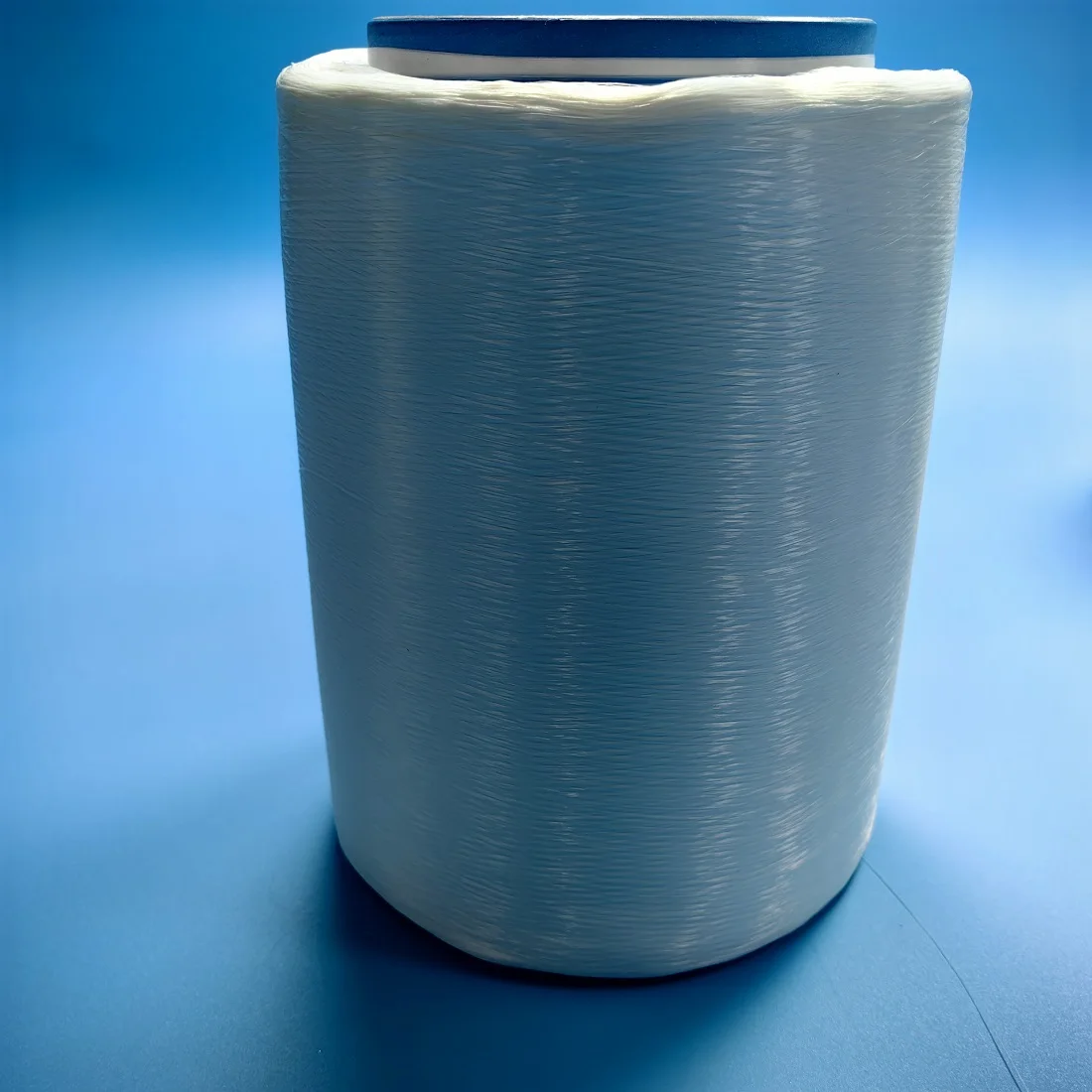
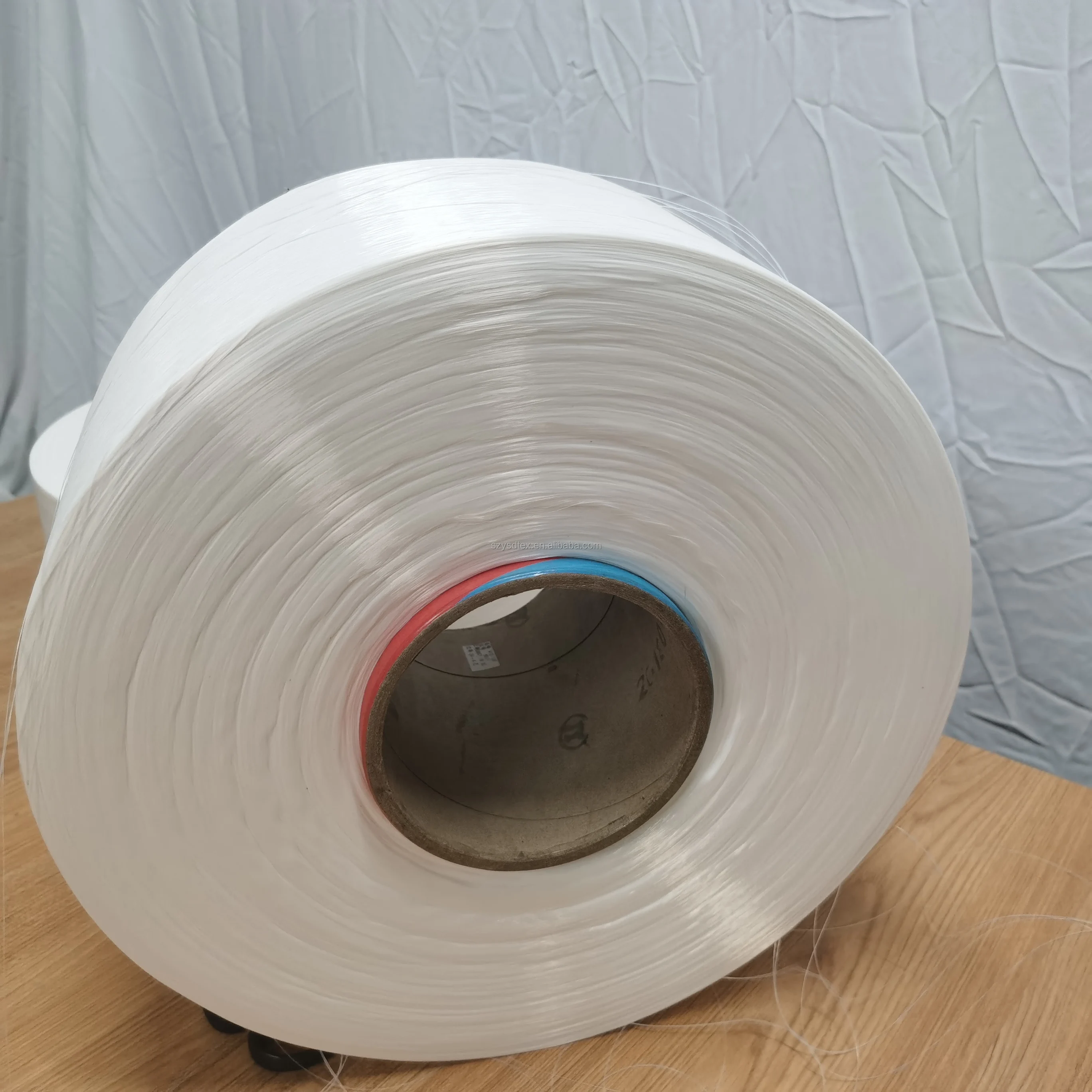
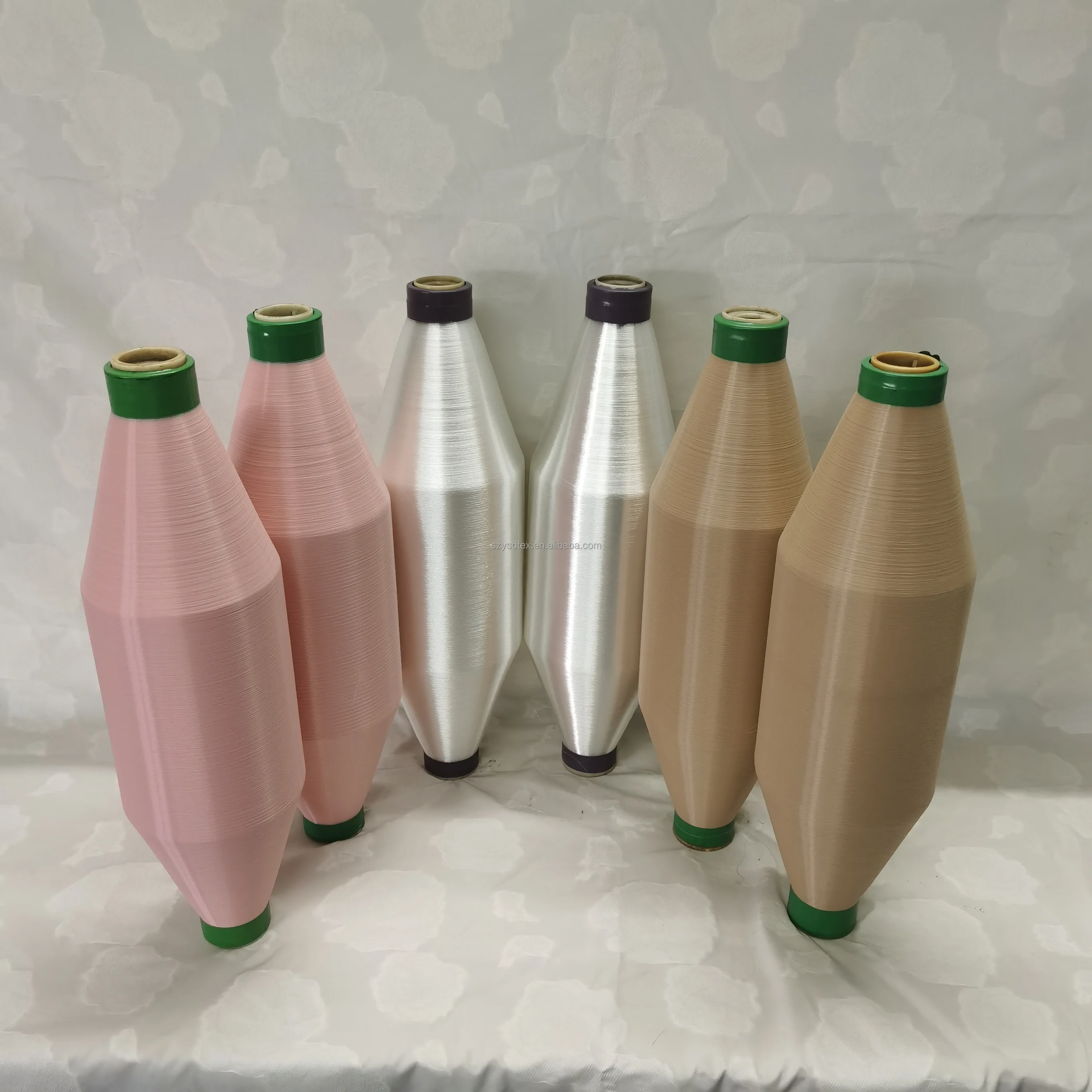
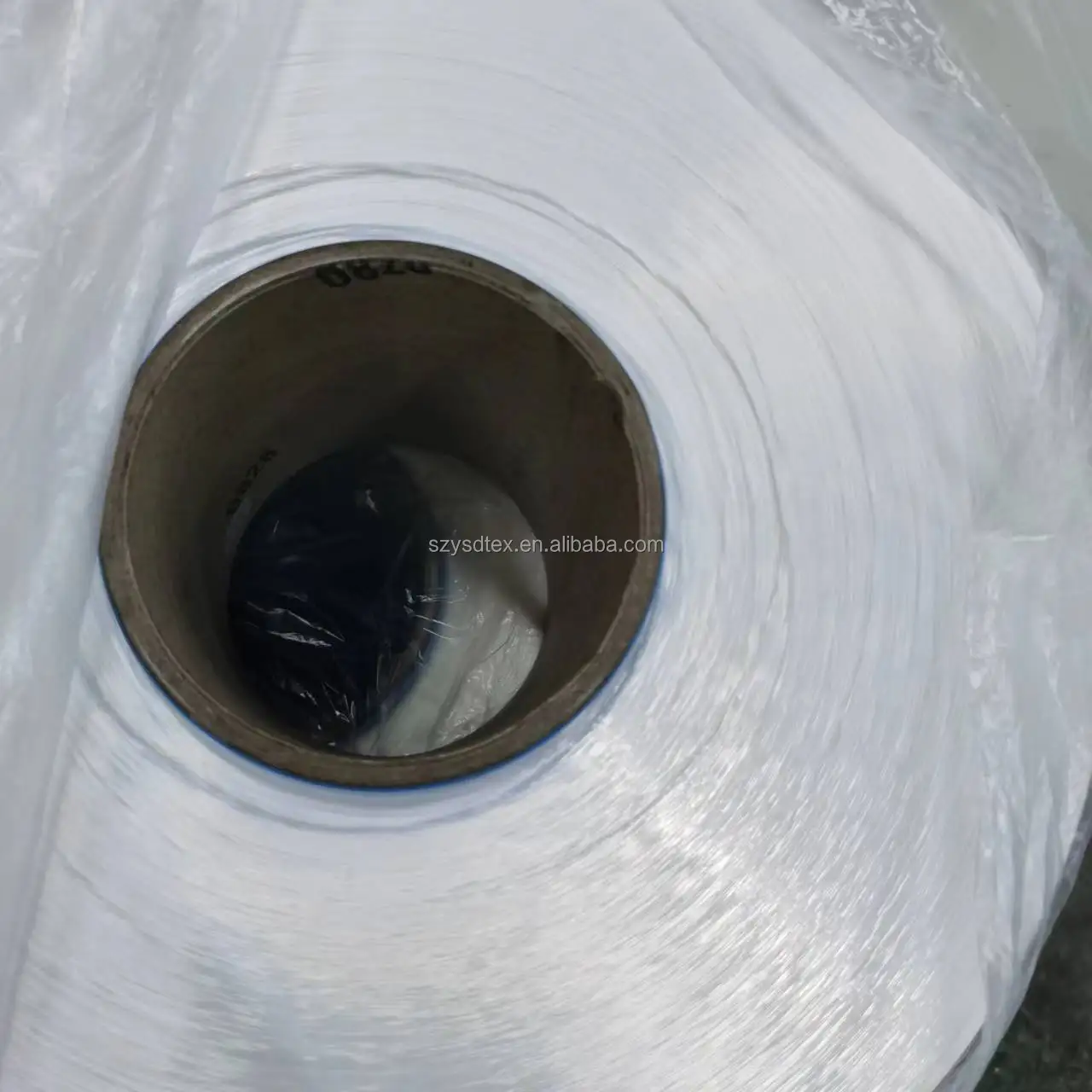
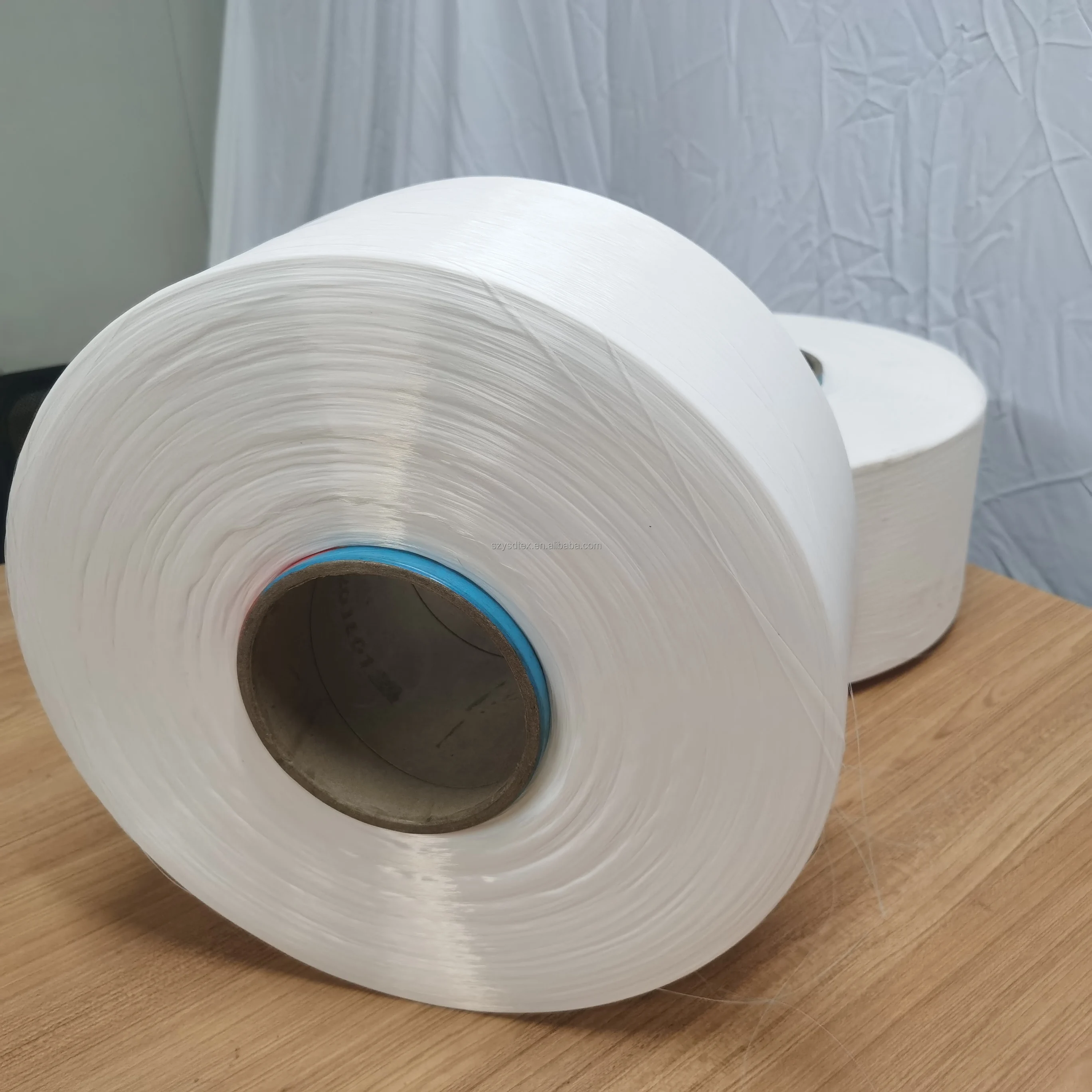
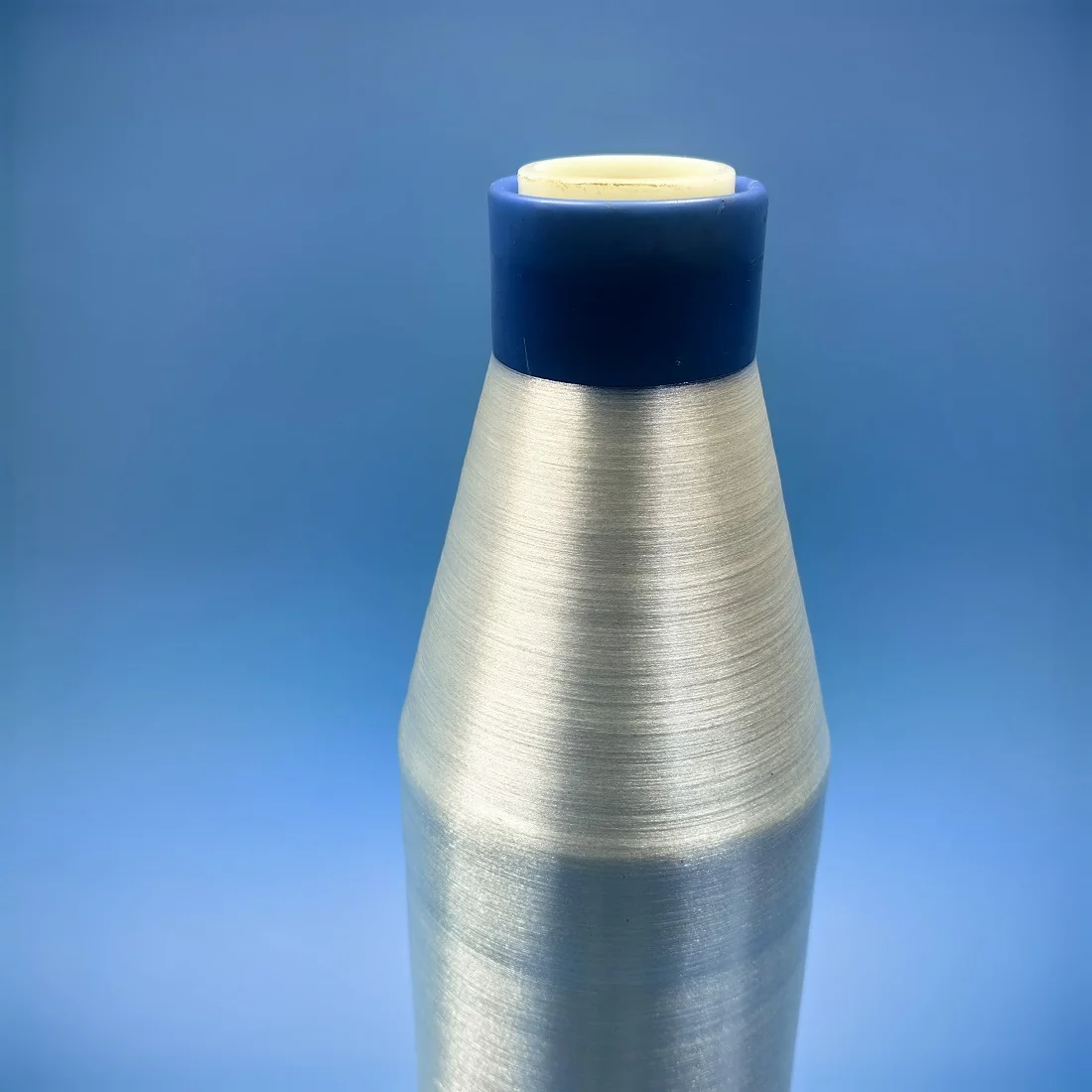
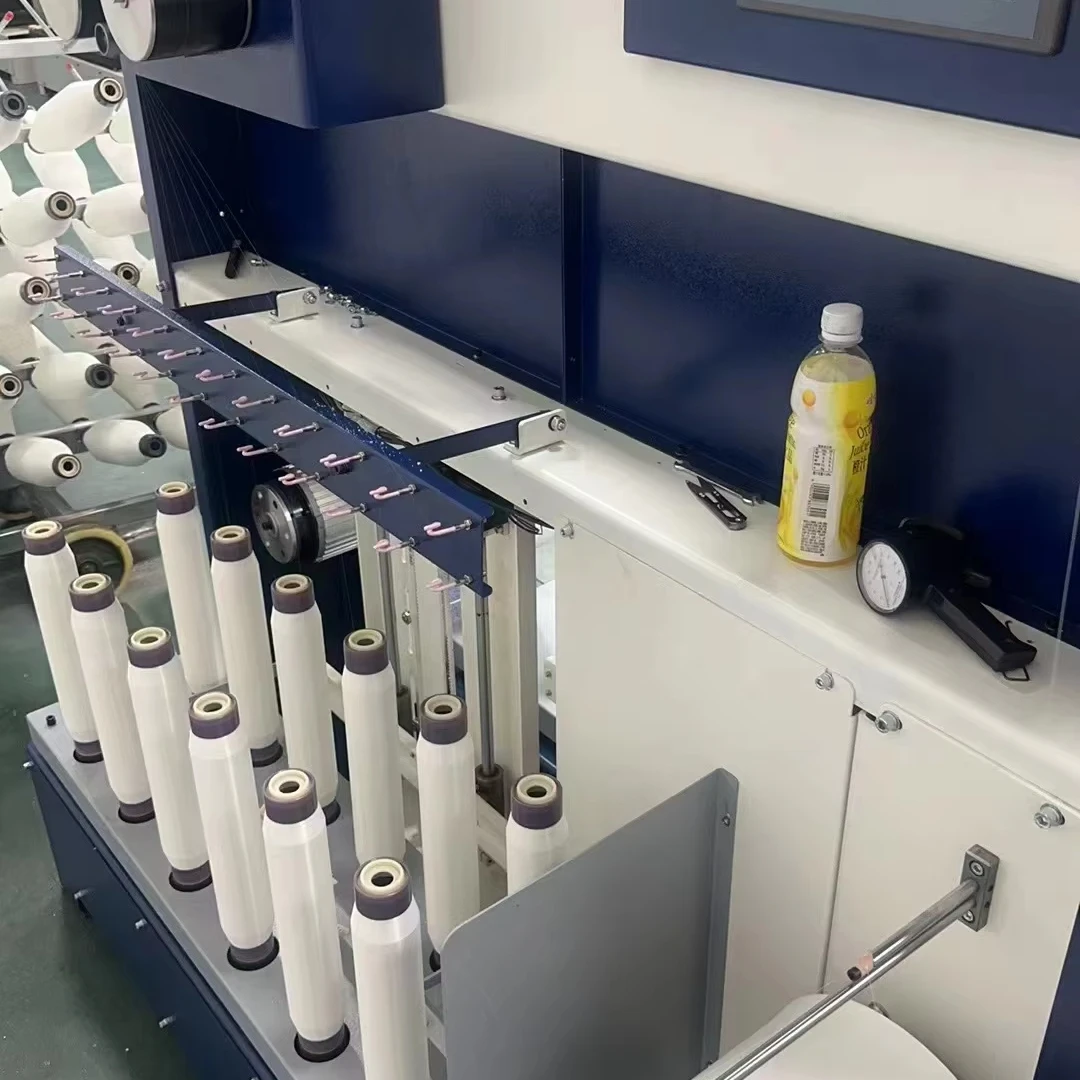
Monofilament yarn is a critical component in various industrial applications, known for its strength, versatility, and unique characteristics. As a B2B buyer, understanding the nuances of monofilament yarn is essential for making informed purchasing decisions. This article will guide you through key considerations when selecting monofilament yarn, evaluating its quality, and understanding its applications, ultimately helping you choose the right products for your projects
Selecting the appropriate monofilament yarn involves evaluating several critical factors. First, consider the application for which the yarn will be used. Different projects may require varying degrees of strength, flexibility, or chemical resistance. For instance, if the yarn is intended for outdoor applications, UV resistance and durability against environmental factors will be paramount
Next, assess the material composition. Monofilament yarn can be made from various materials, including nylon and polyester, each offering distinct performance characteristics. Nylon, for example, provides excellent tensile strength and abrasion resistance, making it suitable for heavy-duty applications, while polyester may be preferred for its resistance to moisture and UV light
Finally, take into account the diameter and gauge of the yarn. These specifications directly influence the yarn's performance in weaving or knitting processes. The right diameter can ensure compatibility with machinery and the desired fabric thickness
Quality evaluation of polyester monofilament yarn should begin with a thorough inspection of the yarn's physical properties. Key specifications include tensile strength, elongation, and uniformity. Buyers should request detailed product data sheets that outline these attributes. For example, high tensile strength is crucial for applications that require durability under stress, while uniformity ensures consistent performance across production runs
Additionally, consider the manufacturer's quality control processes. A reputable supplier, like Suzhou YSD Textile Co., Ltd., should have established procedures for testing yarn quality, including batch sampling and independent lab testing. Certifications related to quality standards can also provide reassurance regarding manufacturing practices
It's equally important to assess the yarn's performance under actual operating conditions. Before committing to a large order, buyers should conduct trials with samples to verify that the yarn meets their specific requirements, including compatibility with existing machinery and satisfactory performance in real-world applications
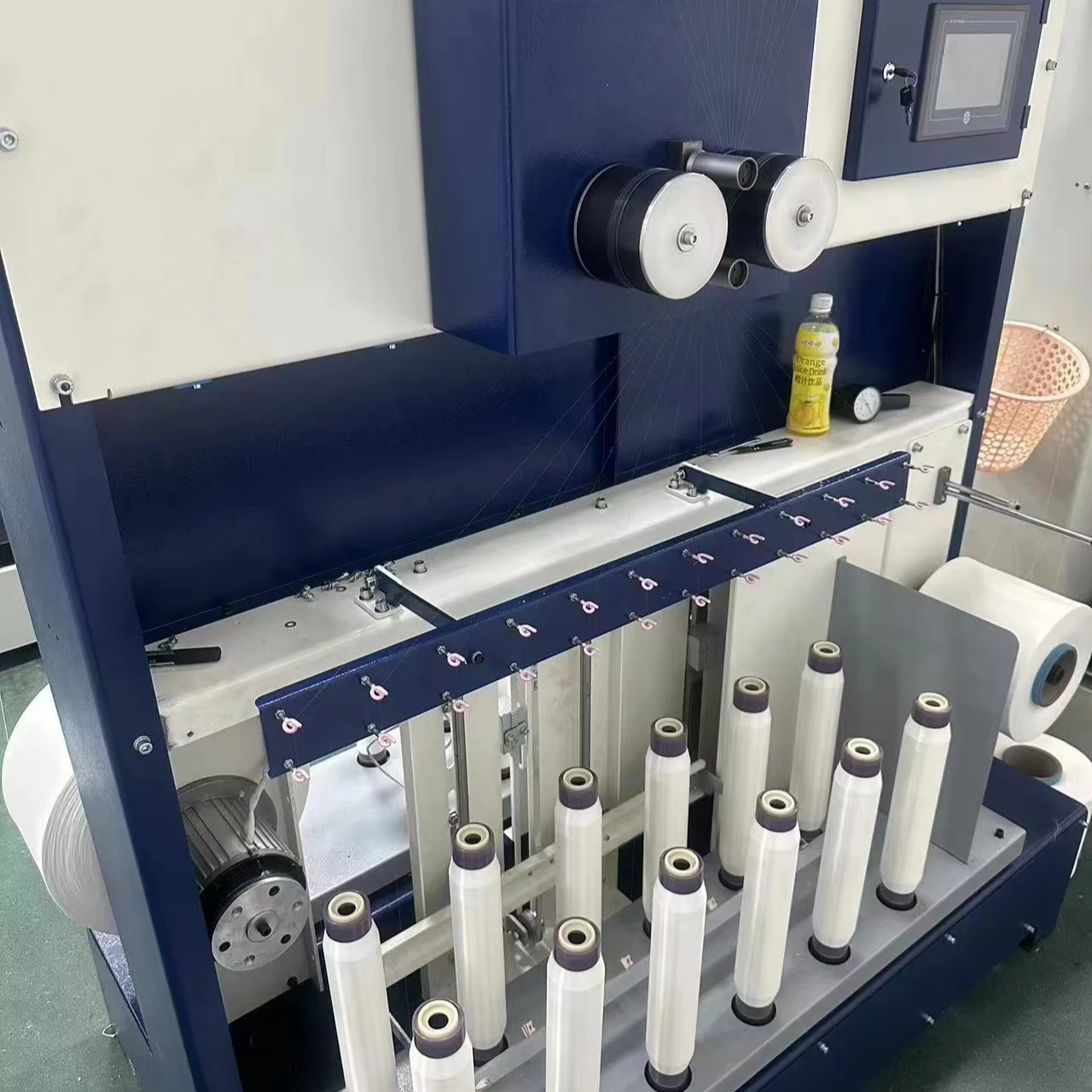
Installing mother yarn sectional split warping machines requires careful planning and execution to ensure optimal performance. First, it is crucial to assess the installation site for adequate space and infrastructure, including power supply and ventilation. Proper alignment of the machine is essential to prevent operational issues during the warping process
Before installation, review the manufacturer's guidelines and ensure that all components are included. For instance, check that the machine's tensioning devices and creels are correctly adjusted to accommodate the specific type of polyamide nylon monofilament yarn being used. Proper tension is vital for achieving consistent yarn quality and minimizing breakage during the warping process
Once installed, regular maintenance checks should be scheduled to ensure the machine operates smoothly. This includes monitoring wear and tear on parts such as rollers and guides, which can affect the quality of the warped yarn
Monofilament yarn has a wide array of applications across different fabric industries, owing to its unique characteristics. In the textile sector, it is commonly used in producing durable fabrics for outdoor gear, such as tents and tarps, where strength and weather resistance are crucial
In the fishing industry, monofilament yarn is utilized for fishing lines due to its high tensile strength and low stretch, allowing for better sensitivity and control. Additionally, in the medical field, monofilament yarn is often used in sutures and other applications where biocompatibility and reliability are essential
The versatility of monofilament yarn also extends to the automotive industry, where it is employed in manufacturing seat belts and airbags. Its ability to withstand high-stress conditions while maintaining integrity makes it an ideal choice for safety applications
sectional mother-yarn splitting warping machine sectional split warping machinean same tension beam, with 550m/mins speed on nylon mother yarn.also created the first machine can make polyester dty mother yarn.products simple for installation, simple set up, and easy use and have minimal requirements on workers.
company was founded in 2013. Over last eleven years, we've sold 300 sets mother yarn warping splitand continue to be the top in terms of sales this day. Our business is a niche firm that designs, produces, sells split warping equipment and yarn. factory staff has knowledge expertise.
manufacturing team has always been customer-focused, they know that customer demands high speed sectional split warping machineare essential for the success of the company. actively listen to the opinions customers, and optimise production service to meet their expectations requirements.
offer yarn and equipment over 12 Years and have top-quality sectional warping machinedevelopment department. We are constantly upgrading technology. We also have a 20,000m2 nylon/polyester production facility. Our team is dedicated to providing machines of the highest quality. Every employee accountable for their own work. We truly hope that our technology efforts will yield better works.

SUZHOU Y.S.D TEXTILE COMPANY IA LOCATED IN SUZHOU PINGWANG TOWN, WITH 30000m2 OF MACHINE PRODUCTION WORKSHPOP, ALSO HAVE 20000m2 OF NYON/ POLYESTER PRODUCTION WORKSHOP.
No.12 Nanyue Road Pingwang Town Wujiang Suzhou City Jiangsu Province China.
Copyright © Y.S.D.TEXTILE All Rights Reserved Privacy Policy
 EN
 FR
 DE
 EL
 IT
 JA
 KO
 RO
 RU
 ES
 ID
 UK
 VI
 TH
 TR
 BN
 NE