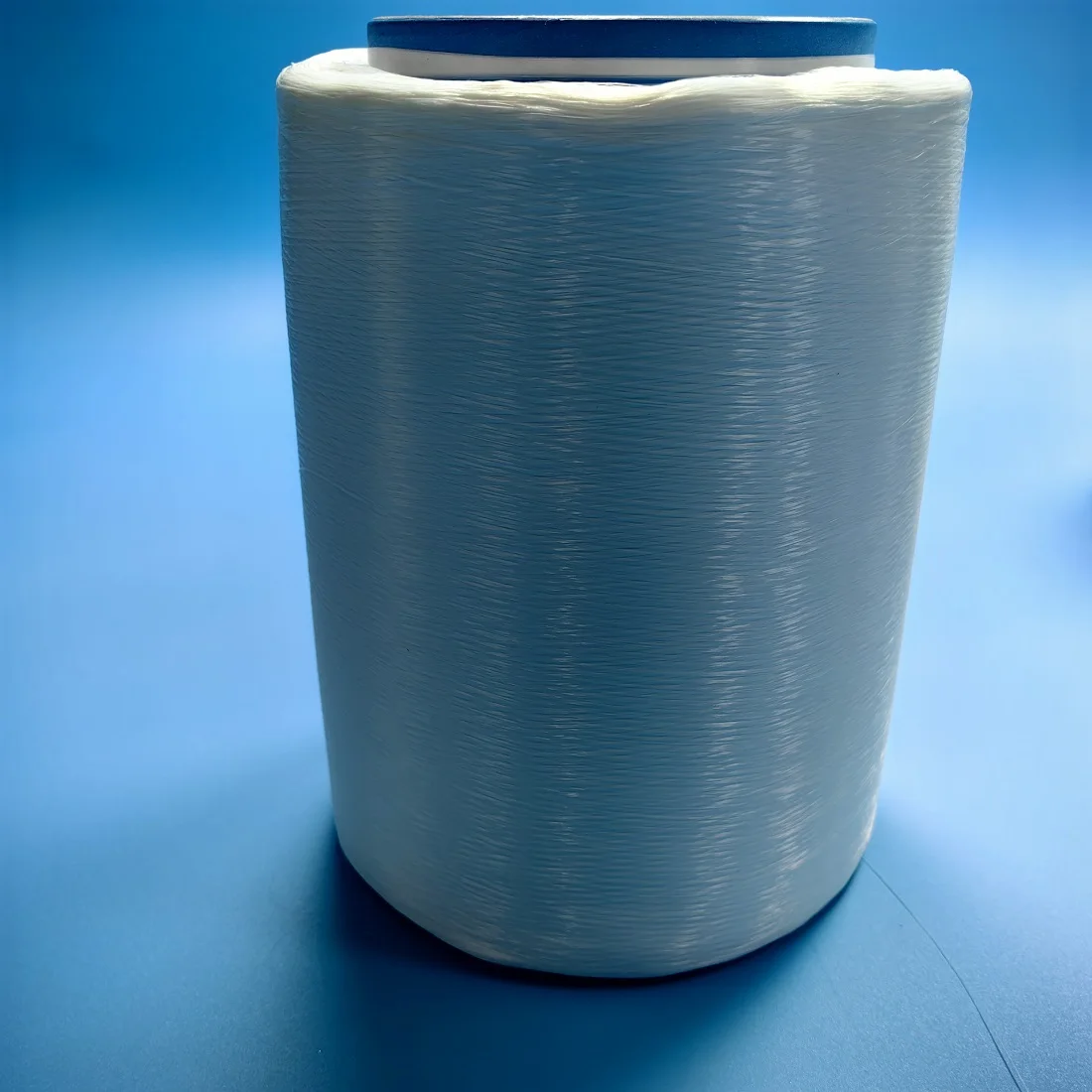
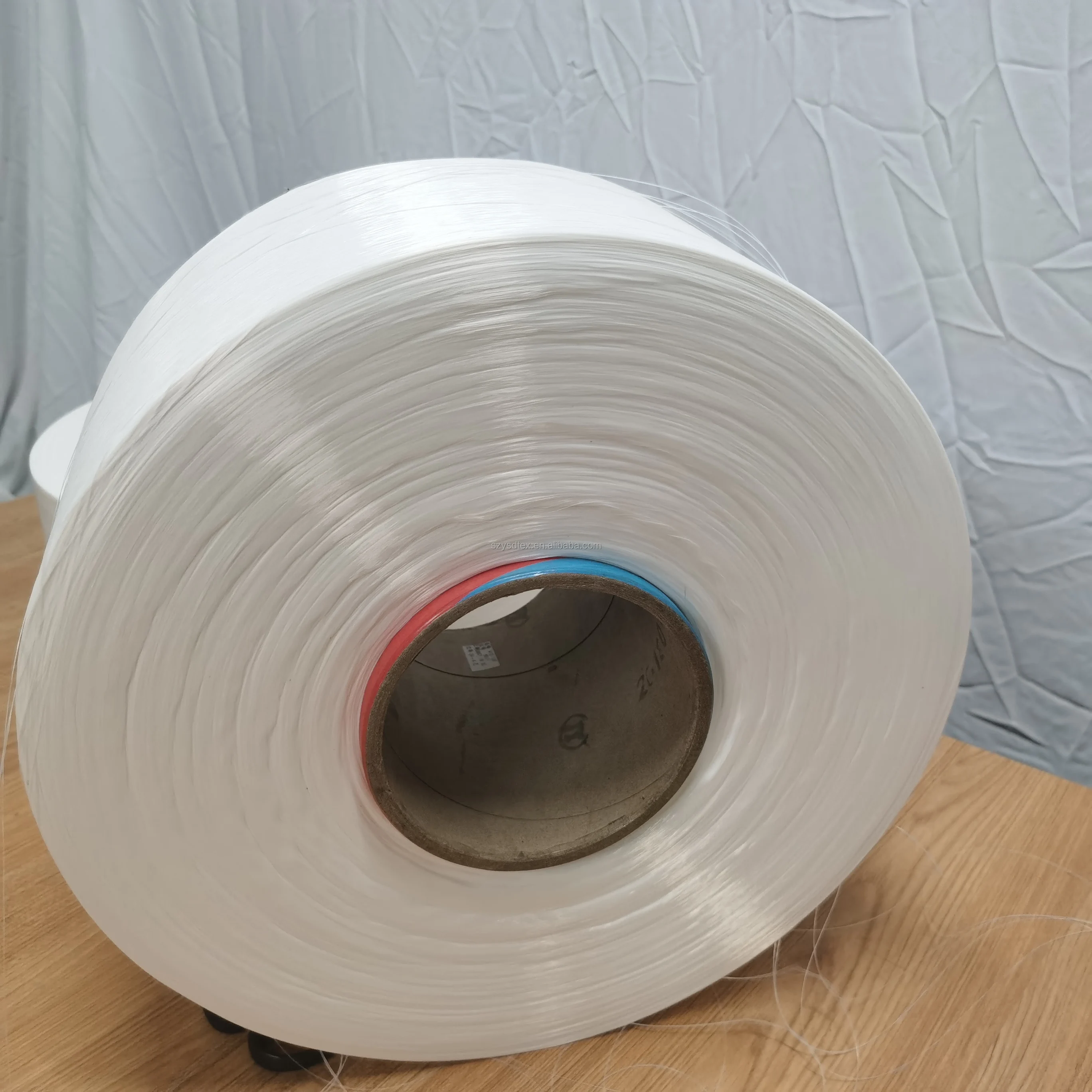
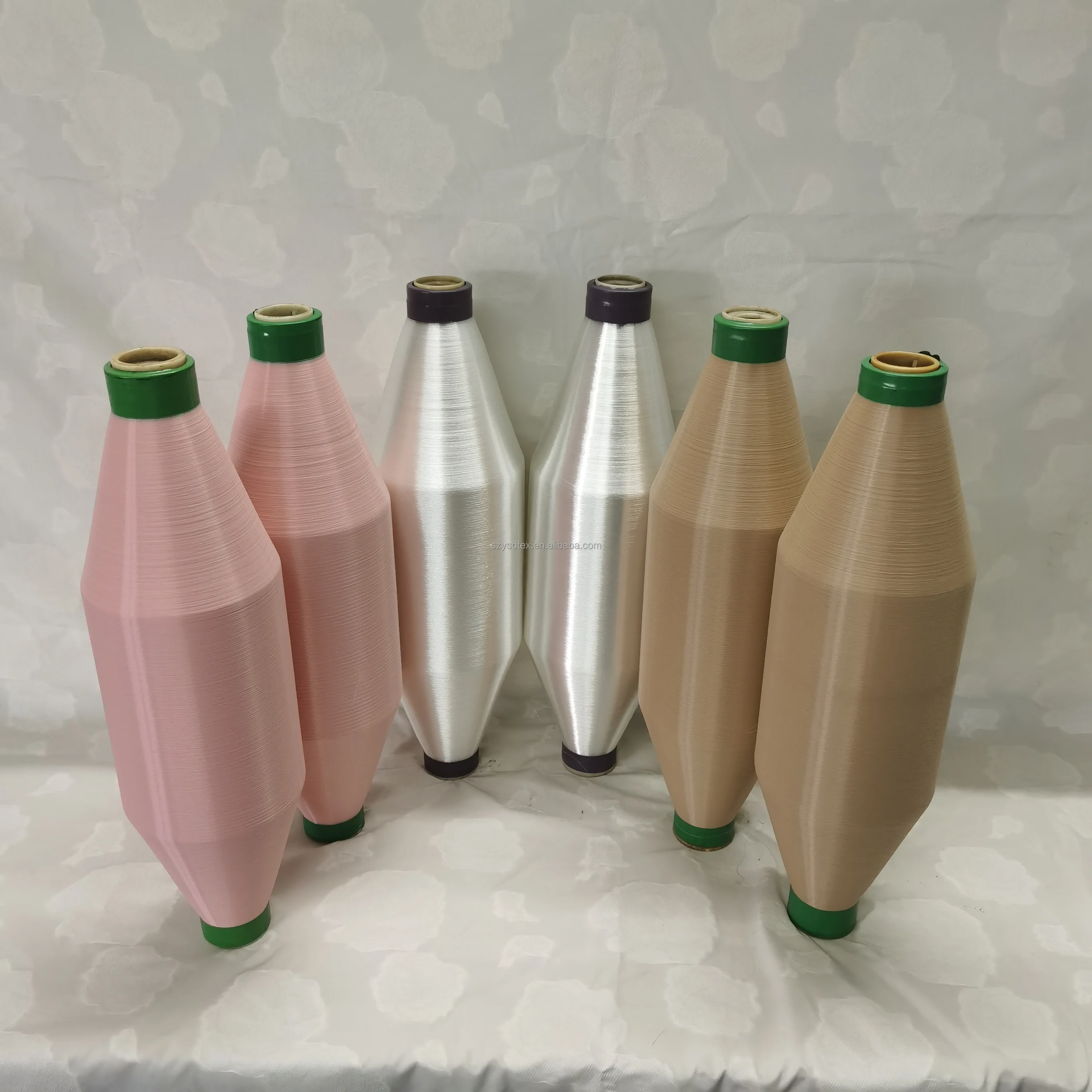
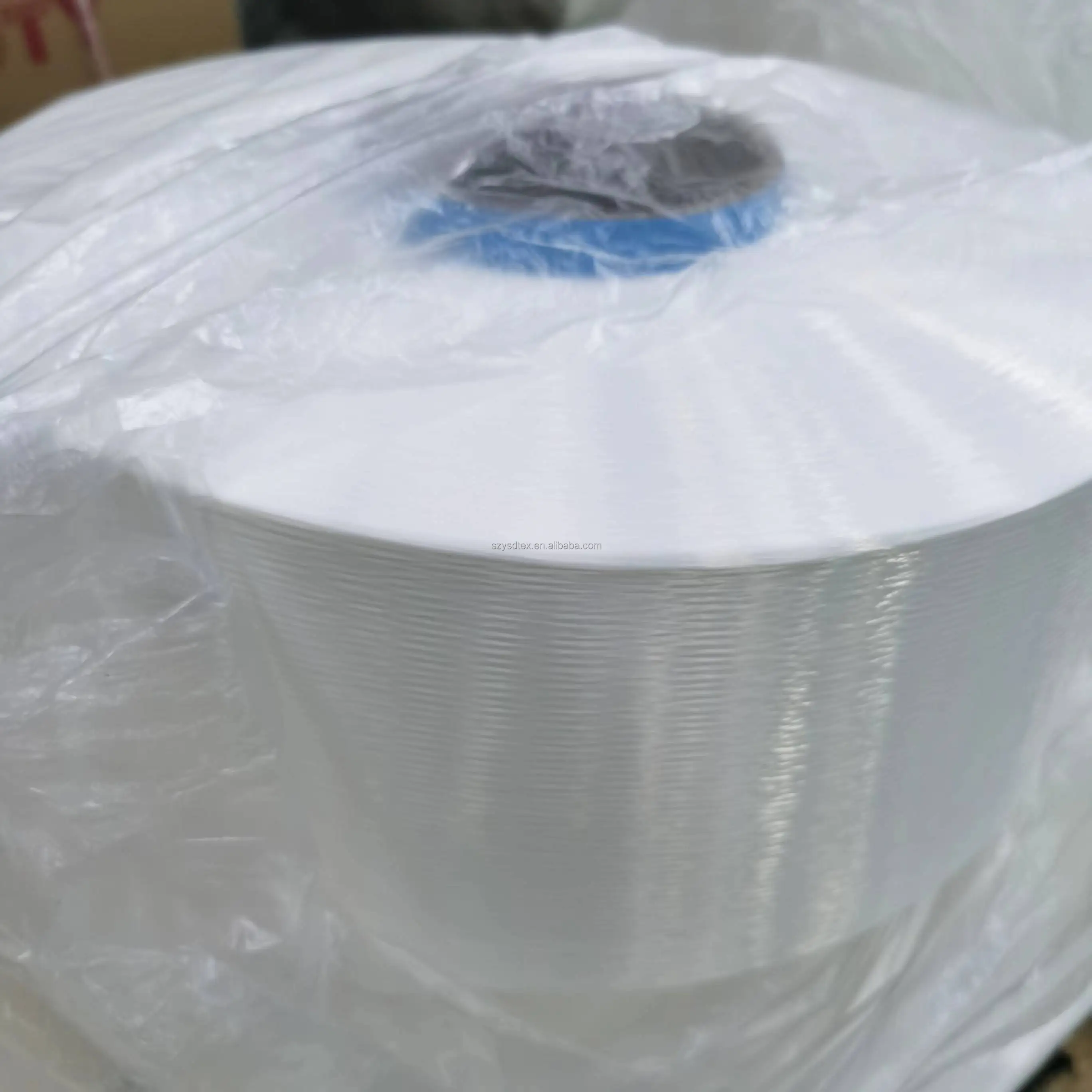
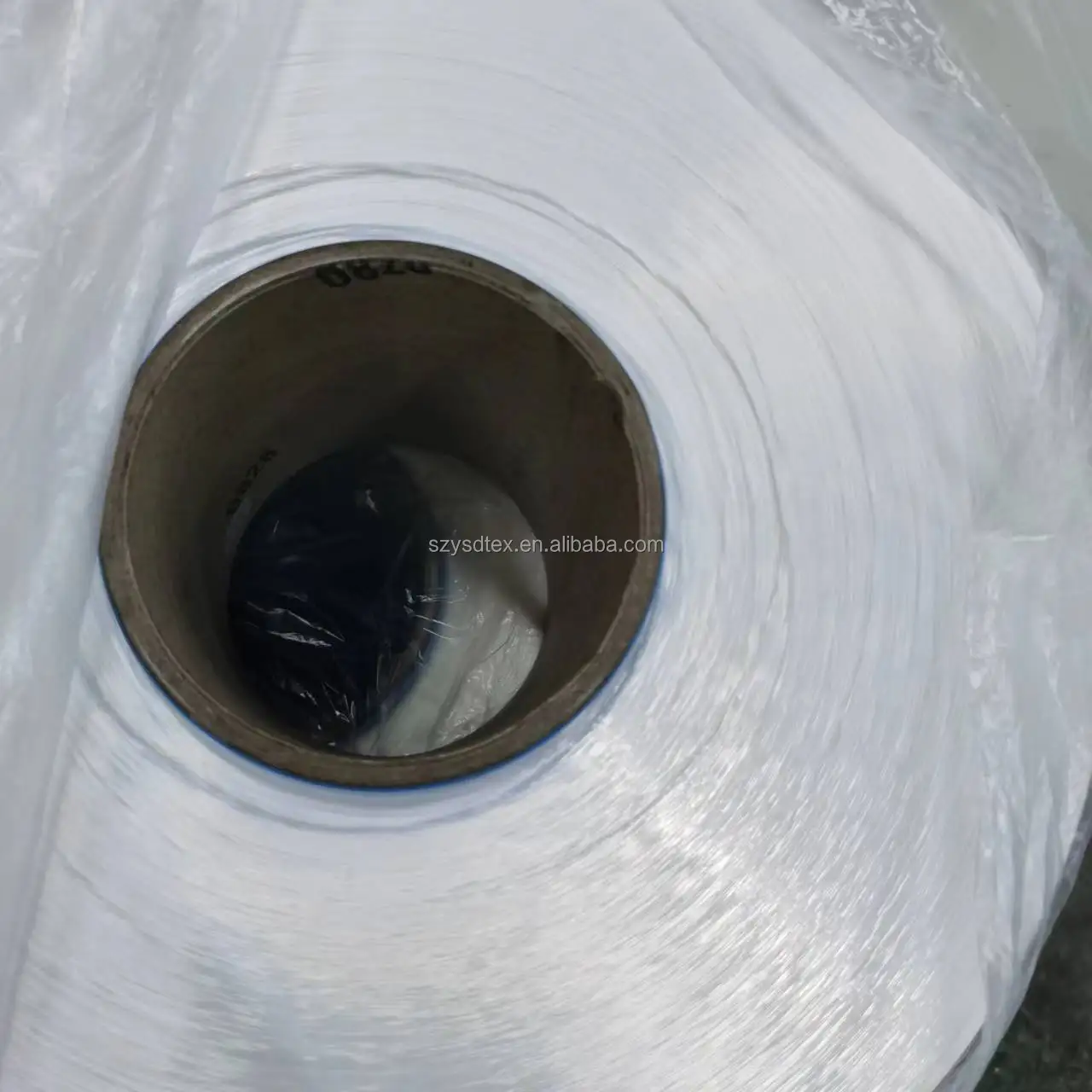
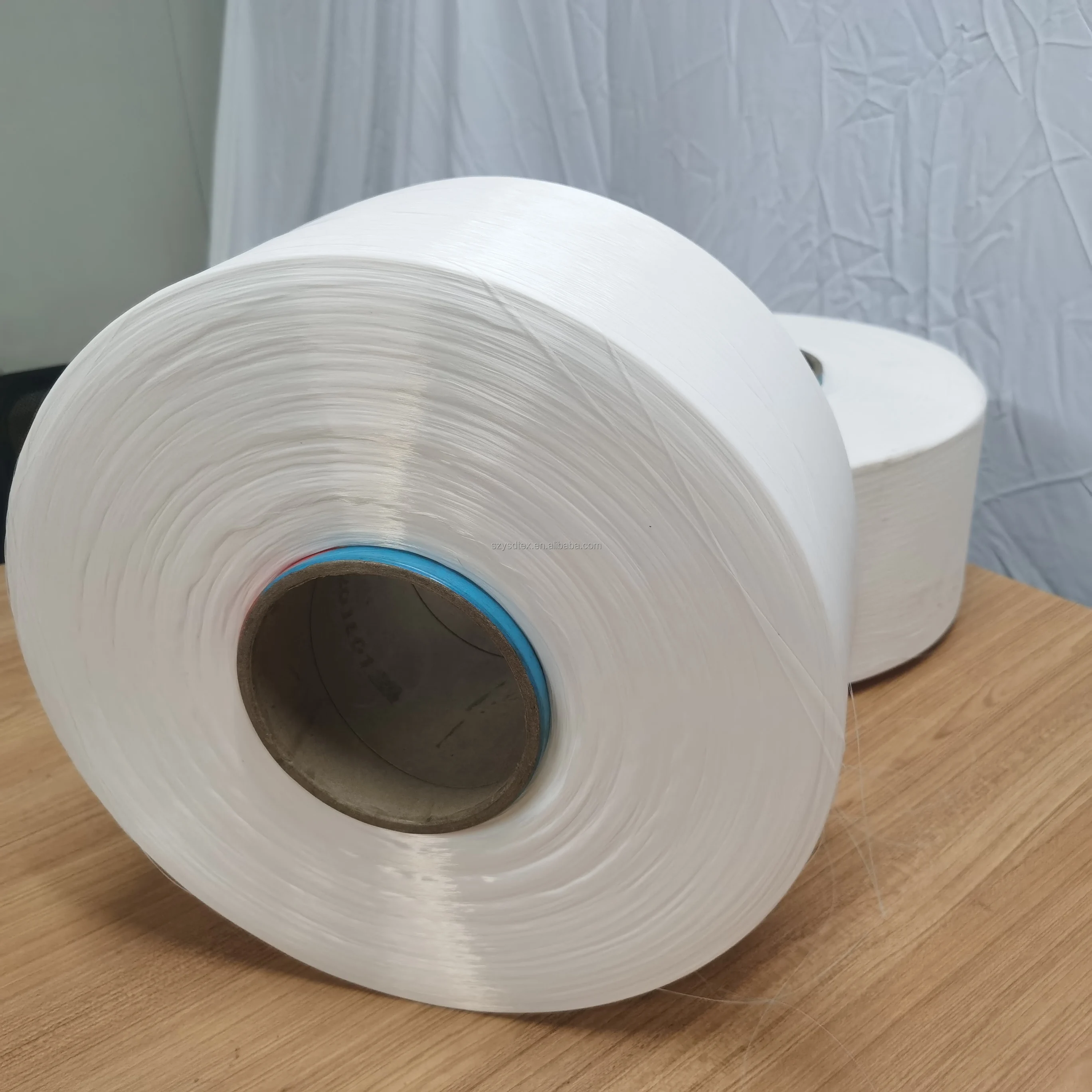
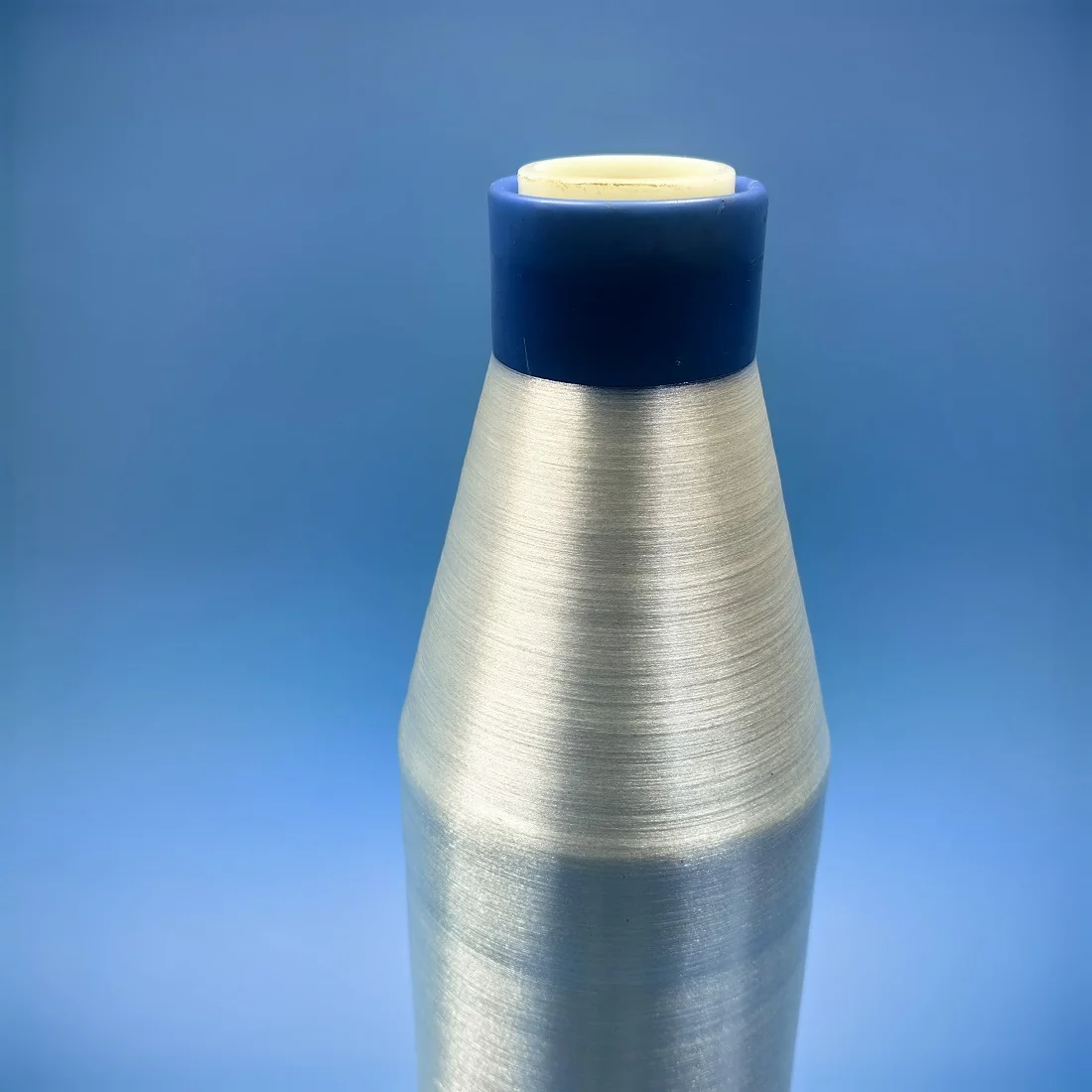
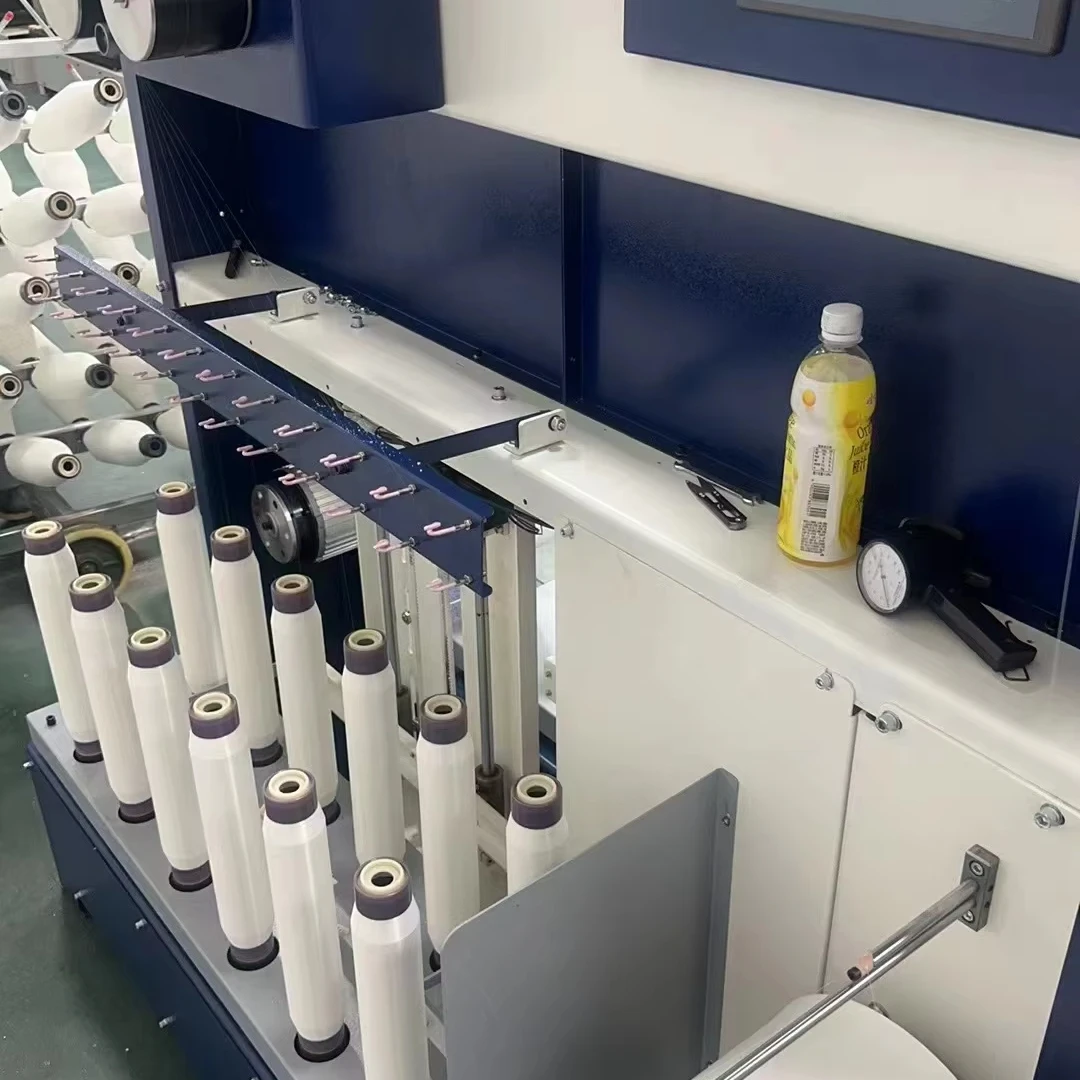
profixM polyester monofilament yarn lines are essential components used in various industrial applications, from textiles to fishing. These single-strand materials, primarily made from nylon or polyester, are known for their strength and versatility. As a B2B buyer, understanding the specifications, applications, and supplier options for monofilament lines is crucial for making informed purchasing decisions. This article will guide you through the key considerations in selecting and sourcing monofilament lines to ensure they meet your project requirements
Nylon and polyester are the two primary materials used in manufacturing profixM nylon monofilament yarn lines, each offering distinct properties that cater to different applications
Nylon Monofilament: This type is known for its excellent elasticity, strength, and resistance to abrasion. It is typically used in applications where flexibility and durability are critical, such as in fishing lines or sewing threads. The tensile strength of nylon can vary based on the diameter and chemical composition, making it suitable for dynamic applications
Polyester Monofilament: Polyester, on the other hand, offers superior UV resistance and less stretch compared to nylon. This makes it ideal for outdoor applications such as landscaping and agricultural uses. The material's resistance to environmental degradation enhances its longevity, which is crucial for products exposed to sunlight and moisture
When evaluating monofilament lines, key specifications to consider include diameter, tensile strength, and elongation at break. The diameter affects the line's visibility and strength, while tensile strength indicates the maximum load the line can handle. Elongation measures how much the line can stretch before breaking, which is vital for applications requiring flexibility. Understanding these specifications will help ensure the monofilament line is appropriate for your specific needs
Selecting the right profixM monofilament yarn line involves assessing the application requirements and aligning them with the material properties. Here are some practical steps for making an informed choice:
Define the Application: Understand the specific use of the monofilament line. Is it for fishing, textile manufacturing, or industrial applications? Each use case may demand different material properties
Evaluate Performance Requirements: Consider the necessary tensile strength, flexibility, and resistance to environmental factors such as UV light or chemicals. For example, fishing lines may require high tensile strength and abrasion resistance, while lines used in sewing might prioritize flexibility
Consult Technical Data Sheets: Review the manufacturer's technical data sheets for specific performance metrics, such as breaking strength and elongation percentages. This information will help you compare products from different suppliers
Request Samples: Before committing to a large order, request samples to test under real-world conditions. This step is crucial to confirm that the monofilament line performs as expected in your application
By following these steps, you can minimize errors and ensure that the selected monofilament line meets your project's requirements effectively
Finding a trustworthy supplier for monofilament yarn is essential for ensuring consistent quality and reliable service. Here are key factors to consider when evaluating suppliers:
Manufacturing Capabilities: Choose a supplier with robust manufacturing capabilities, including advanced machinery and quality control processes. A company like Suzhou YSD Textile Co., Ltd., which specializes in producing monofilament yarn, can provide insights into their production techniques and standards
Product Range and Customization: Look for suppliers that offer a wide range of monofilament products and customization options. This flexibility allows you to source lines that meet specific requirements, whether in diameter, color, or material composition
Certifications and Quality Control: Ensure that potential suppliers adhere to industry standards and have relevant certifications. This can assure product quality and consistency. Ask about their quality control processes and how they handle defects or non-compliance issues
Customer Support and Responsiveness: Evaluate the supplier's customer service. A reliable supplier should be responsive to inquiries and capable of providing technical guidance throughout the purchasing process
By focusing on these criteria, you can identify suppliers that meet your quality and reliability expectations
When purchasing monofilament yarn in bulk, several cost factors come into play that can affect your overall expenditure:
Material Costs: The price per kilogram of nylon or polyester can vary based on market conditions and the supplier's sourcing strategy. Always compare prices among multiple suppliers to ensure competitive rates
Customization Options: If you require custom specifications, be aware that additional costs may apply. Customization can include alterations in diameter, tensile strength, or even color, which may influence the final price
Minimum Order Quantities (MOQ): Suppliers often set minimum order quantities, which can affect your initial purchasing costs. Ensure that the MOQ aligns with your project needs to avoid excess inventory
Shipping and Handling Fees: Don’t overlook the cost of shipping, especially if you’re ordering from international suppliers. Evaluate shipping options and associated costs to find the most economical solution
Payment Terms: Understand the payment terms offered by suppliers. Some may require upfront payments, while others may offer credit terms that can ease cash flow considerations
By carefully evaluating these cost factors, you can better manage your budget and make more economical purchasing decisions
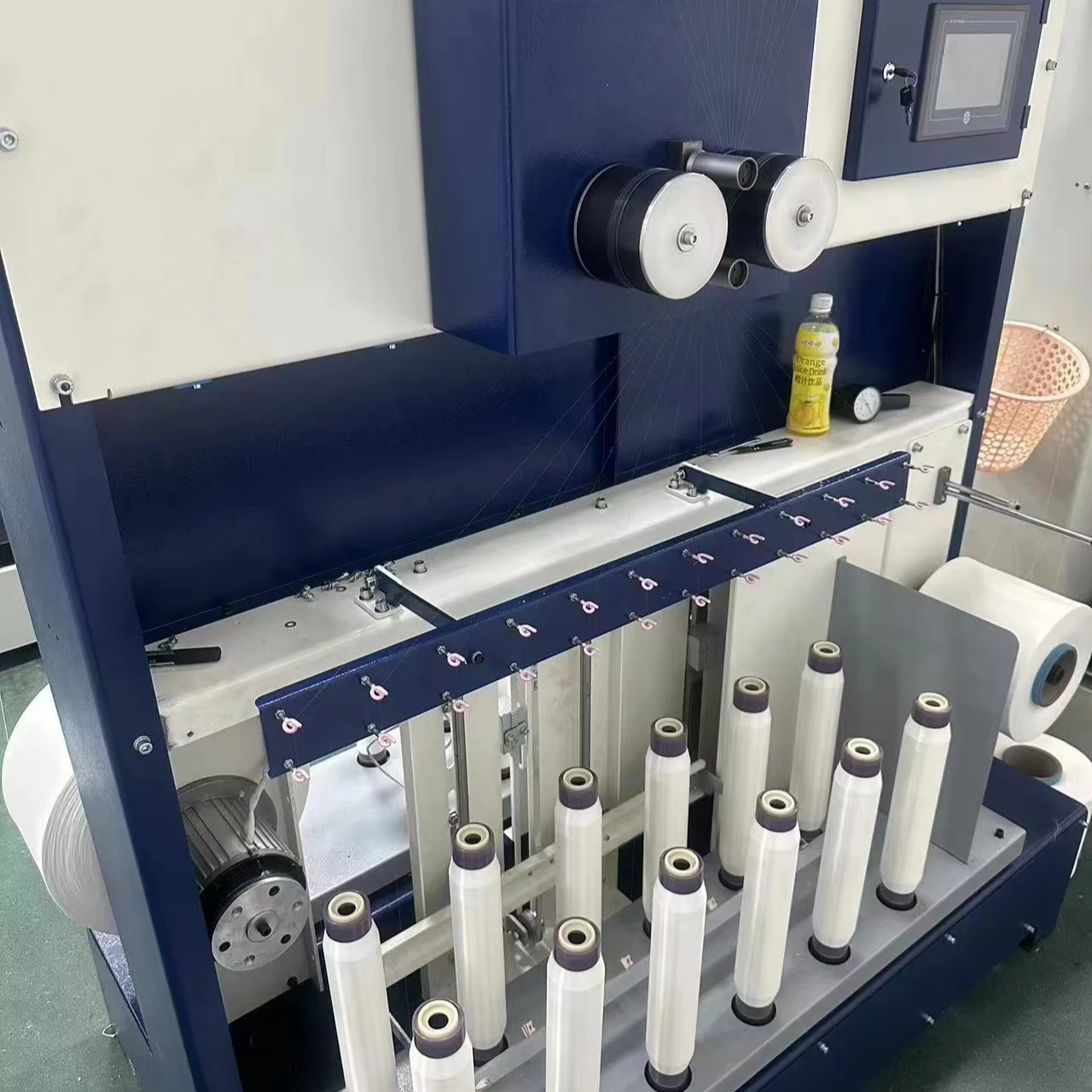
High speed splitting warping machinesimple set up, install use.
manufacturing team has always been customer-focused, they know that customer demands high speed sectional split warping machineare essential for the success of the company. actively listen to the opinions customers, and optimise production service to meet their expectations requirements.
supply yarn and machine more than 12 years and are a top research development department. continue new polyester monofilamentupgrade. also have 30,000m2 of machine production workshop 20,000m2 of nylon/polymer production workshop.Our team is dedicated providing you with the highest quality machines. Every member our team is responsible for the work they do. We sincerely hope that our technology and efforts can help you achieve greater quality of work.
company was established in year 2013. We've sold over 300 products over the last 11 years, we are the market leader. Our company is a highly-specialized firm that designs, produces, sells split warping sectional split warping machineand yarn. team at our factory is extremely skilled experienced.
SUZHOU Y.S.D TEXTILE COMPANY IA LOCATED IN SUZHOU PINGWANG TOWN, WITH 30000m2 OF MACHINE PRODUCTION WORKSHPOP, ALSO HAVE 20000m2 OF NYON/ POLYESTER PRODUCTION WORKSHOP.
No.12 Nanyue Road Pingwang Town Wujiang Suzhou City Jiangsu Province China.
Copyright © Y.S.D.TEXTILE All Rights Reserved Privacy Policy
 EN
 FR
 DE
 EL
 IT
 JA
 KO
 RO
 RU
 ES
 ID
 UK
 VI
 TH
 TR
 BN
 NE