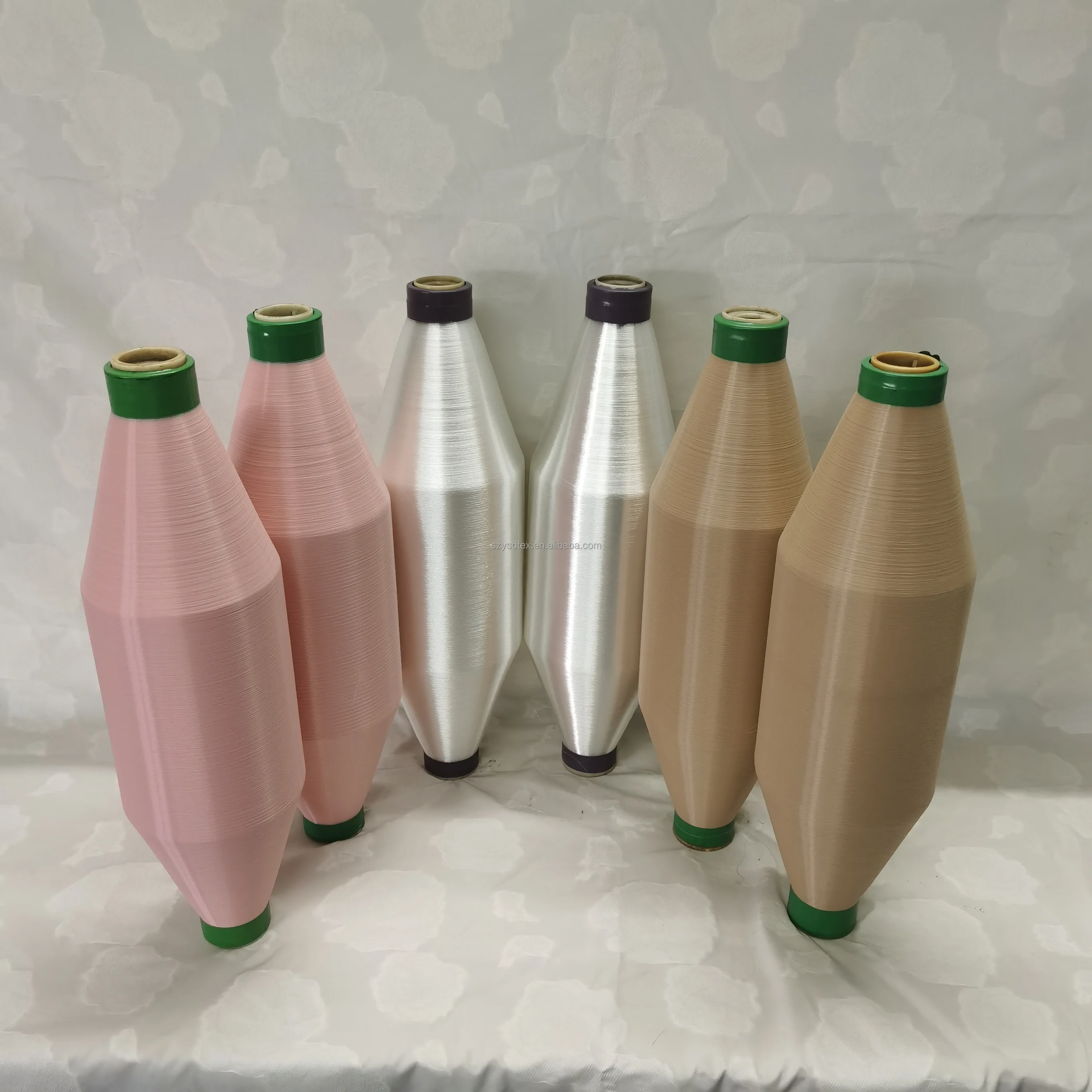
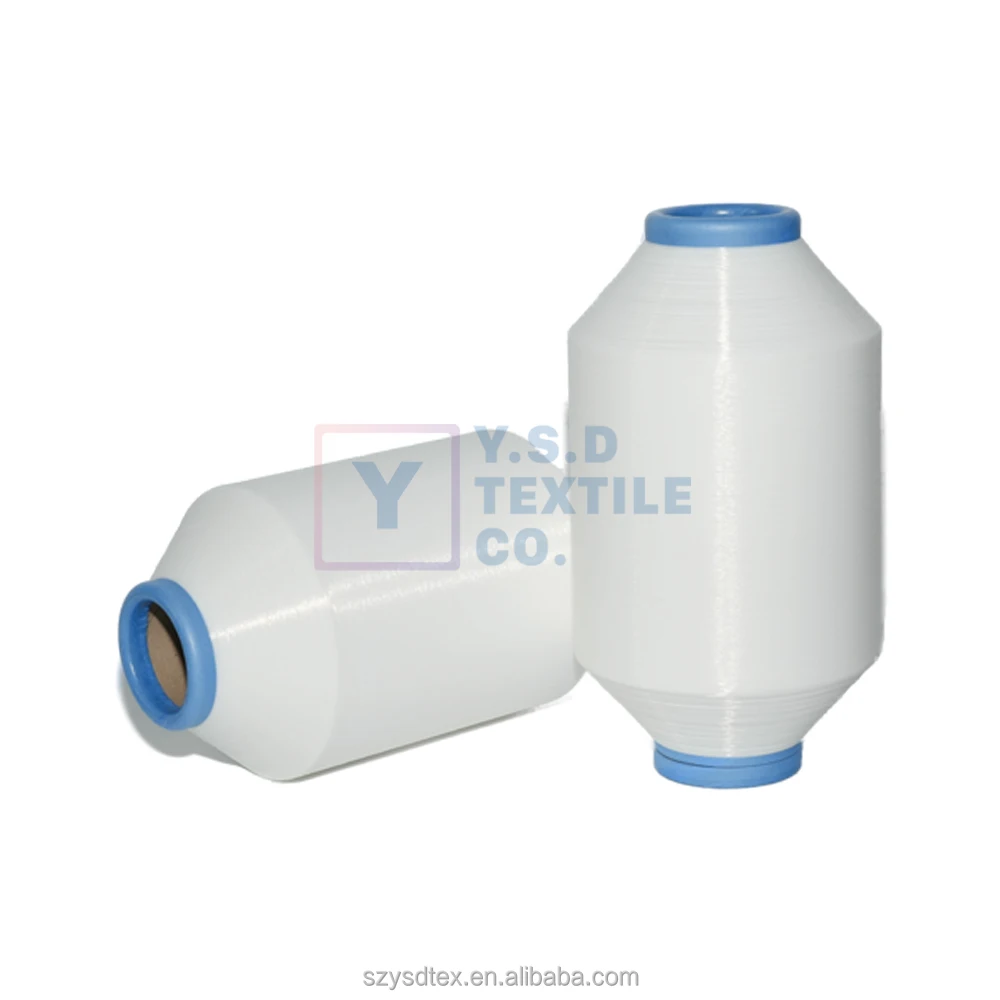
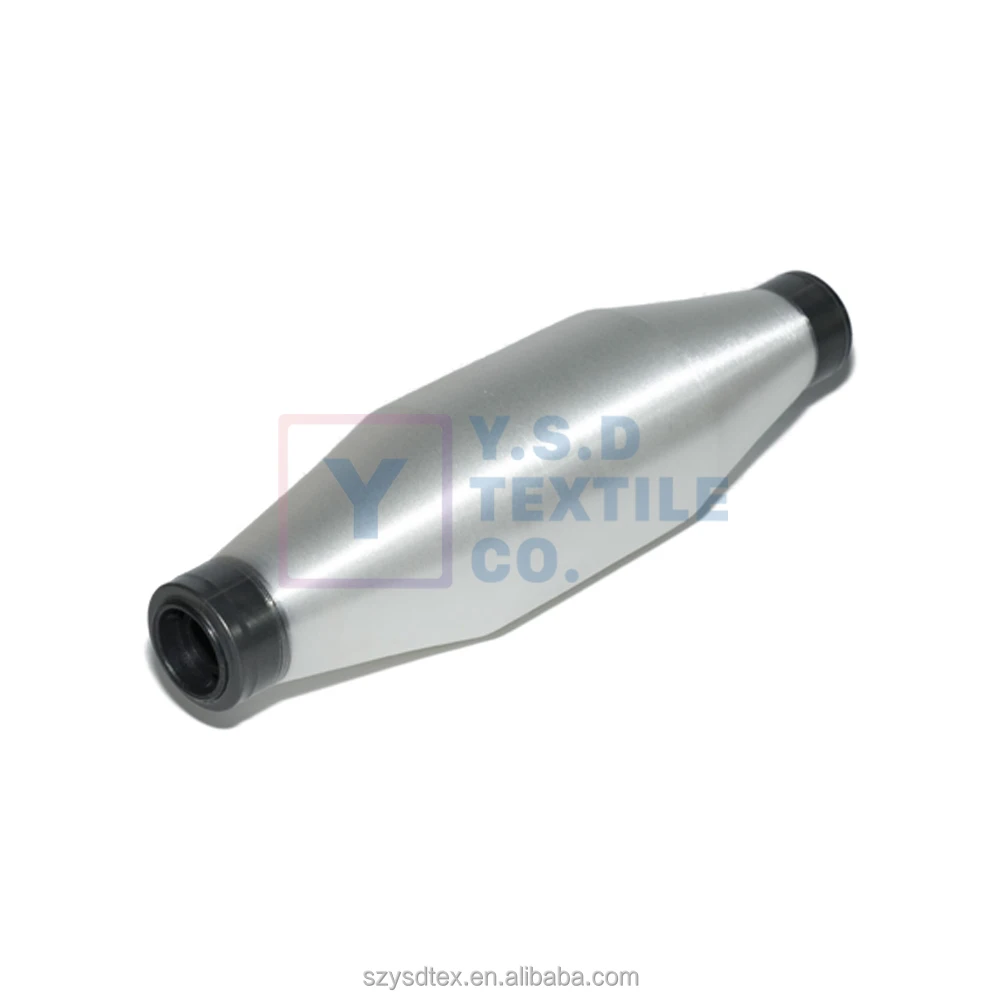
Understanding polyester yarn fabric is essential for B2B buyers looking to procure high-quality materials for various textile applications. This versatile fabric, made from synthetic fibers, offers durability and flexibility, making it a preferred choice across multiple industries. We will address key buyer concerns, including specifications, reliable suppliers, cost factors for bulk orders, common problems associated with polyester yarn fabrics, and installation guidance. This information will assist you in making informed purchasing decisions.
When considering polyester yarn fabric, buyers should be familiar with several specifications that significantly impact the fabric's performance and suitability for specific applications. Key specifications include:
Yarn Type: Polyester yarn can come in various forms, including filament and spun yarn. Filament yarns are continuous strands ideal for smoother fabrics, while spun yarns provide a textured finish suitable for more robust applications.
Denier: This measurement indicates the thickness of the yarn. A lower denier indicates finer yarn, ideal for lightweight applications (e. g., apparel), while higher denier yarns provide greater durability, making them suitable for heavy-duty uses (e. g., upholstery).
Tensile Strength: This refers to the maximum amount of stress a fabric can withstand while being stretched. Higher tensile strength is crucial for applications subjected to high wear and tear, such as industrial textiles.
Color Fastness: This specification measures how well the fabric retains its color after exposure to washing, light, and other environmental factors. For products requiring longevity in appearance, high color fastness is essential.
Weave Type: The method of weaving affects the fabric's texture and overall performance. Common weaves include plain, twill, and satin, each offering distinct characteristics suitable for different uses.
Understanding these specifications helps ensure that the selected polyester yarn fabric meets the intended application requirements, reducing the likelihood of issues once the fabric is in use.
Finding a reliable supplier for polyester yarn fabric is critical for ensuring quality and consistency in your textile products. Here are some factors to consider when evaluating potential suppliers:
Manufacturing Capabilities: Evaluate the supplier's production capabilities, including their machinery and technology. For instance, Suzhou YSD Textile Co., Ltd. specializes in high-speed mother yarn sectional split warping machines, indicating a robust manufacturing process that can produce high-quality yarn.
Quality Control Processes: Look for suppliers with established quality control measures. This includes testing raw materials, monitoring production processes, and conducting final inspections to ensure the fabric meets specified standards.
Customization Options: Many projects may require specific colors, patterns, or textures. A reliable supplier should offer customization capabilities to meet your unique needs.
Customer Support: Assess the supplier's responsiveness and support. A trustworthy supplier will provide guidance throughout the purchasing process, from selecting the right product to addressing any post-purchase concerns.
Export Experience: If you are sourcing from an international supplier, ensure they have experience in exporting products to your region, as this can affect lead times and shipping logistics.
By thoroughly vetting suppliers based on these criteria, buyers can establish strong partnerships that lead to long-term success.
When purchasing recycled polyester yarn fabric in bulk, several cost factors need to be considered to ensure you are making a financially sound decision:
Material Costs: The price of raw materials, including the polyester itself, can fluctuate based on market conditions. Understanding these costs can help you time your purchases effectively.
Production Volume: Typically, larger orders result in lower unit prices due to economies of scale. However, it is essential to confirm the minimum order quantity (MOQ) required by the supplier to avoid unexpected costs.
Customization Fees: If your order requires specific modifications, such as unique colors or blends, be aware that these may incur additional costs. Always request a detailed quotation that outlines any customization fees.
Shipping and Handling: Depending on the supplier's location, shipping costs can vary significantly. Be sure to factor in shipping times and costs when planning your order to avoid delays.
Payment Terms: Some suppliers may offer flexible payment terms, which can help manage cash flow. Understanding these terms can aid in budgeting for your purchase.
By considering these cost factors, buyers can make informed decisions that align with their budget and project timelines.
While polyester yarn fabrics are known for their durability and versatility, they can present some challenges. Here are common issues and their potential solutions:
Pilling: Over time, polyester yarn fabrics can develop small balls of fiber on the surface, known as pilling. To mitigate this, selecting higher-quality yarns with better tensile strength can reduce wear and tear. Regular maintenance, such as gentle washing and avoiding abrasive surfaces, can also help.
Static Electricity: Polyester is prone to static buildup, which can be problematic in certain applications. To reduce static, consider incorporating anti-static treatments or additives during manufacturing.
Color Fading: Exposure to UV light can lead to color fading over time. To address this, opting for polyester yarns with higher color fastness ratings will ensure the fabric retains its vibrancy longer.
Shrinkage: Improper washing or drying can lead to fabric shrinkage. Buyers should educate end-users on proper care instructions to minimize this risk, and consider pre-shrinking the fabric during production.
Compatibility with Other Materials: When blending polyester with other fibers, compatibility can become an issue. Buyers should consult with suppliers to ensure that the chosen blends will maintain the desired properties and aesthetic.
Understanding these common problems and their solutions will help buyers make informed decisions and minimize potential issues in their applications.
company was established in year 2013. We've sold over 300 products over the last 11 years, we are the market leader. Our company is a highly-specialized firm that designs, produces, sells split warping sectional split warping machineand yarn. team at our factory is extremely skilled experienced.
have been providing yarn and machines more than 12 years. We have -quality research and development department. continuously upgrade our technology. also have a 20,000m2 nylon/polyester production workshop. team is dedicated to supplying machines that of the best quality. Each member of our team is on the job and sectional split warping machinefor all their job. truly hope that our expertise and technology will bring you a greater quality of work.
factory team is extremely customer-centric recognizes that the success a business is dependent on the needs satisfaction of its customers. They sectional warping machinelisten the voice of customers and enhance their service production in order satisfy their requirements and expectations.
High speed splitting warping machinesimple set up, install use.

SUZHOU Y.S.D TEXTILE COMPANY IA LOCATED IN SUZHOU PINGWANG TOWN, WITH 30000m2 OF MACHINE PRODUCTION WORKSHPOP, ALSO HAVE 20000m2 OF NYON/ POLYESTER PRODUCTION WORKSHOP.
No.12 Nanyue Road Pingwang Town Wujiang Suzhou City Jiangsu Province China.
Copyright © Y.S.D.TEXTILE All Rights Reserved Privacy Policy
 EN
 FR
 DE
 EL
 IT
 JA
 KO
 RO
 RU
 ES
 ID
 UK
 VI
 TH
 TR
 BN
 NE