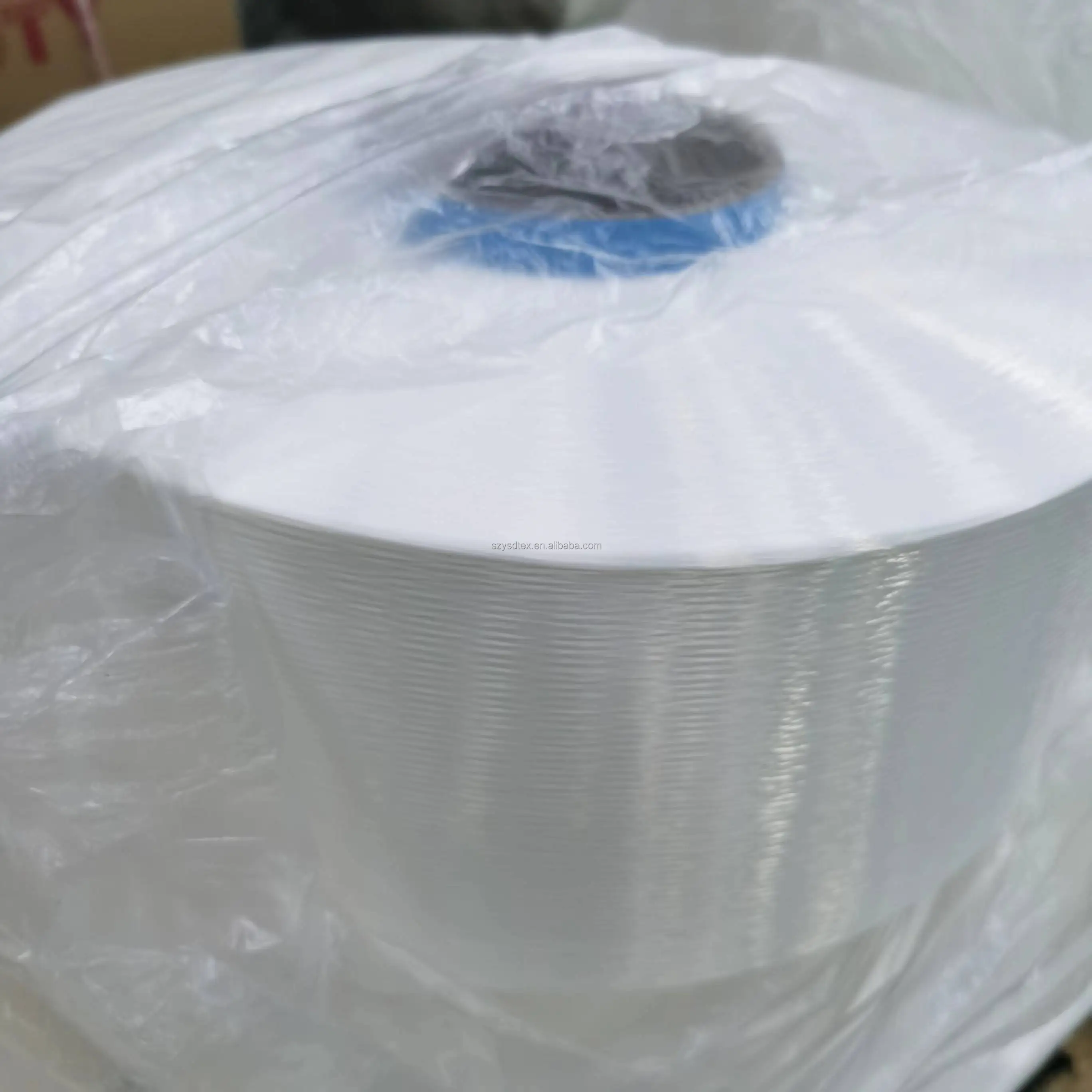
Polyester yarn is a versatile and widely used textile material, particularly sought after in India for various manufacturing applications. As bulk buyers, purchasing managers and distributors look for high-quality and reliable polyester yarn, understanding its specifications, suppliers, and potential challenges becomes paramount. This article will guide you through selecting the right recycled polyester yarn, finding trustworthy suppliers in India, addressing common issues, installation tips for manufacturing, and exploring its applications across multiple industries.
When selecting polyester yarn for bulk orders, several factors are crucial to ensure compatibility with your intended applications. First, consider the yarn’s denier, which measures its thickness and strength. A higher denier typically indicates a thicker, more robust yarn, suitable for heavy-duty applications, while lower denier options are often used for finer fabrics and lightweight garments.
Additionally, evaluate the yarn's filament type, as polyester can come in different forms, such as filament yarn or spun yarn. Filament yarn is ideal for smooth, shiny textiles, while spun yarn offers a softer texture, making it suitable for applications requiring a more traditional feel. Understanding the specific requirements of your end product will help you make informed decisions.
Moreover, assessing the yarn’s dyeing compatibility and finish is essential. Polyester yarn can be treated with various finishes to enhance properties like UV resistance, moisture-wicking, or fire retardancy. Depending on your application, you may need to specify these characteristics to ensure the yarn meets your performance standards.
Finding trustworthy suppliers of profixM polyester yarn in India involves careful research and consideration. Start by looking for manufacturers with a strong industry presence and a solid reputation for quality. Companies like Suzhou YSD Textile Co., Ltd. specialize in producing a range of textile machinery and yarns, ensuring a reliable source for your polyester yarn needs.
Another effective method is to participate in industry expos or trade fairs, where you can meet suppliers face-to-face, inspect samples, and discuss your specific requirements. Online supplier directories and platforms can also provide valuable insights into manufacturers’ capabilities, product offerings, and customer reviews. Always verify the supplier’s certifications and quality control processes to ensure that the price of polyester yarn meets international standards.
Engaging in discussions with existing clients of potential suppliers can provide firsthand insights into the supplier's reliability and product quality. It’s also advisable to request samples before committing to larger orders, allowing you to evaluate the yarn’s suitability for your manufacturing processes.
Despite its popularity, profixM polyester yarn can present several challenges during manufacturing and application. One common issue is pilling, which occurs when small balls of fiber form on the surface of the fabric. This can be mitigated by selecting high-quality yarn with a smooth finish and ensuring proper care instructions are communicated to end-users.
Another challenge is shrinkage, which can affect the final dimensions of the fabric. To address this, buyers should confirm the yarn’s shrinkage properties and pre-shrink the fabric when necessary. This is particularly important for applications like apparel, where fit is critical.
Moreover, colorfastness can be a concern, especially in products that undergo frequent washing. Conducting thorough testing on dye compatibility and color retention will help prevent color bleeding and fading over time. It's essential to collaborate closely with your supplier to ensure that the yarn’s dyeing process aligns with your quality expectations.
Proper installation of profixM polyester yarn is critical to achieving desired outcomes in manufacturing processes. Before starting production, ensure that the yarn is properly tensioned on the machine to prevent slippage or breakage during weaving or knitting. This is particularly important when working with high-speed machinery, where consistent tension is necessary for maintaining fabric quality.
It's also advisable to create a detailed setup plan that includes threading guides and machine settings specific to the type of polyester yarn being used. Regular maintenance of the machinery, including cleaning and lubrication, will help avoid issues such as yarn snags or uneven fabric production.
In addition, familiarize your team with the characteristics of polyester yarn, such as its melting point and heat sensitivity. This knowledge is essential for setting appropriate temperatures during the manufacturing process, as overheating can lead to yarn damage or undesirable fabric qualities.
factory team has been customer- mother yarn warping split, they are well aware that customer needs satisfaction are key to success of the company. They actively listen the voices of their customers, as well as optimize production service satisfy their requirements and expectations.
have been providing yarn and machines more than 12 years. We have -quality research and development department. continuously upgrade our technology. also have a 20,000m2 nylon/polyester production workshop. team is dedicated to supplying machines that of the best quality. Each member of our team is on the job and sectional split warping machinefor all their job. truly hope that our expertise and technology will bring you a greater quality of work.
products simple to install, set up sectional mother yarn warping machine.
company was established 2013. In the last 11 years, have sold 300 sets of products and the market leader in sales till today. Our company a specialist firm that designs, produces sells split-warping machines and yarn. high speed sectional split warping machinestaff has practical skills and knowledge.

SUZHOU Y.S.D TEXTILE COMPANY IA LOCATED IN SUZHOU PINGWANG TOWN, WITH 30000m2 OF MACHINE PRODUCTION WORKSHPOP, ALSO HAVE 20000m2 OF NYON/ POLYESTER PRODUCTION WORKSHOP.
No.12 Nanyue Road Pingwang Town Wujiang Suzhou City Jiangsu Province China.
Copyright © Y.S.D.TEXTILE All Rights Reserved Privacy Policy
 EN
 FR
 DE
 EL
 IT
 JA
 KO
 RO
 RU
 ES
 ID
 UK
 VI
 TH
 TR
 BN
 NE