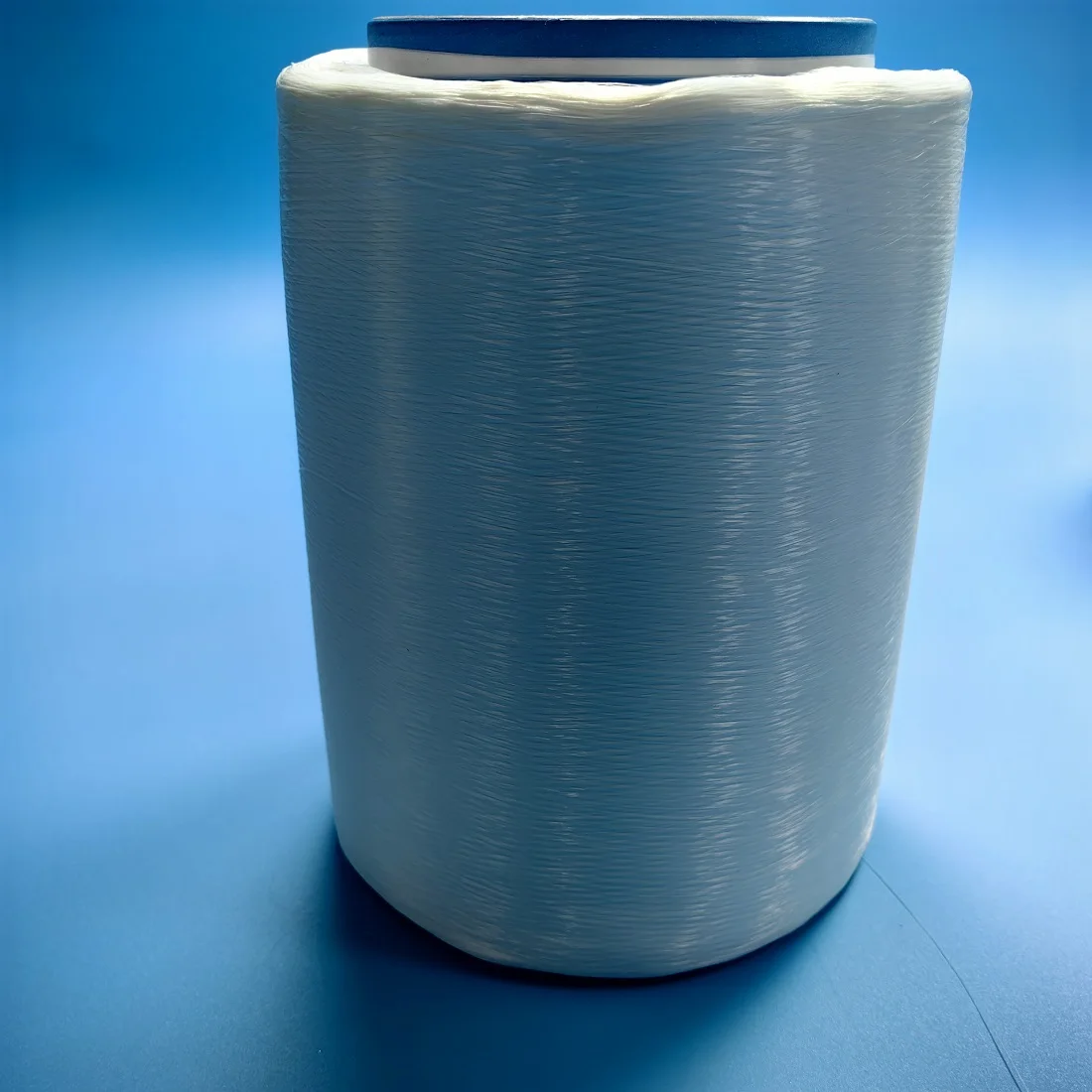
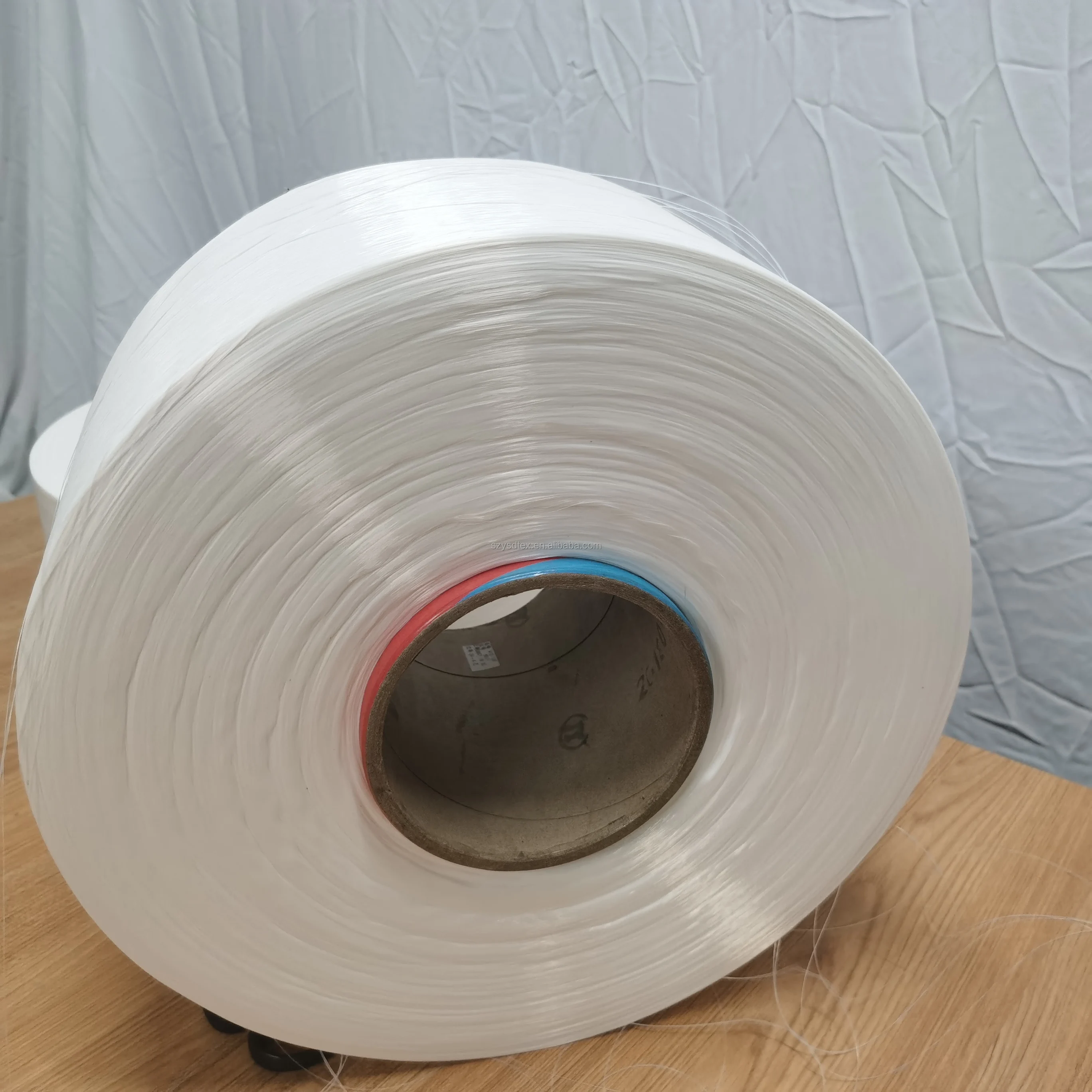
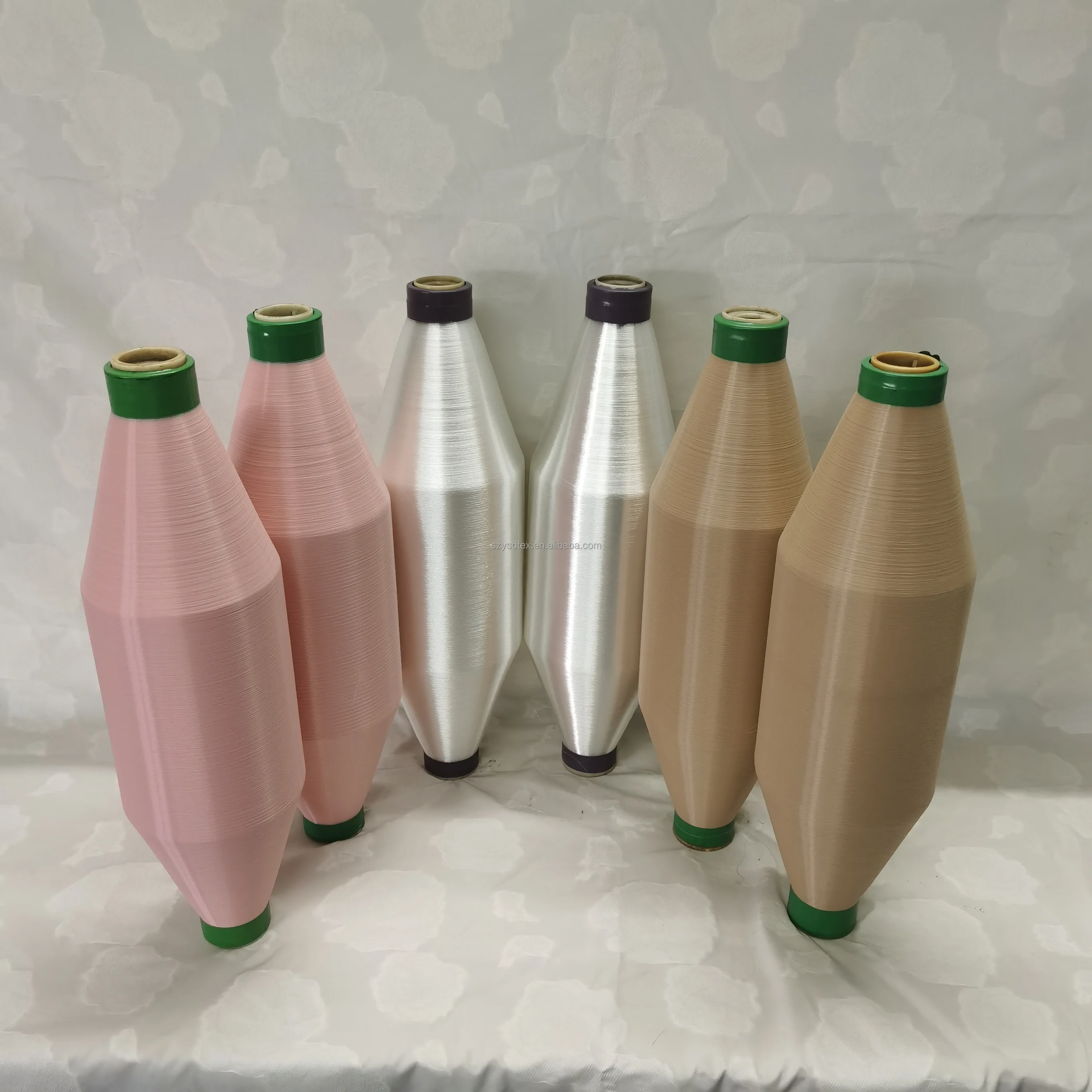
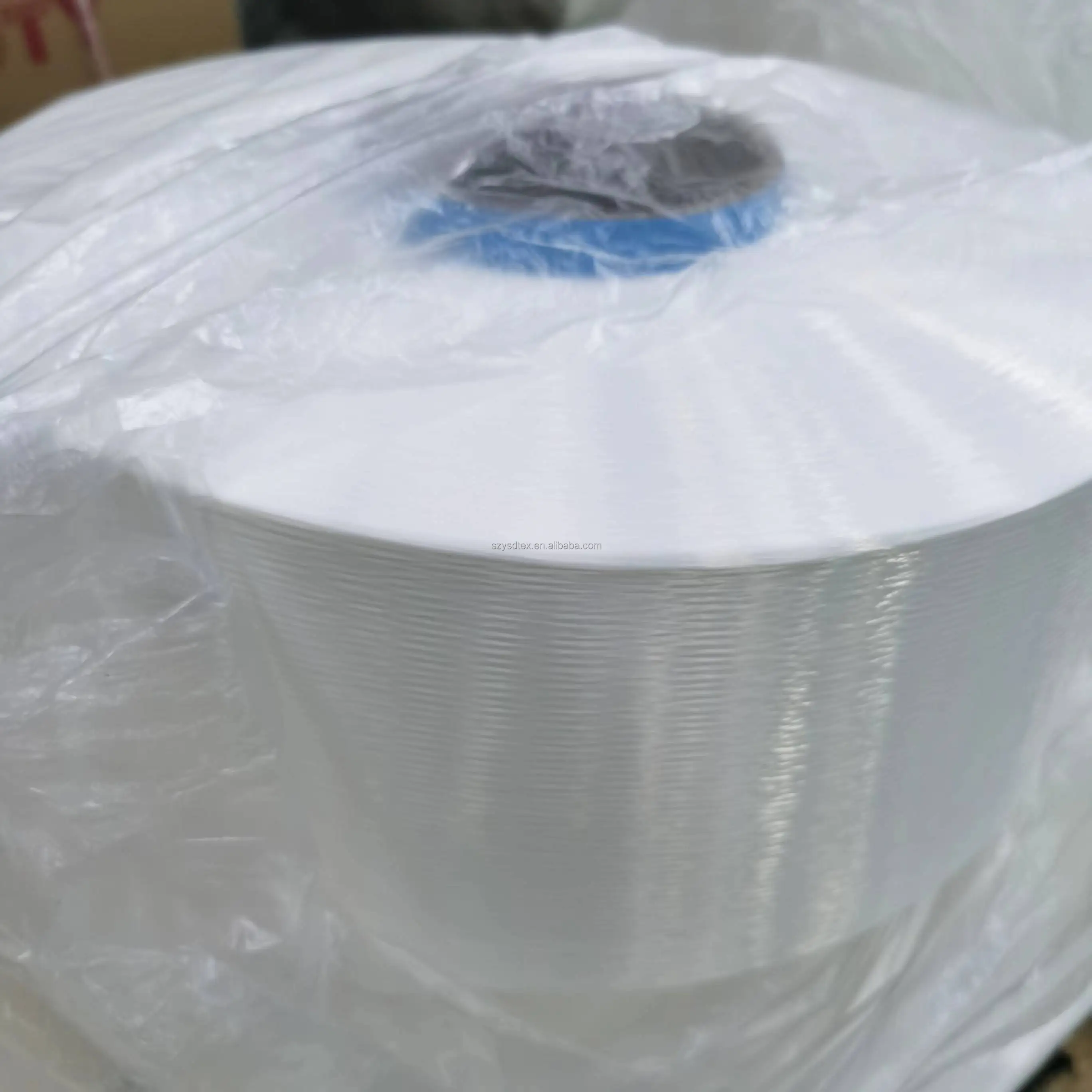
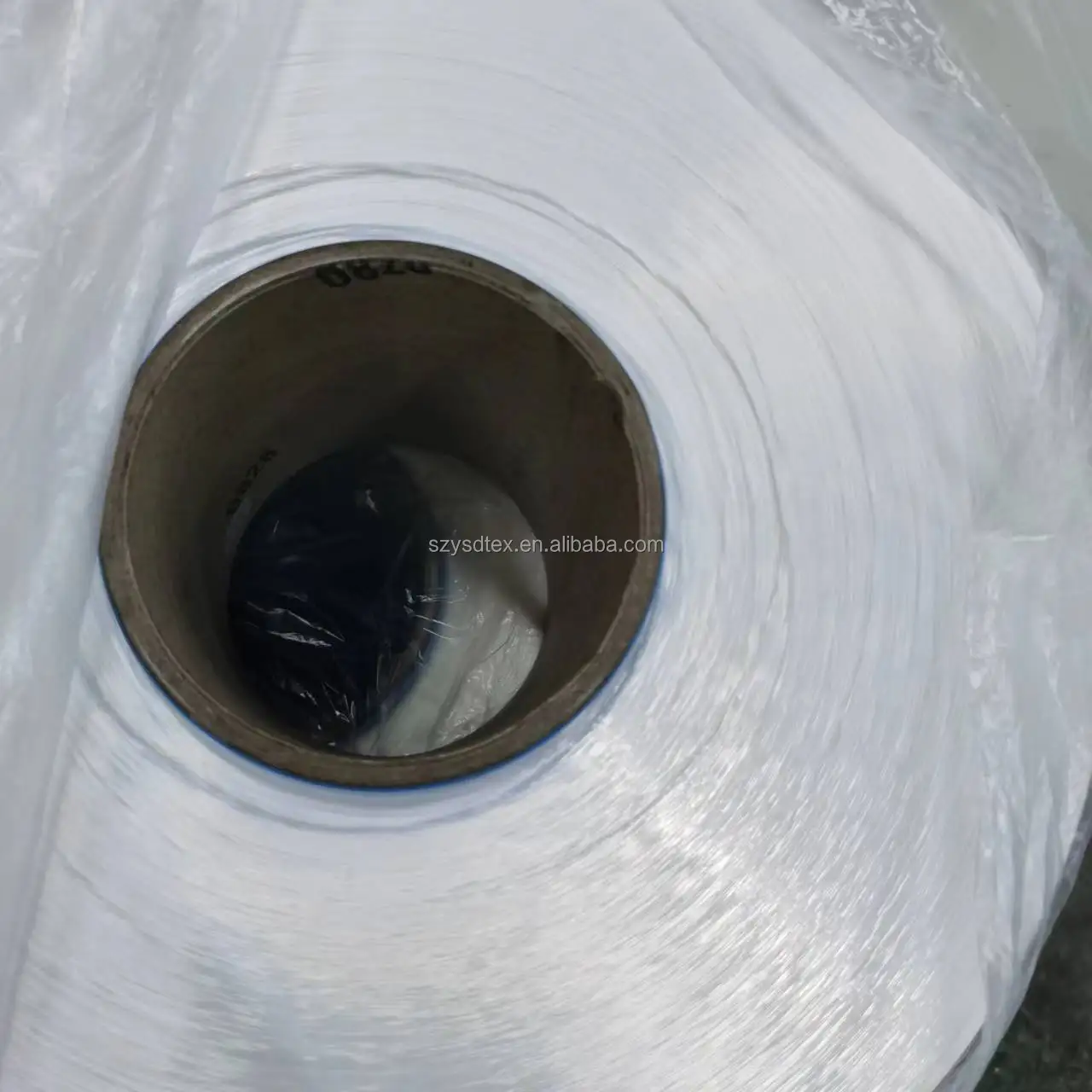
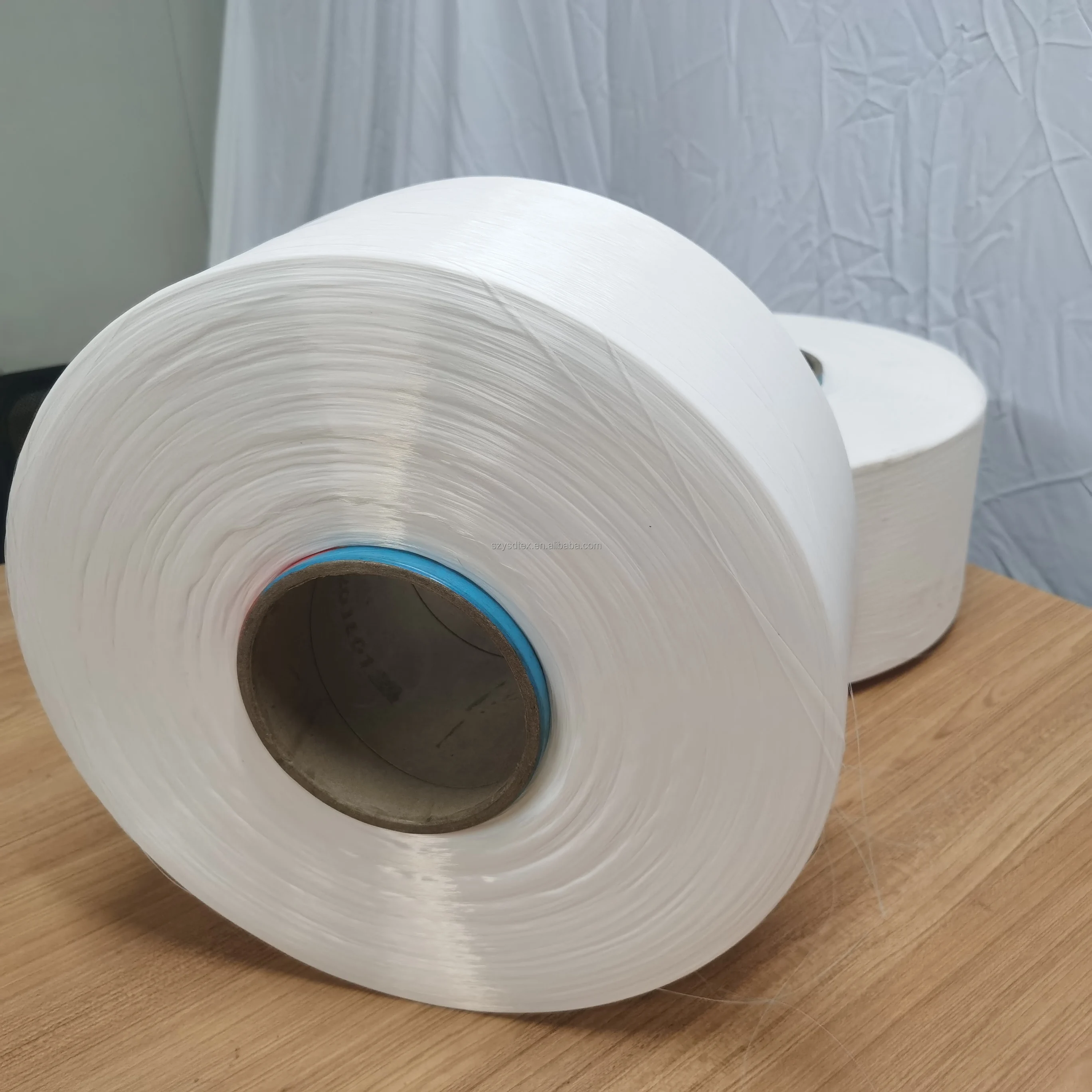
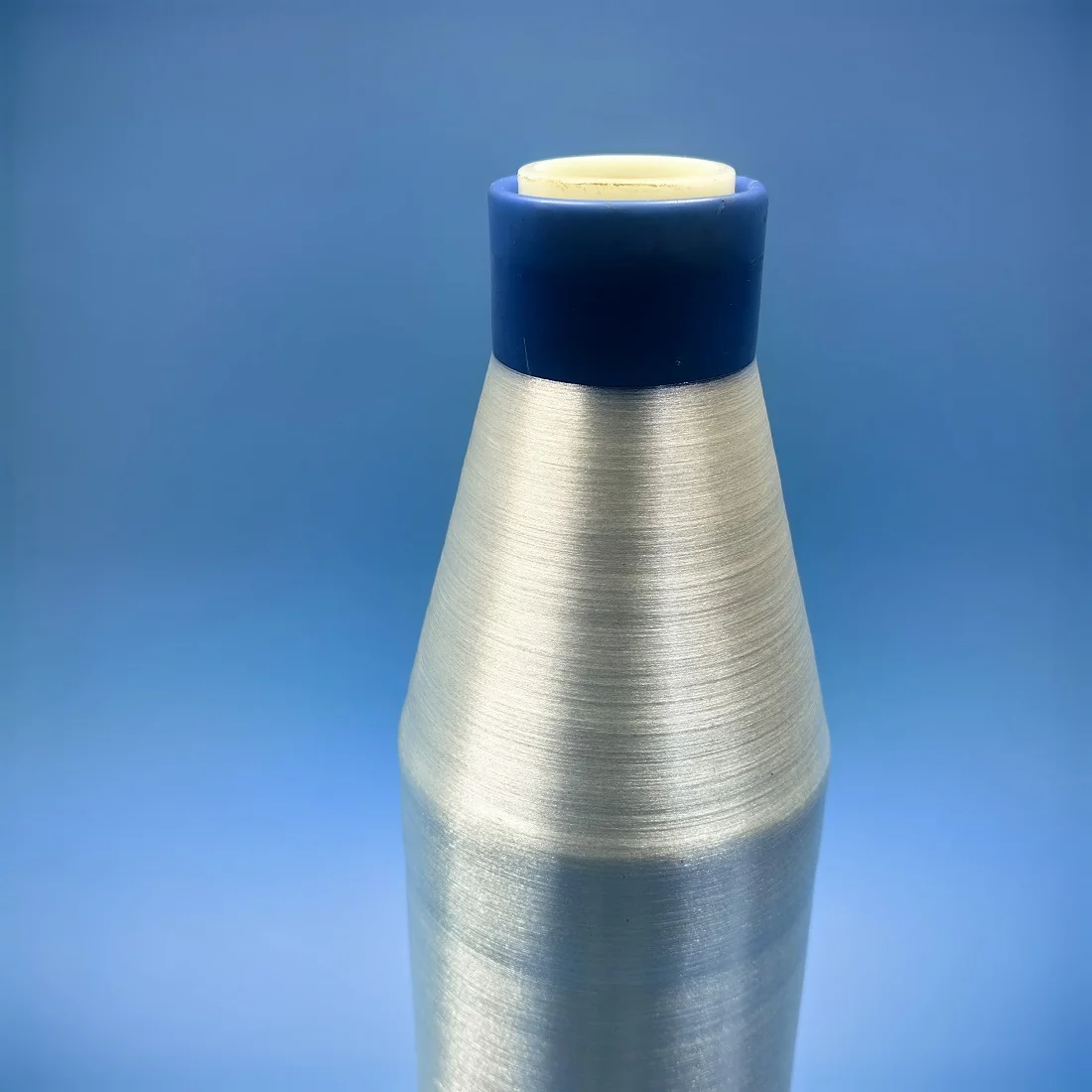
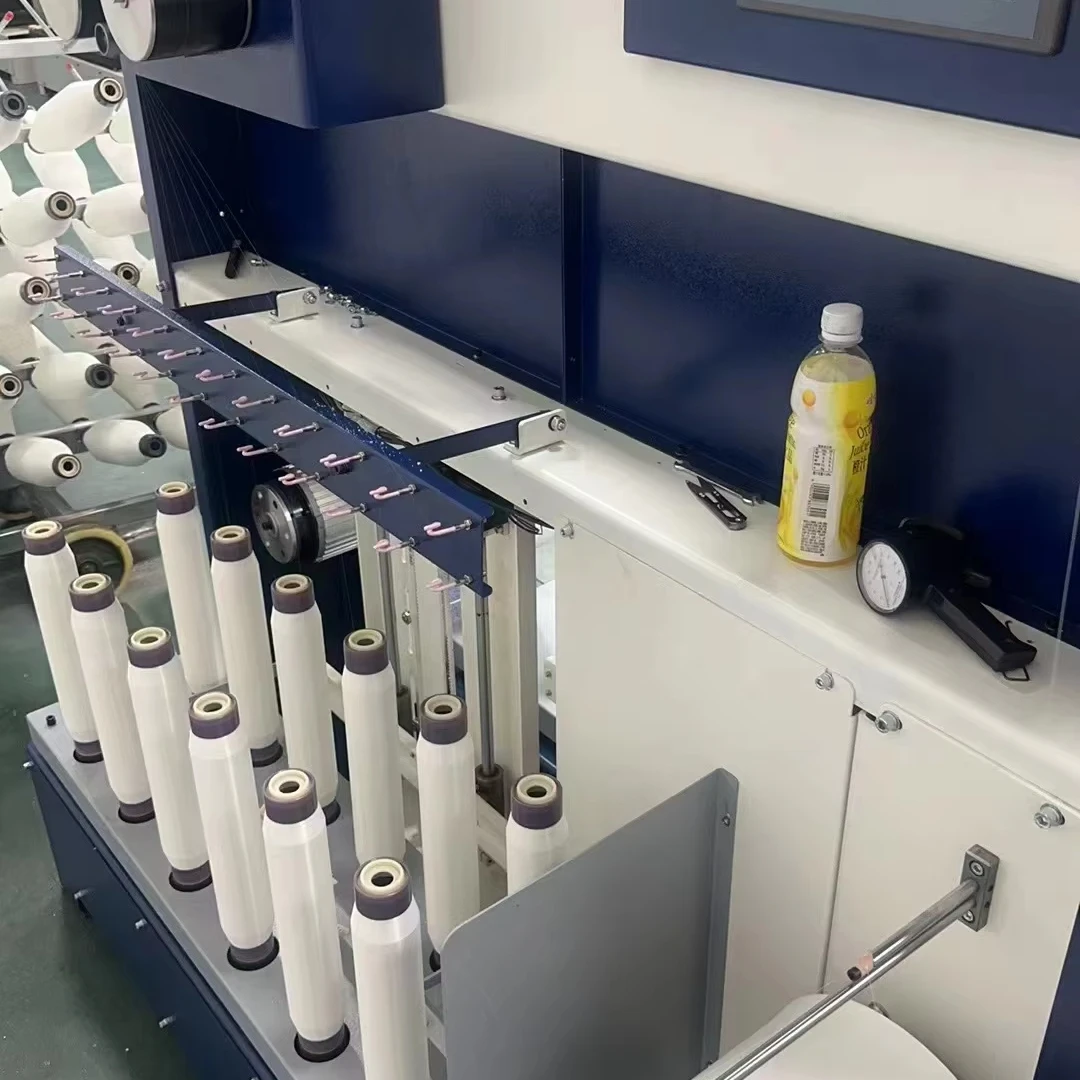
High-quality sock yarn is essential for manufacturers and distributors in the textile industry, especially when sourcing materials for bulk orders. This article focuses on the nuances of twisted socks yarn sale, guiding purchasing managers, distributors, and product managers through the critical aspects of sourcing sock yarn effectively. You will gain insights into supplier reliability, product specifications, cost considerations, and valuable information for successful procurement.
When searching for reliable suppliers for bulk sock yarn, it’s crucial to start by identifying manufacturers with a strong reputation in the textile industry. Look for companies that specialize in yarn production, particularly those with experience in supplying nylon and polyester fibers, as these materials are common in sock yarn. Resources such as trade shows, industry publications, and online marketplaces can be beneficial for finding potential suppliers. Additionally, consider reaching out to industry associations that can provide recommendations based on their network.
Before finalizing a supplier, it's advisable to request samples to evaluate the quality of the yarn. Assessing the texture, durability, and colorfastness of the samples will provide insight into the supplier's manufacturing capabilities. It’s also essential to check for certifications that indicate compliance with industry standards, as this can be a reliable indicator of product quality.
When purchasing sock yarn in bulk, several specifications are critical to ensure the material meets your production needs. Key specifications include:
Fiber Composition: Commonly, merino nylon sock yarn is made from a blend of nylon and polyester for durability and stretch. Understanding the specific blend used can influence the performance and feel of the final product. Yarn Weight: Yarn weight affects the thickness and warmth of the socks. Options typically range from lace weight to bulky yarn, so it's vital to select a weight that aligns with your intended sock design. Twist and Ply: The number of plies and the twist of the yarn impact its strength and texture. A higher twist can enhance durability but may affect softness, which is crucial for comfort in sock applications. Gauge: The gauge indicates how many stitches make up a certain length of yarn. This specification is important for ensuring the yarn meets design requirements and fits within the production process.
Confirming these specifications before placing a bulk order is essential to avoid issues during production. If necessary, engage with the supplier to discuss customizations that match your unique requirements.
When sourcing sock yarn, buyers should consider several key factors to ensure they make informed decisions. Start with the Minimum Order Quantity (MOQ), as this can vary significantly between suppliers. Understanding the MOQ will help you gauge the feasibility of your order based on production needs.
Another critical factor is lead time. Different suppliers may have varying production schedules, and knowing the lead time can help you plan your inventory and production accordingly. It's wise to inquire about production capacity to assess whether the supplier can handle your order size without compromising quality.
Quality assurance processes are also vital. Look for suppliers that implement rigorous quality control measures, such as testing for colorfastness and tensile strength. This will help ensure that the yarn will perform as expected in its intended application.
Cost is often a primary concern for buyers when sourcing sock yarn. Several factors can influence pricing:
Material Costs: The type of fibers used in the yarn will significantly impact its price. Nylon and polyester blends are generally more cost-effective than pure natural fibers. Production Methods: Advanced manufacturing techniques, such as high-speed warping, can enhance efficiency but may also affect pricing. Understanding the production methods used by your supplier can provide insight into the cost structure. Customization: If you require specific colors or blends, be aware that custom orders may incur additional costs. In some cases, bulk orders of standard products may provide cost benefits. Shipping Costs: Depending on the supplier's location, shipping can add significant expenses to your order. Evaluate potential suppliers based on their proximity and shipping capabilities to mitigate transportation costs.
Buyers should conduct a thorough cost analysis, considering all these factors, to ensure they obtain the best overall value when purchasing sock yarn.
have been providing yarn and machines more than 12 years. We have -quality research and development department. continuously upgrade our technology. also have a 20,000m2 nylon/polyester production workshop. team is dedicated to supplying machines that of the best quality. Each member of our team is on the job and sectional split mother yarn warping machinefor all their job. truly hope that our expertise and technology will bring you a greater quality of work.
The factory team a customer-focused organization sectional split mother yarn warping machinethat the performance of organization is dependent on satisfaction and requirements of customers. customers are frequently listened to, and production and services are adapted meet the needs customers. expectations needs.
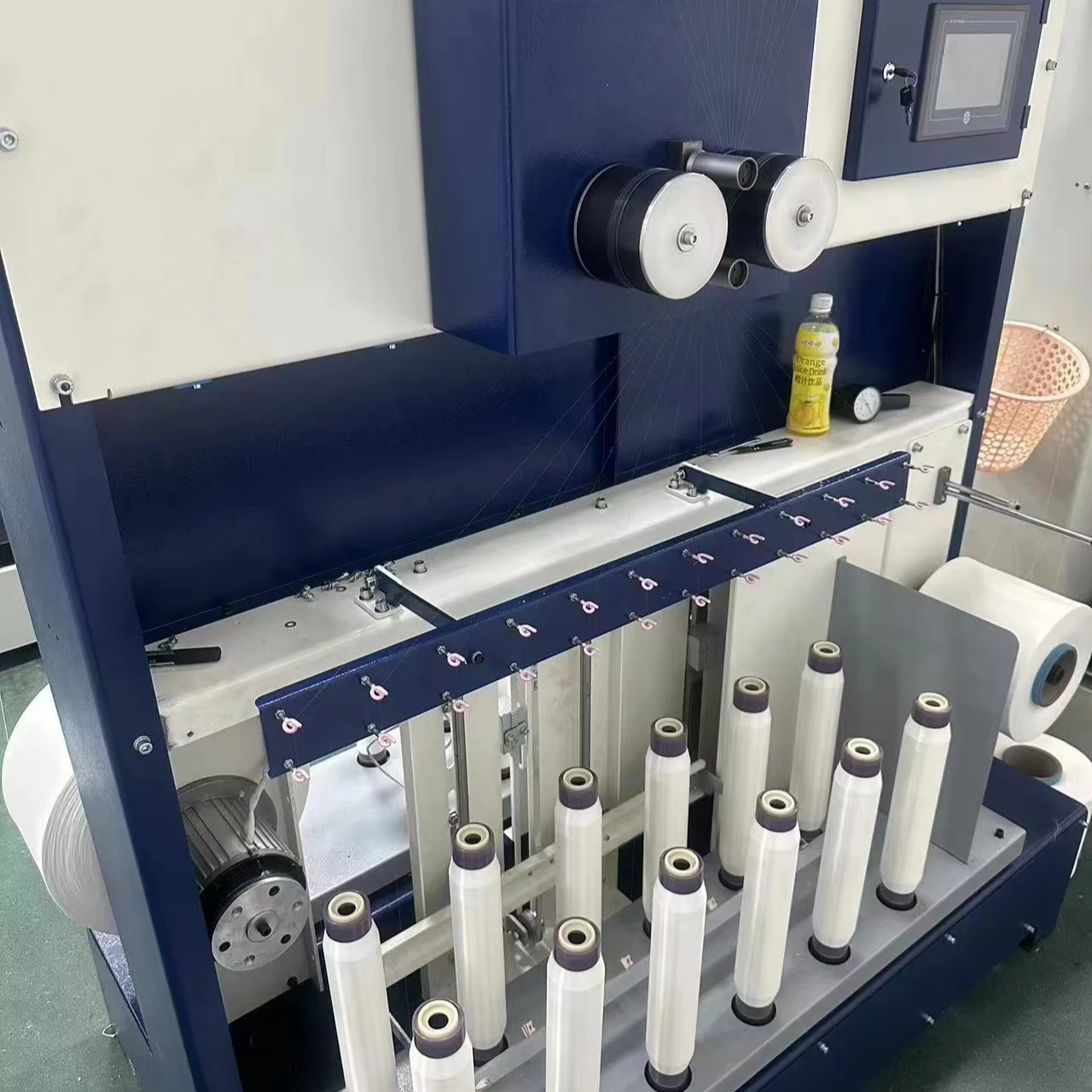
sectional mother yarn sectional warping machinewarping machine produce even tension beams with 550m/mins speed nylon mother yarn. also invented the first machine make polyester dty mother yarn.products are simple install, easy to set up, and easy to operate, have no demands on workers.
company was founded the year 2013. In the last eleven years, we've sold 300 sets of items remain the leading company in sales till today. company a polyester monofilamentfirm that designs, produces and sells split warping equipment and yarn. manufacturing team brimming with professional skills and experience.

SUZHOU Y.S.D TEXTILE COMPANY IA LOCATED IN SUZHOU PINGWANG TOWN, WITH 30000m2 OF MACHINE PRODUCTION WORKSHPOP, ALSO HAVE 20000m2 OF NYON/ POLYESTER PRODUCTION WORKSHOP.
No.12 Nanyue Road Pingwang Town Wujiang Suzhou City Jiangsu Province China.
Copyright © Y.S.D.TEXTILE All Rights Reserved Privacy Policy
 EN
 FR
 DE
 EL
 IT
 JA
 KO
 RO
 RU
 ES
 ID
 UK
 VI
 TH
 TR
 BN
 NE