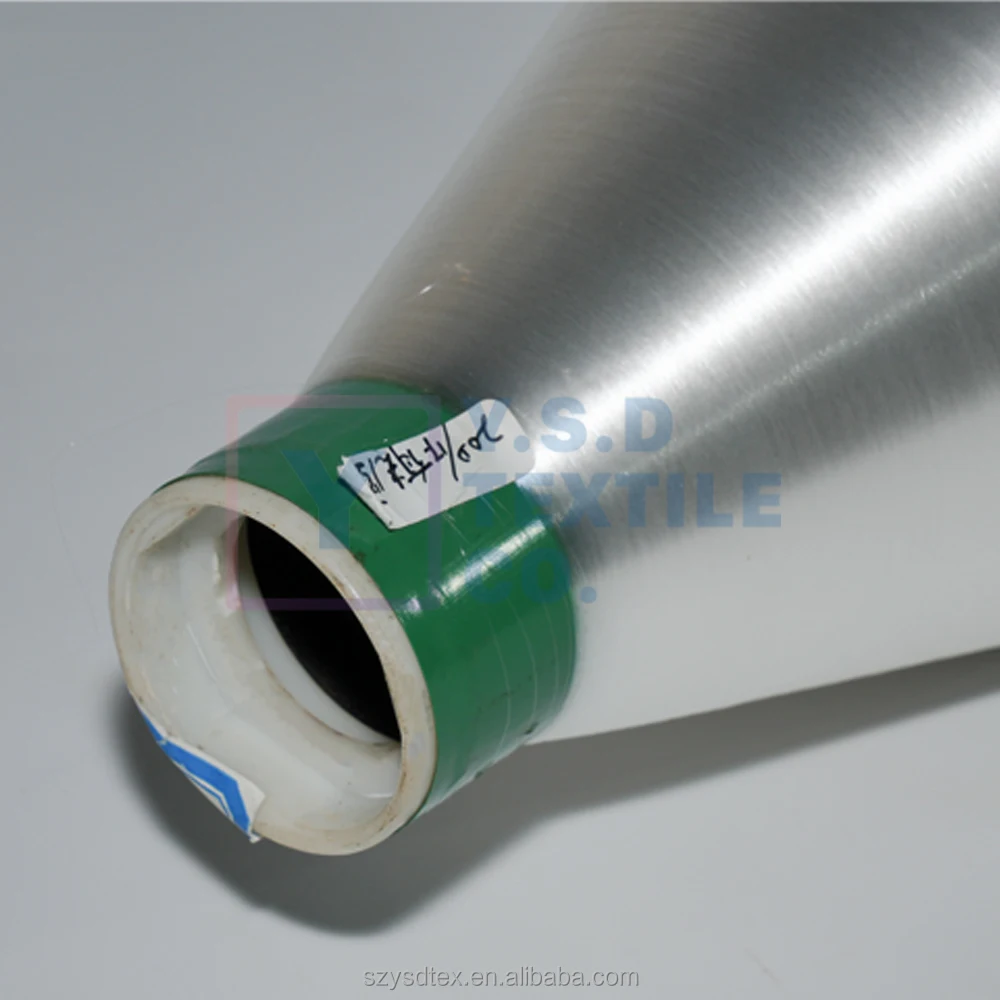
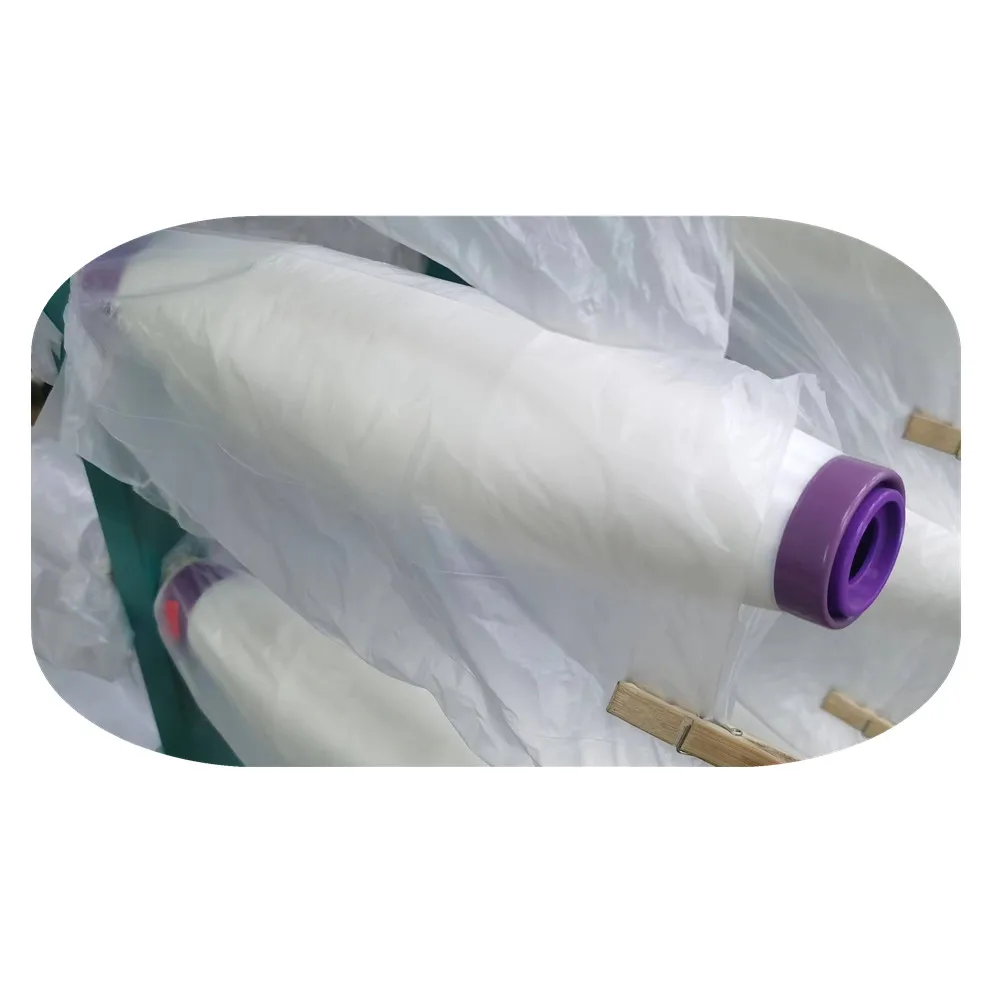
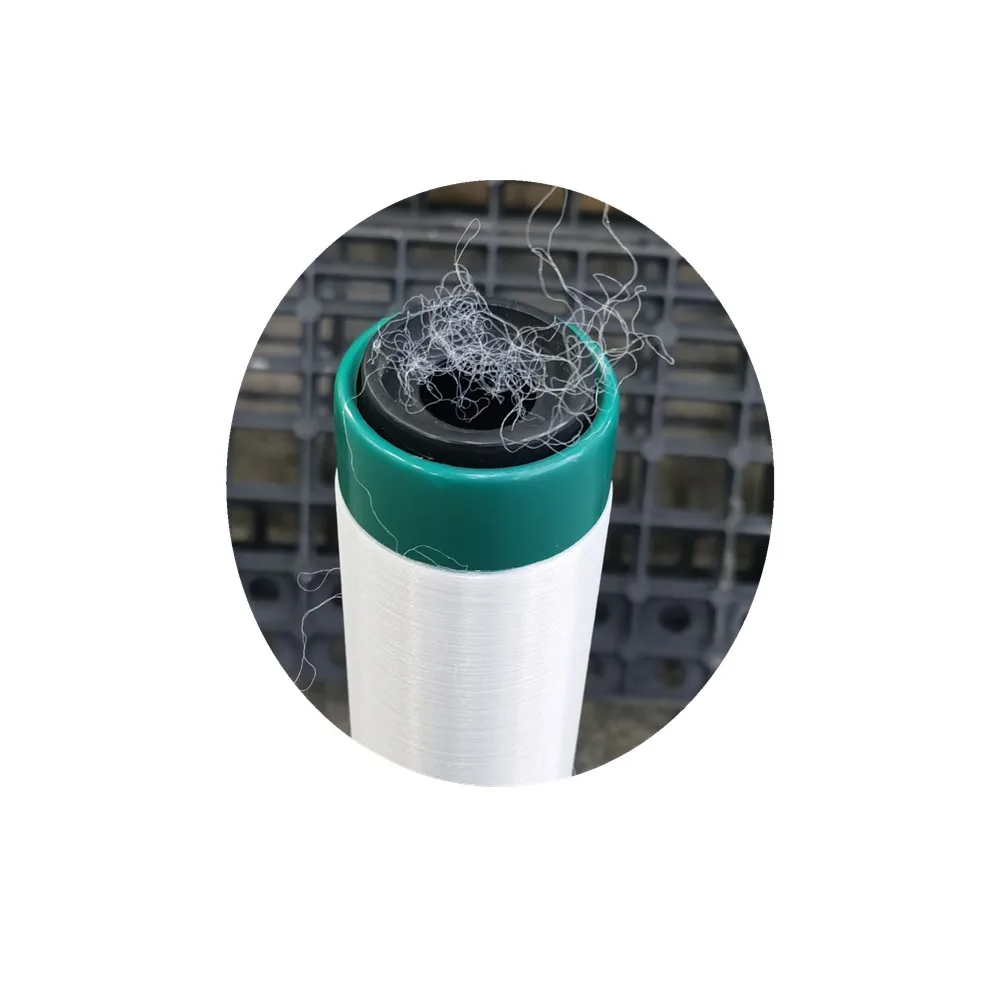
Japan monofilament nylon is a specialized product widely utilized across various industrial applications due to its strength, durability, and versatility. For B2B buyers, key concerns often revolve around quality, specifications, and the suitability of the material for specific applications. This article will provide a comprehensive overview of Japan nylon monofilament, including its key specifications, quality evaluation criteria, common applications, installation guidelines, and potential issues along with their solutions.
When considering Japan monofilament nylon, several key specifications are crucial for ensuring the material meets your operational requirements. First, the diameter of the monofilament is significant as it affects the strength and flexibility of the yarn. Typical diameters range from 0.1 mm to 2.0 mm, depending on the application.
Another important specification is the tensile strength, which indicates how much force the yarn can withstand before breaking. This is particularly critical in applications that require high durability, such as fishing lines and industrial nets. A higher tensile strength (measured in grams per denier) usually translates to better performance.
The chemical resistance of the nylon is another essential factor. Japan monofilament nylon generally exhibits good resistance to oils, UV light, and various chemicals, making it suitable for outdoor applications. Additionally, the yarn's surface finish can influence its performance; a smooth finish may reduce friction during weaving, while a textured finish can enhance grip in applications like sports nets.
Lastly, the color and dyeability of the monofilament nylon are important for aesthetic applications. Custom colors can often be produced upon request, allowing for tailored solutions based on client specifications.
Evaluating the quality of Japan monofilament nylon involves several steps that go beyond simply looking at the specifications. First, it is advisable to request samples before placing a bulk order. This enables you to inspect the texture, tensile strength, and overall appearance of the yarn.
Next, consider the manufacturing process. High-quality manufacturers, like Suzhou YSD Textile Co., Ltd., utilize advanced machinery and maintain strict quality control processes throughout production. Inquire about the production equipment used and any certifications that the manufacturer holds, which can be indicators of quality standards.
It's also essential to check for consistency in the product. Variations in diameter, tensile strength, or color can affect the final application. Therefore, buyers should conduct batch tests to ensure uniformity across different orders. Lastly, customer feedback and case studies can provide insights into the product's performance in real-world applications, helping you make an informed decision.
Japan monofilament nylon is widely used in various industrial applications due to its unique properties. One of the primary uses is in the production of fishing lines, where its high tensile strength and resistance to abrasion are critical.
Another significant application is in the textile industry, where monofilament nylon is used for manufacturing nets, filters, and other woven products. Its lightweight yet durable nature makes it ideal for applications that require both strength and flexibility.
In agriculture, monofilament nylon is utilized for creating protective nets and greenhouse structures, contributing to crop protection against pests and environmental factors. Additionally, it is used in the automotive industry for components like seat belts and airbags, where strength and reliability are paramount.
Lastly, Japan monofilament nylon finds usage in decorative applications, such as in crafting and fashion, where its ability to be dyed in various colors enhances aesthetic appeal.
When installing Japan monofilament nylon in textile projects, following specific guidelines can ensure optimal performance. First, assess the compatibility of the nylon with the other materials being used in the project. For instance, ensure that the monofilament is suitable for the machinery involved in the weaving or stitching process.
Next, maintain proper tension during installation to prevent breakage or misalignment. An incorrectly tensioned yarn can lead to uneven fabric and compromise the integrity of the final product.
Before full-scale installation, conduct a trial run using a small batch to identify any potential issues related to machine settings or material compatibility.
Finally, consider environmental factors such as humidity and temperature, as these can influence the material's performance. Proper storage of the nylon monofilament yarn before installation is also crucial; it should be kept in a dry, cool place to prevent degradation.
sectional mother yarn sectional warping machinewarping machine produce even tension beams with 550m/mins speed nylon mother yarn. also invented the first machine make polyester dty mother yarn.products are simple install, easy to set up, and easy to operate, have no demands on workers.
factory team has been customer-focused are aware that customer wants Direct warping machineis the key for the success of business. They pay attention their the voice customers and optimise production service to meet their expectations needs.
company was founded the year 2013. In the last eleven years, we've sold 300 sets of items remain the leading company in sales till today. company a polyester monofilamentfirm that designs, produces and sells split warping equipment and yarn. manufacturing team brimming with professional skills and experience.
have been providing yarn and machines more than 12 years. We have -quality research and development department. continuously upgrade our technology. also have a 20,000m2 nylon/polyester production workshop. team is dedicated to supplying machines that of the best quality. Each member of our team is on the job and mother yarn warping splitfor all their job. truly hope that our expertise and technology will bring you a greater quality of work.

SUZHOU Y.S.D TEXTILE COMPANY IA LOCATED IN SUZHOU PINGWANG TOWN, WITH 30000m2 OF MACHINE PRODUCTION WORKSHPOP, ALSO HAVE 20000m2 OF NYON/ POLYESTER PRODUCTION WORKSHOP.
No.12 Nanyue Road Pingwang Town Wujiang Suzhou City Jiangsu Province China.
Copyright © Y.S.D.TEXTILE All Rights Reserved Privacy Policy
 EN
 FR
 DE
 EL
 IT
 JA
 KO
 RO
 RU
 ES
 ID
 UK
 VI
 TH
 TR
 BN
 NE