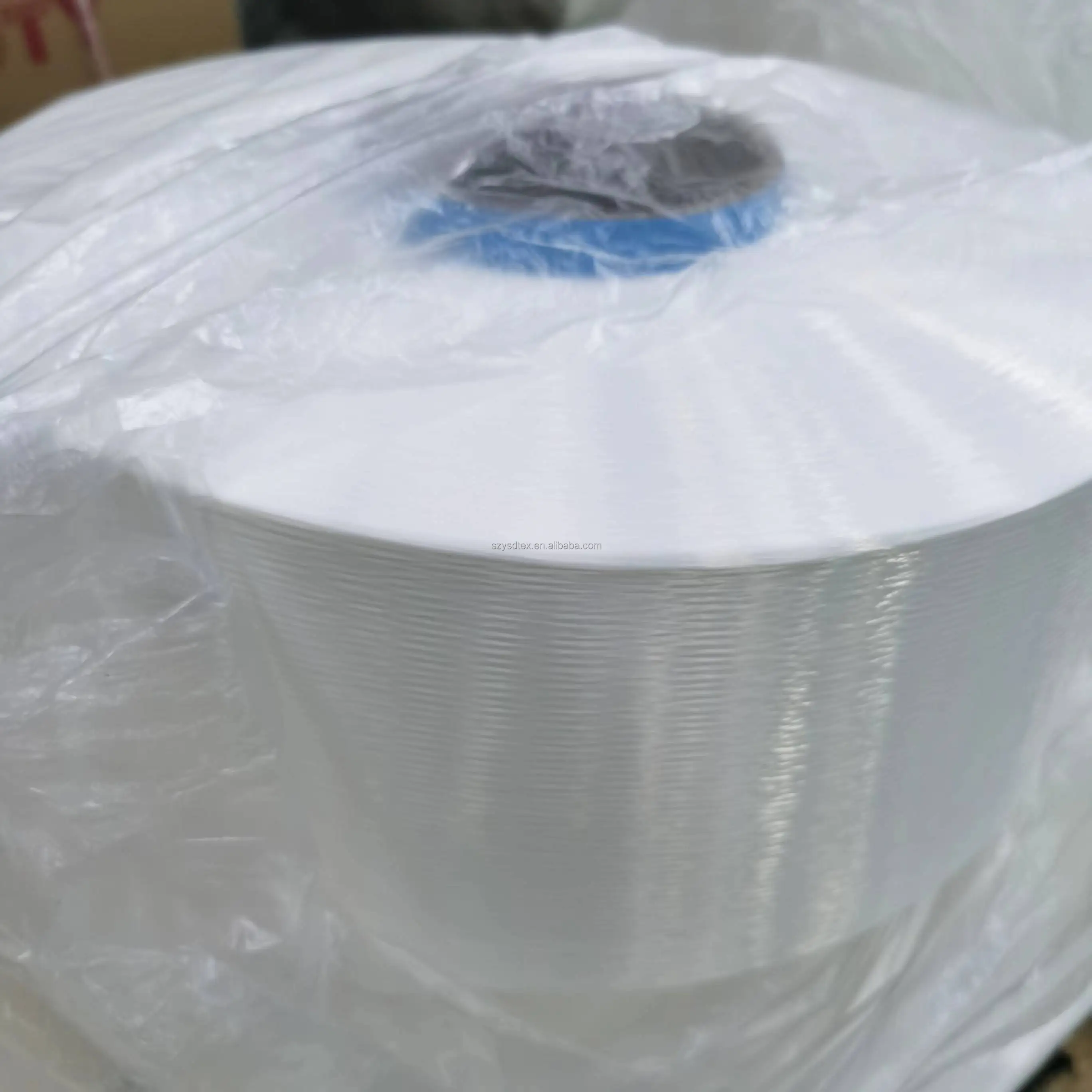
Understanding the polyester yarn price in India is crucial for manufacturers, distributors, and purchasing managers involved in the textile industry. This article aims to address common buyer concerns regarding pricing, specifications, and application suitability for dyed polyester yarn. By exploring the factors that influence pricing and comparing options for wholesale orders, readers will gain valuable insights that will assist in making informed purchasing decisions.
Several factors contribute to the pricing of polyester yarn in India. One of the primary influences is the cost of raw materials. As polyester is derived from petrochemical products, fluctuations in crude oil prices can directly impact price of polyester yarn. Additionally, the quality and specifications of the yarn—such as denier, tensile strength, and color—also play a significant role. Higher quality yarns typically command a higher price due to their superior performance and durability.
Another factor is the manufacturing process itself. The technology used in production, such as the efficiency of the spinning and dyeing processes, can affect both the cost and quality of the finished product. Companies like profixM employ advanced machinery, ensuring consistent quality and production efficiency, which can influence pricing competitiveness in the market.
Market demand and supply dynamics also dictate prices. During peak seasons, increased demand can lead to higher prices, while lower demand may result in price reductions. Furthermore, competition among manufacturers can lead to price variations, so it’s essential for buyers to compare quotes from multiple suppliers.
When comparing profixM polyester yarn prices for wholesale orders, buyers should consider several critical factors. First, it's important to request detailed quotations that specify the yarn type, specifications, and any additional services such as dyeing or custom packaging. This transparency helps in making accurate price comparisons.
Buyers should also inquire about the minimum order quantity (MOQ). Lower MOQs can sometimes lead to higher prices per unit, so understanding the pricing structure at different order volumes is essential. Additionally, it's wise to evaluate the pricing based on total landed cost, which includes shipping, taxes, and any tariffs applicable to the destination country.
To ensure quality and reliability, request samples before placing large orders. Testing the samples for tensile strength, colorfastness, and compatibility with your manufacturing processes can prevent costly mistakes down the line. A reliable supplier should be willing to accommodate sample requests and provide necessary documentation regarding material specifications.
When assessing polyester yarn for specific projects, it is crucial to consider the intended application. Different projects may require varying specifications, such as specific denier counts, color options, and performance characteristics. For example, yarn intended for high-stress applications, like outdoor fabrics, must have high tensile strength and UV resistance.
Additionally, evaluating the yarn’s compatibility with existing manufacturing processes is essential. For instance, if using high-speed knitting or weaving machines, ensure that the yarn's texture and strength align with the machine's capabilities. Consulting with suppliers about these compatibility aspects can help avoid production complications.
Quality control is another significant consideration. Establishing clear quality benchmarks and understanding the supplier's quality assurance practices can help ensure that the yarn meets your project standards. Working with reputable manufacturers, such as those with established quality management systems, can further mitigate risks related to product performance.
Proper installation and handling of polyester yarn in manufacturing processes are vital for ensuring optimal performance and product quality. Before beginning production, confirm that the yarn is compatible with the machinery being used. Factors such as the yarn’s diameter and twist can affect how it feeds through machines, impacting production efficiency.
It's also advisable to maintain consistent tension during the winding and weaving processes to prevent issues such as yarn breakage or uneven fabric appearance. Training the production team on proper handling techniques can greatly reduce waste and ensure a smoother operational flow.
Furthermore, consider the environmental conditions of the manufacturing area. Polyester yarn can be sensitive to humidity and temperature changes, so maintaining stable conditions can help preserve its integrity throughout the production process.
manufacturing team has always been customer-focused, they know that customer demands high speed sectional split warping machineare essential for the success of the company. actively listen to the opinions customers, and optimise production service to meet their expectations requirements.
supply yarn and machine more than 12 years and are a top research development department. continue new polyester monofilamentupgrade. also have 30,000m2 of machine production workshop 20,000m2 of nylon/polymer production workshop.Our team is dedicated providing you with the highest quality machines. Every member our team is responsible for the work they do. We sincerely hope that our technology and efforts can help you achieve greater quality of work.
products simple to install, set up high speed sectional split warping machine.
company was High speed splitting warping machinein the year 2013. have sold 300 products over the last 11 years, we are the market top player. Our business a niche company that designs, manufactures sells split-warping equipment and yarn. team of factory workers is extremely skilled experienced.

SUZHOU Y.S.D TEXTILE COMPANY IA LOCATED IN SUZHOU PINGWANG TOWN, WITH 30000m2 OF MACHINE PRODUCTION WORKSHPOP, ALSO HAVE 20000m2 OF NYON/ POLYESTER PRODUCTION WORKSHOP.
No.12 Nanyue Road Pingwang Town Wujiang Suzhou City Jiangsu Province China.
Copyright © Y.S.D.TEXTILE All Rights Reserved Privacy Policy
 EN
 FR
 DE
 EL
 IT
 JA
 KO
 RO
 RU
 ES
 ID
 UK
 VI
 TH
 TR
 BN
 NE