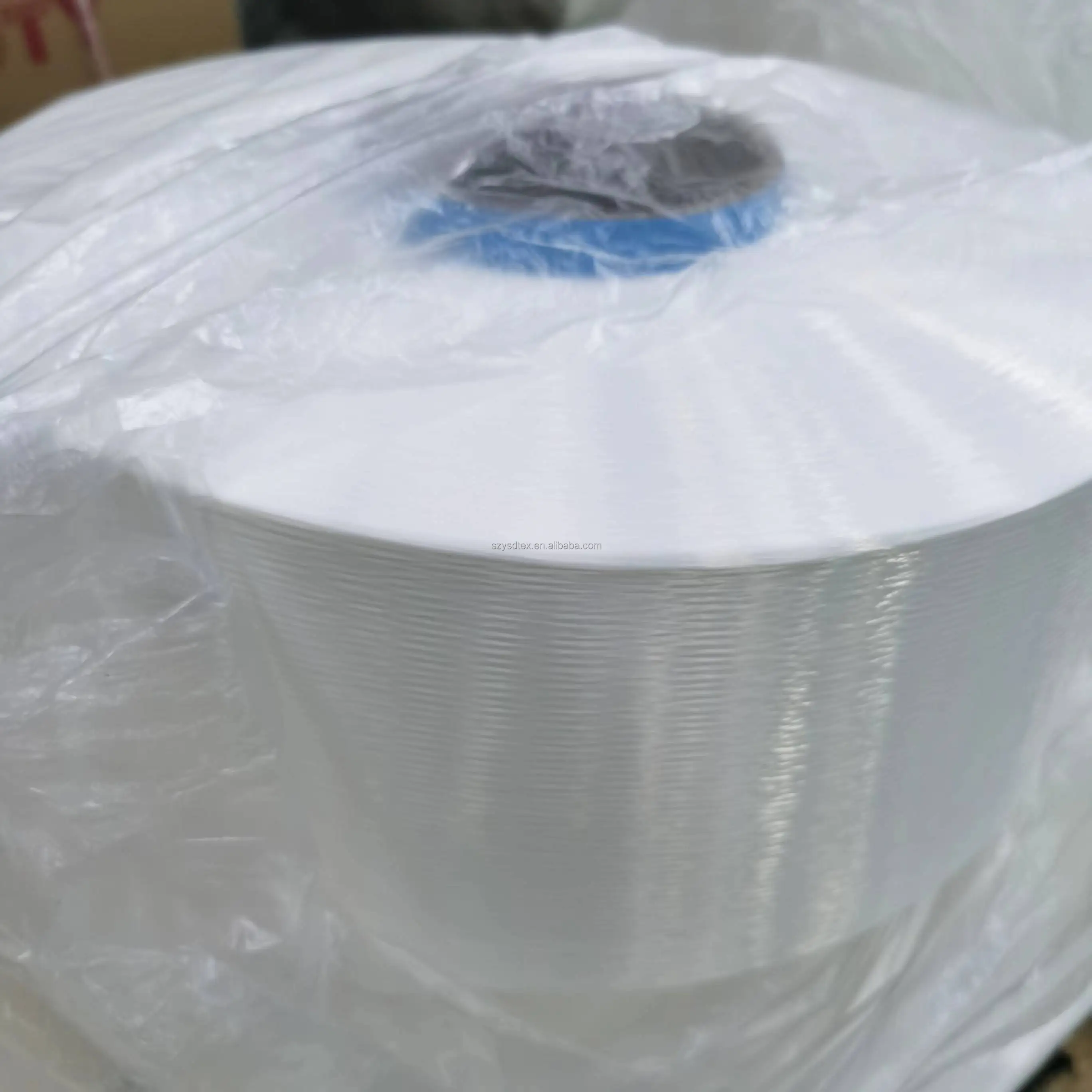
Polyester monofilament yarn is a versatile material widely used in various applications, ranging from textiles to industrial components. As a B2B buyer in India, understanding the key specifications, quality indicators, and potential issues related to polyester monofilament yarn is crucial for making informed purchasing decisions. This article will delve into the essential aspects of polyester monofilament yarn, addressing common buyer concerns and providing practical insights to guide you through the selection process.
When evaluating polyester monofilament yarn, several key specifications are essential to consider
Diameter: The diameter of the yarn, typically measured in microns or millimeters, affects its strength, flexibility, and application suitability. Thicker yarns may offer greater strength but can be less flexible, impacting their use in delicate fabric applications
Tensile Strength: This measurement indicates the maximum stress the yarn can withstand while being stretched. A higher tensile strength is critical for applications requiring durability, such as outdoor textiles or industrial uses
Elongation: Elongation percentage defines how much the yarn can stretch before breaking. High elongation values are beneficial for applications that involve movement or stretching, such as in sportswear or upholstery
Color Fastness: This specification indicates how well the yarn retains its color when exposed to various elements like light, washing, or rubbing. High color fastness is vital for maintaining the aesthetic quality of finished fabrics
Finish Type: The finish applied to polyester monofilament yarn can affect its properties, such as texture and water resistance. Types of finishes include Mercerization, which enhances luster and dye uptake, and anti-static treatments that reduce static cling
Understanding these specifications allows buyers to select the right polyester monofilament yarn tailored to their specific application needs
Evaluating the quality of polyester monofilament yarn involves several important steps
Sample Testing: Always request samples before placing a bulk order. This allows you to assess the yarn’s performance in your specific application. Check for consistency in diameter and tensile strength, and conduct tests for color fastness and elongation
Supplier Reputation: Research the supplier's reputation in the industry. Look for reviews, testimonials, and case studies that demonstrate their experience and reliability. A reputable supplier, like Suzhou YSD Textile Co., Ltd., should have a proven track record of delivering consistent quality
Certifications and Standards: Verify if the yarn meets relevant industry standards. Certifications such as ISO 9001 can indicate adherence to quality management practices. This ensures that the yarn has undergone rigorous quality control processes during manufacturing
Quality Control Processes: Inquire about the supplier’s quality control measures. A robust quality assurance program should include checks at various stages of production, ensuring that only high-quality yarn reaches the market
Technical Documentation: Request technical data sheets that outline the yarn's specifications, testing results, and recommended applications. This documentation can provide valuable insights into the yarn's performance and suitability for your projects
By following these steps, buyers can effectively assess the quality of polyester monofilament yarn and make informed purchasing decisions
Selecting the right supplier for polyester monofilament yarn manufacturers in india is as important as choosing the right product. Here are some factors to consider when comparing suppliers
Product Range: Evaluate the variety of polyester monofilament yarns offered by each supplier. A broader range allows for more customization and flexibility in meeting your specific requirements
Customization Capabilities: Consider whether the supplier can accommodate special requests, such as unique colors, diameters, or finishes. Customization can be crucial for applications with specific performance or aesthetic needs
Production Capacity: Assess the supplier's production capabilities to ensure they can meet your order volume and delivery deadlines. A supplier with adequate capacity can handle both small and large orders efficiently
Lead Times: Inquire about typical lead times for both samples and bulk orders. Timely delivery is vital, especially for businesses with strict project timelines
Customer Support: Evaluate the level of customer service provided by the supplier. Effective communication, responsiveness to inquiries, and assistance during the ordering process can significantly enhance your purchasing experience
Pricing Structure: Compare pricing not just on a unit basis but also consider bulk discounts, shipping costs, and payment terms. A lower price may not always guarantee the best value if quality or service is compromised
Taking the time to compare these factors can help you find a supplier that aligns with your project needs and expectations
While polyester monofilament yarn is generally reliable, several common problems can arise during its use. Understanding these issues can help buyers take proactive measures
Inconsistent Thickness: Variations in diameter can lead to uneven fabric textures or compromised strength. To mitigate this, ensure you request samples and verify consistency in thickness before mass production
Weak Points: Poor tensile strength can result in breakage during use. Conduct tensile strength tests on samples to ensure they meet your application’s requirements. If necessary, choose a yarn with higher strength specifications
Color Fading: Inadequate color fastness can lead to fading over time. Test color samples under various conditions to confirm durability and inquire about the dyeing process used by the manufacturer to ensure optimal color retention
Static Cling: Polyester is prone to static buildup, which can be problematic in certain applications. Consider requesting anti-static treatments or coatings to minimize this issue
Poor Adhesion: When used in composite materials, yarns may experience poor adhesion with resins or other materials. Conduct compatibility tests to ensure that the selected yarn adheres well in your specific application
By being aware of these common problems and their solutions, buyers can prevent potential issues and ensure the successful use of polyester monofilament yarn in their projects
sectional mother yarn sectional warping machinewarping machine produce even tension beams with 550m/mins speed nylon mother yarn. also invented the first machine make polyester dty mother yarn.products are simple install, easy to set up, and easy to operate, have no demands on workers.
The factory team a customer-focused organization sectional split mother yarn warping machinethat the performance of organization is dependent on satisfaction and requirements of customers. customers are frequently listened to, and production and services are adapted meet the needs customers. expectations needs.
company was established 2013. In the last 11 years, have sold 300 sets of products and the market leader in sales till today. Our company a specialist firm that designs, produces sells split-warping machines and yarn. sectional mother yarn warping machinestaff has practical skills and knowledge.
supply yarn and machine more than 12 years and are a top research development department. continue new sectional mother yarn warping machineupgrade. also have 30,000m2 of machine production workshop 20,000m2 of nylon/polymer production workshop.Our team is dedicated providing you with the highest quality machines. Every member our team is responsible for the work they do. We sincerely hope that our technology and efforts can help you achieve greater quality of work.

SUZHOU Y.S.D TEXTILE COMPANY IA LOCATED IN SUZHOU PINGWANG TOWN, WITH 30000m2 OF MACHINE PRODUCTION WORKSHPOP, ALSO HAVE 20000m2 OF NYON/ POLYESTER PRODUCTION WORKSHOP.
No.12 Nanyue Road Pingwang Town Wujiang Suzhou City Jiangsu Province China.
Copyright © Y.S.D.TEXTILE All Rights Reserved Privacy Policy
 EN
 FR
 DE
 EL
 IT
 JA
 KO
 RO
 RU
 ES
 ID
 UK
 VI
 TH
 TR
 BN
 NE