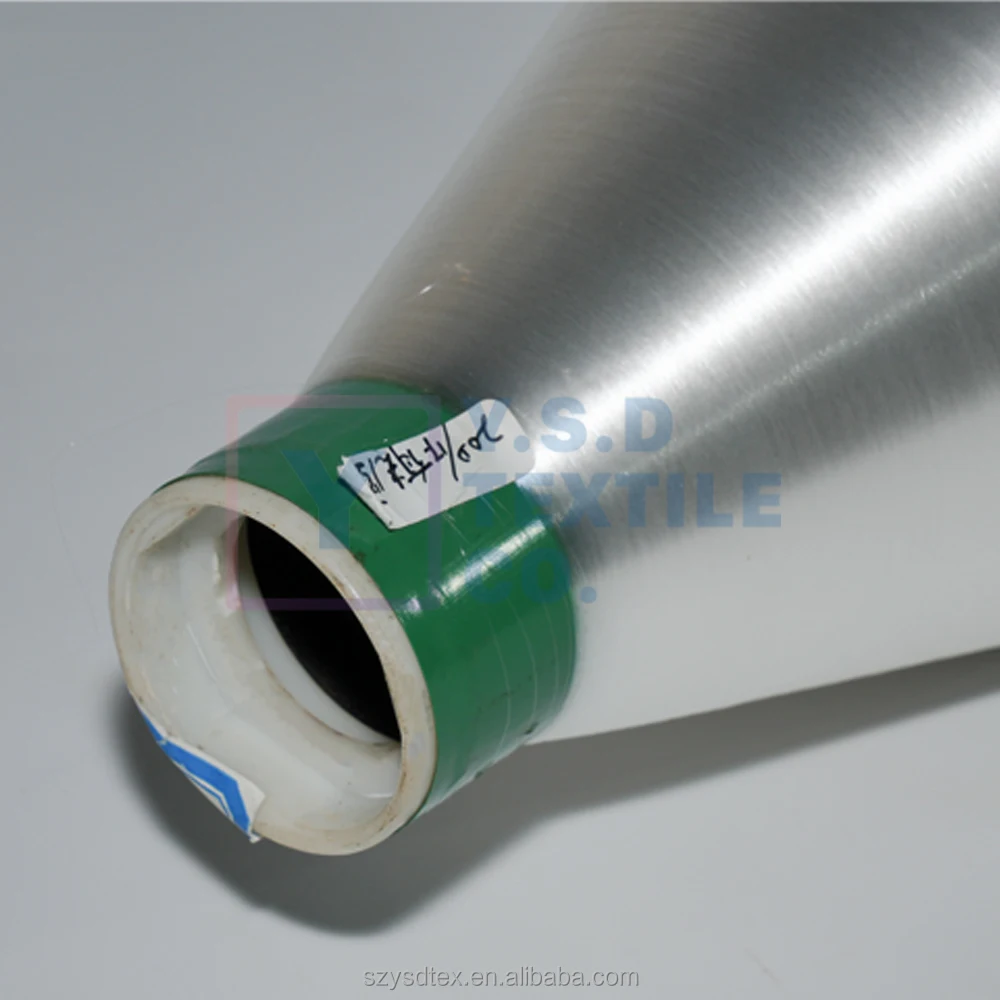
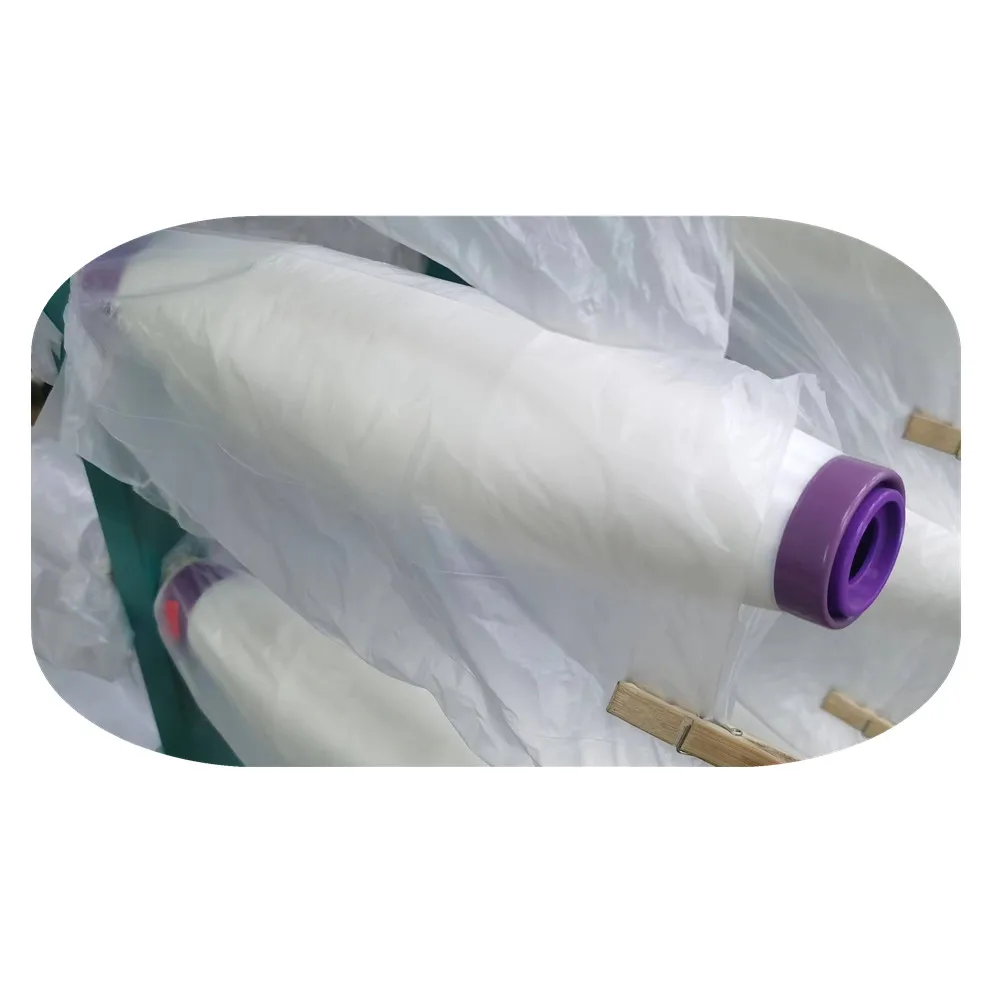
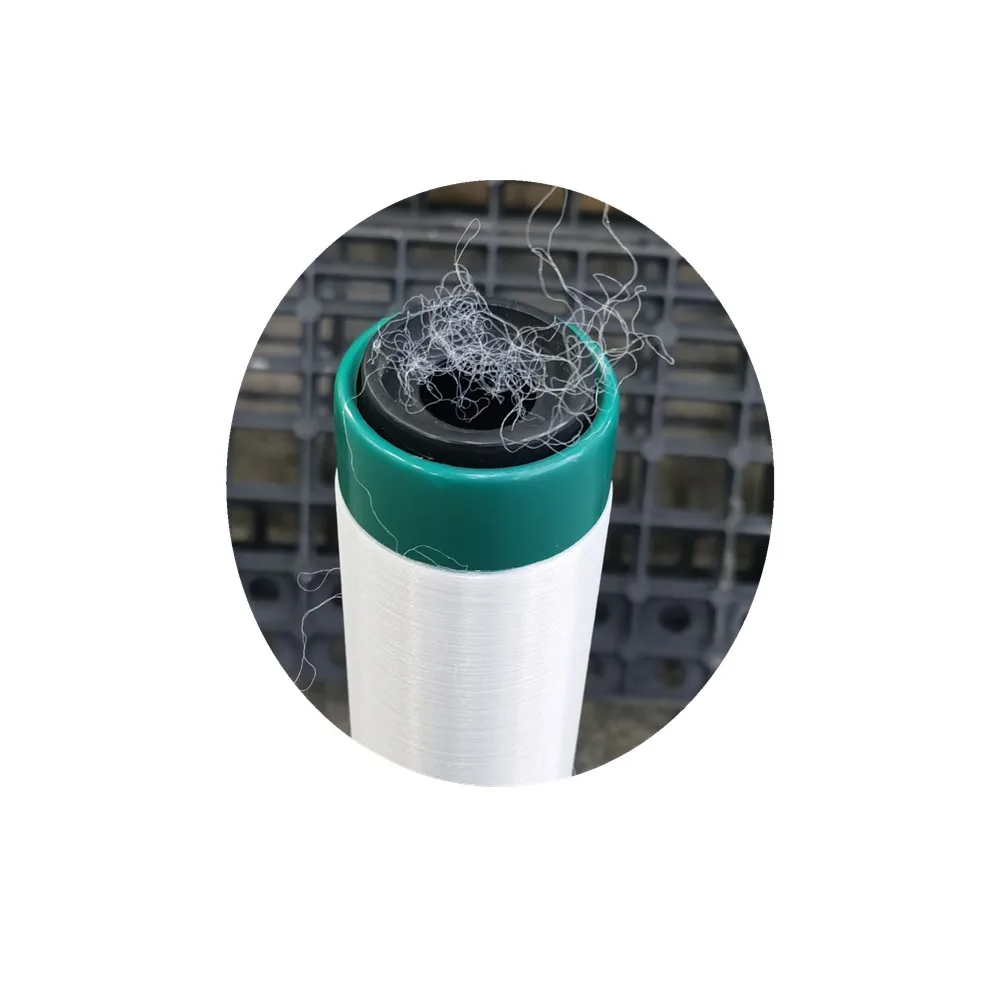
Thick monofilament is a versatile and essential material used in various industries, particularly in textiles and manufacturing. As a B2B buyer, understanding the specifications, applications, and purchasing considerations for thick monofilament can significantly impact your project’s success. This article aims to address common buyer concerns by providing detailed insights into thick monofilament yarn products, helping you make informed decisions when sourcing these materials.
When ordering thick monofilament, several key specifications must be considered to ensure the product meets your application requirements. These include:
Material Composition: Thick monofilaments are typically made from nylon or polyester. Nylon offers higher tensile strength and abrasion resistance, making it suitable for demanding applications. Polyester, on the other hand, is known for its UV resistance, making it ideal for outdoor use.
Diameter and Thickness: The diameter of the best monofilament affects its strength and flexibility. Common diameters range from 0.2 mm to 2 mm. Selecting the appropriate thickness is crucial, as it directly impacts the performance in applications such as weaving, sewing, or reinforcement.
Tensile Strength: This specification indicates how much force the monofilament can withstand before breaking. Higher tensile strength is essential for applications requiring durability, such as fishing lines or load-bearing textiles.
Color and Finish: Monofilament can come in various colors and finishes. Depending on your application, you may need specific colors for aesthetic reasons or finishes that provide additional properties like UV resistance or anti-static capabilities.
Packaging and MOQ: Understanding the minimum order quantity (MOQ) and packaging options is also essential. Manufacturers like Suzhou YSD Textile Co., Ltd. may offer bulk packaging options, which can be more cost-effective for large orders.
By verifying these specifications before placing a bulk order, you can ensure that the monofilament meets your project needs.
The cost of thick monofilament can vary significantly based on several factors:
Material Choice: The type of material (nylon vs. polyester) will influence pricing. Nylon tends to be more expensive due to its superior properties, while polyester may offer a more economical option for less demanding applications.
Diameter and Length: Thicker monofilaments typically cost more due to the increased material usage. Additionally, longer lengths may lead to higher costs, but bulk purchasing can often yield discounts.
Customization: Customizing monofilament for specific applications, such as unique colors or finishes, can also increase costs. It’s essential to balance the need for customization with your budget constraints.
Quantity Ordered: Larger orders usually result in lower per-unit costs. Manufacturers often provide discounts for bulk purchases, making it advantageous to assess your projected needs accurately.
Shipping and Logistics: Consideration of shipping costs, especially for international orders, can affect the overall budget. Ensure you factor in these expenses when comparing suppliers.
By understanding these cost factors, you can better evaluate your options and make strategic purchasing decisions.
Thick monofilament finds applications across a variety of industries, each benefiting from its unique properties:
Textiles and Apparel: In the textile industry, thick monofilament is often used for sewing and stitching, providing durability and strength in garments and accessories.
Fishing and Aquaculture: The fishing industry utilizes thick nylon monofilament for fishing lines and nets, where high tensile strength and abrasion resistance are critical.
Construction and Manufacturing: In construction, monofilament is used in reinforcement materials and geotextiles, providing structural integrity and load-bearing capabilities.
Agriculture: Thick monofilament is used in agricultural applications for netting and fencing, protecting crops while allowing sunlight and moisture to permeate.
Medical Devices: In the medical field, specialized thick monofilaments are used for sutures and other applications where biocompatibility and reliability are crucial.
Understanding these applications can help you identify the right type of thick monofilament for your specific needs.
Selecting the appropriate thick monofilament requires careful consideration of several factors:
Application Requirements: Start by assessing the specific requirements of your application. Consider factors like load-bearing needs, environmental exposure (UV, moisture), and flexibility.
Material Properties: Choose between nylon and polyester based on your application. For instance, if you need enhanced strength and durability, nylon might be the better option. Conversely, if UV resistance is a priority, polyester may be more suitable.
Testing and Samples: Before committing to a bulk order, request samples from potential suppliers. This allows you to test the monofilament under actual operating conditions, confirming that it meets your performance expectations.
Manufacturer Reputation and Quality Control: Evaluate the reputation of the manufacturer. Look for companies with strong quality control processes, as this can significantly affect the reliability of the product.
Customization Options: If your application requires specific colors or finishes, discuss these customization capabilities with the supplier. Ensure they can meet your specifications without significant delays.
By following these guidelines, you can confidently select the right thick monofilament for your project.
offer yarn and equipment over 12 Years and have top-quality sectional warping machinedevelopment department. We are constantly upgrading technology. We also have a 20,000m2 nylon/polyester production facility. Our team is dedicated to providing machines of the highest quality. Every employee accountable for their own work. We truly hope that our technology efforts will yield better works.
factory team is extremely customer-centric recognizes that the success a business is dependent on the needs satisfaction of its customers. They sectional warping machinelisten the voice of customers and enhance their service production in order satisfy their requirements and expectations.
company was founded in year 2013. In the last eleven years, have sold over 300 sets of products and Direct warping machinethe leader in sales to day. Our company a specialist business that develops, manufactures, sells split warping equipment and yarn. team at our factory is skilled and knowledgeable.
products mother yarn warping splitto install, set up operate.

SUZHOU Y.S.D TEXTILE COMPANY IA LOCATED IN SUZHOU PINGWANG TOWN, WITH 30000m2 OF MACHINE PRODUCTION WORKSHPOP, ALSO HAVE 20000m2 OF NYON/ POLYESTER PRODUCTION WORKSHOP.
No.12 Nanyue Road Pingwang Town Wujiang Suzhou City Jiangsu Province China.
Copyright © Y.S.D.TEXTILE All Rights Reserved Privacy Policy
 EN
 FR
 DE
 EL
 IT
 JA
 KO
 RO
 RU
 ES
 ID
 UK
 VI
 TH
 TR
 BN
 NE