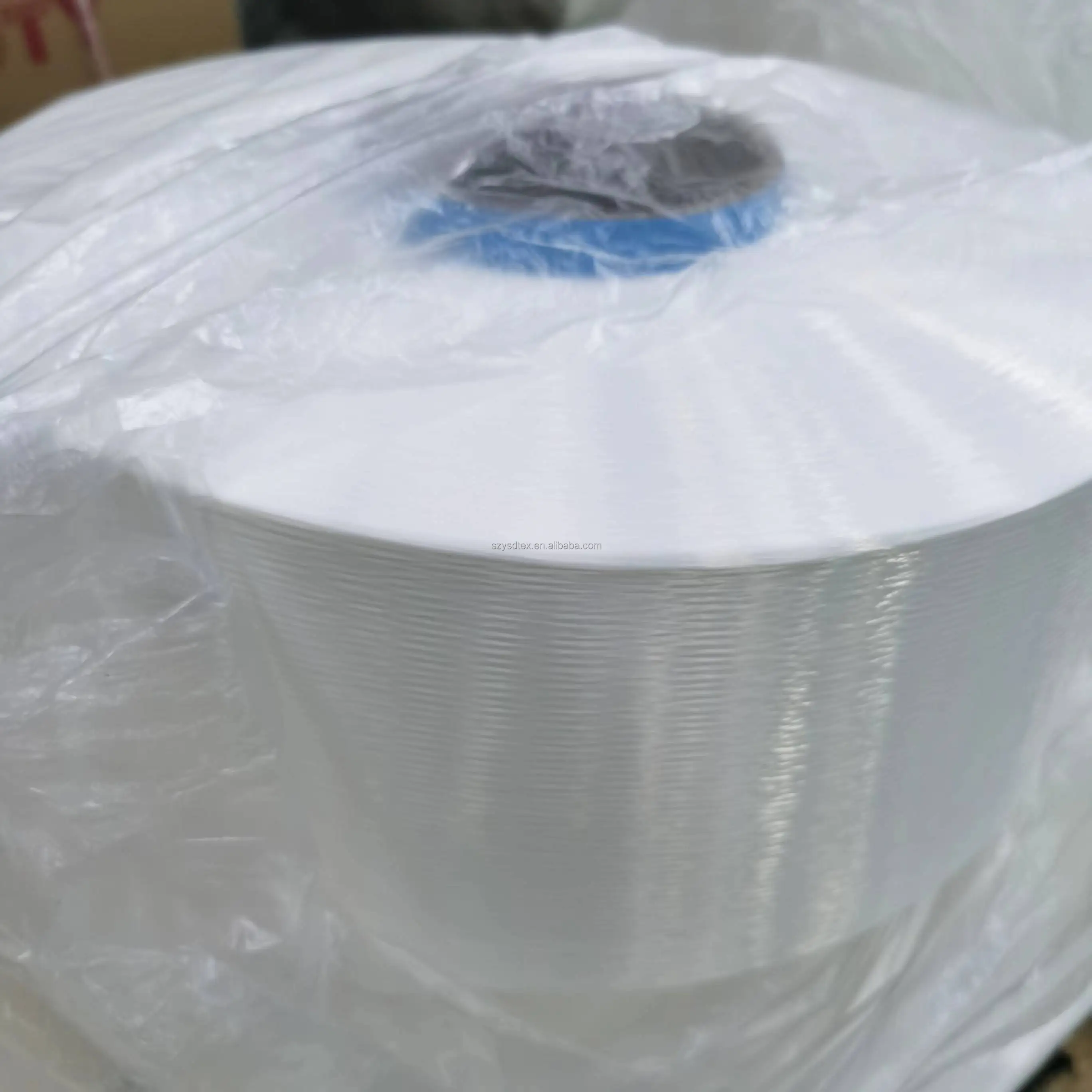
Indian organza fabric, known for its sheer and lightweight properties, is a popular choice in various applications within the textile industry. As B2B buyers, purchasing managers, and product managers consider sourcing options, they often seek reliable suppliers that can provide quality materials at competitive prices. This article will guide you through where to find trustworthy suppliers, how to evaluate product quality, common challenges associated with profixM organza fabric, and essential installation guidance to ensure optimal manufacturing results.
Finding trustworthy suppliers of Indian organza fabric involves a few strategic approaches. First, consider attending textile trade shows and exhibitions, which often feature a wide range of manufacturers showcasing their products, including organza. Engaging with suppliers directly can help you assess their capabilities and product offerings.
Online marketplaces and industry-specific platforms also serve as valuable resources. Websites like Alibaba, IndiaMart, and textile directories can connect you with manufacturers. However, it's essential to perform due diligence by checking supplier reviews, requesting samples, and verifying their production capabilities.
Additionally, tapping into industry networks or associations can provide referrals to reputable suppliers. Engaging with local textile associations in India can give you insights into manufacturers known for high-quality organza fabric.
When assessing the quality of Indian organza fabric, several critical specifications should be evaluated:
Material Composition: Ensure that the fabric is made from high-quality silk, polyester, or nylon blends. The choice of material affects durability, drape, and overall appearance.
Weave Density and Texture: Look for a tight weave with a consistent texture. A good-quality organza should have a smooth finish without snags or irregularities.
Weight: The weight of the fabric is crucial for its intended use. Lighter organza is suitable for overlays and decorative applications, while heavier options may be better for structured garments.
Color Fastness: Verify that the fabric has undergone testing for color fastness to ensure it retains its hue when exposed to light and washing.
Certification: Check for certifications that indicate compliance with industry standards, such as OEKO-TEX or ISO certifications, which can ensure that the profixM silk organza fabric is free from harmful substances.
Requesting samples to conduct a physical inspection can aid in evaluating these aspects. Consider how the fabric feels, looks, and behaves under different conditions to make a well-informed purchasing decision.
While Indian organza fabric is admired for its aesthetic appeal, several common issues can arise during sourcing and manufacturing:
Wrinkling: Organza is prone to wrinkling, which can affect the final product's presentation. To mitigate this, consider implementing proper storage and handling techniques, such as rolling the fabric instead of folding it.
Delicate Nature: The sheer quality of organza makes it susceptible to tearing. When using for applications such as garments or home decor, ensure that the fabric is handled gently and that seams are reinforced properly.
Color Variability: Batch-to-batch color variation is a common challenge. To address this, establish clear communication with your supplier regarding color matching and request a dye lot sample before mass production.
Static Cling: Organza can develop static, which may be an issue during manufacturing or wear. Utilizing anti-static sprays or treatments can help minimize this problem.
Shrinkage: Some organza fabrics may shrink when washed. Always recommend a washing test before the final production run to identify any shrinkage concerns and adjust the washing instructions accordingly.
Understanding the essential characteristics of Indian organza fabric can significantly impact your purchasing decisions. It's important to note that the final specifications should align with your intended application. Factors such as the required drape, transparency, and strength will dictate the best choice of fabric.
Discussing your specific needs with suppliers can lead to better customization options. Many manufacturers, including those like Suzhou YSD Textile Co., Ltd., may offer tailored solutions to meet unique production requirements, whether you need specific colors, weights, or blends.
Additionally, be mindful of the minimum order quantities (MOQ) that suppliers may impose, as this can affect your initial purchasing strategy. Understanding lead times is also critical, especially if you are working on tight project schedules.
company was founded in 2013. Over last eleven years, we've sold 300 sets mother yarn warping splitand continue to be the top in terms of sales this day. Our business is a niche firm that designs, produces, sells split warping equipment and yarn. factory staff has knowledge expertise.
The factory team a customer-focused organization sectional split mother yarn warping machinethat the performance of organization is dependent on satisfaction and requirements of customers. customers are frequently listened to, and production and services are adapted meet the needs customers. expectations needs.
research development team at our company is of highest quality. have been supplying yarn and equipment over 12 years. We continue new technology upgrade. Also, have a 20,000m2 nylon/polyester production workshop. staff is committed to providing machines of best Direct warping machine. Each member of our team is committed to their work and responsible for their every works. We hope our technology and efforts will assist to create more efficient work.
products simple to install, set up sectional mother yarn warping machine.

SUZHOU Y.S.D TEXTILE COMPANY IA LOCATED IN SUZHOU PINGWANG TOWN, WITH 30000m2 OF MACHINE PRODUCTION WORKSHPOP, ALSO HAVE 20000m2 OF NYON/ POLYESTER PRODUCTION WORKSHOP.
No.12 Nanyue Road Pingwang Town Wujiang Suzhou City Jiangsu Province China.
Copyright © Y.S.D.TEXTILE All Rights Reserved Privacy Policy
 EN
 FR
 DE
 EL
 IT
 JA
 KO
 RO
 RU
 ES
 ID
 UK
 VI
 TH
 TR
 BN
 NE