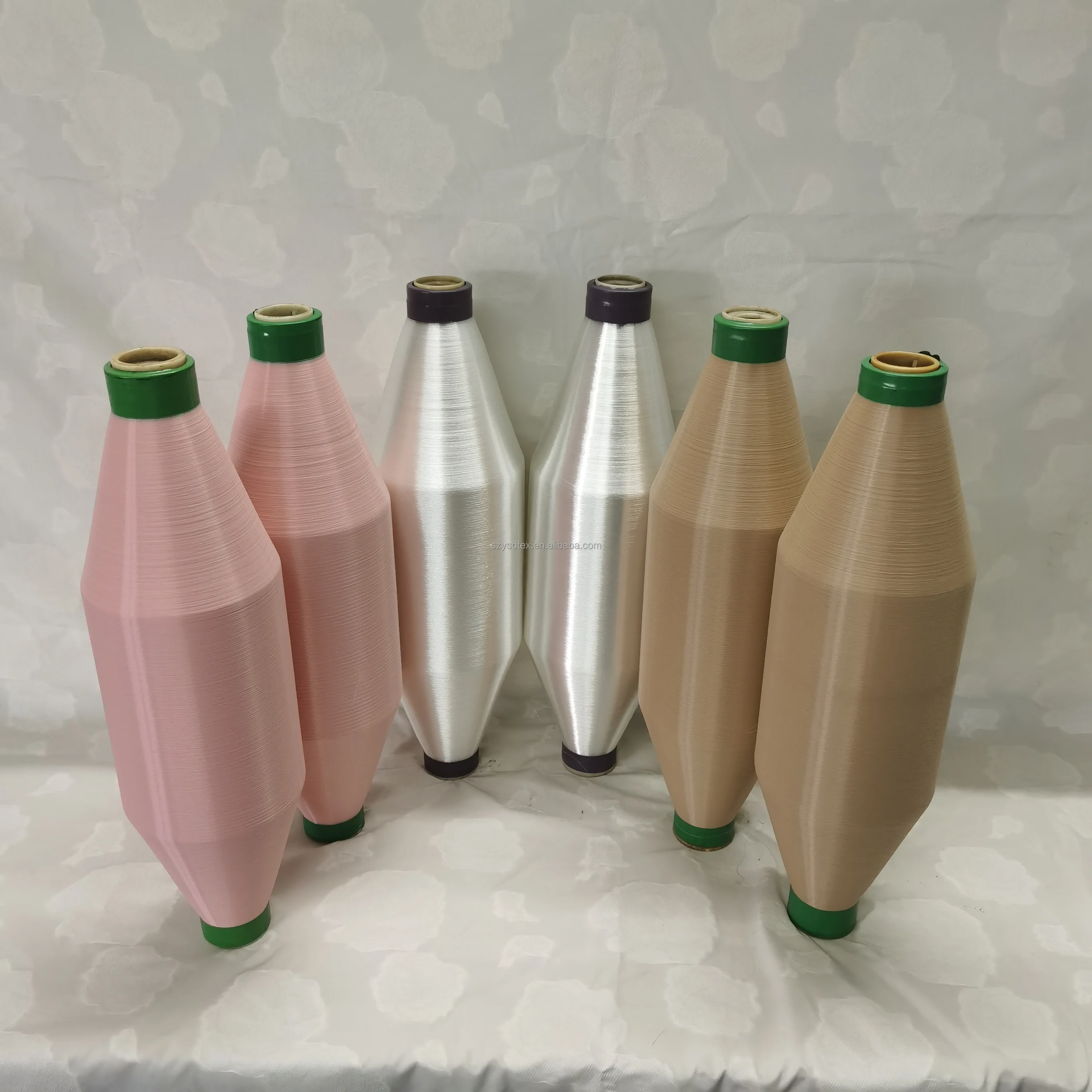
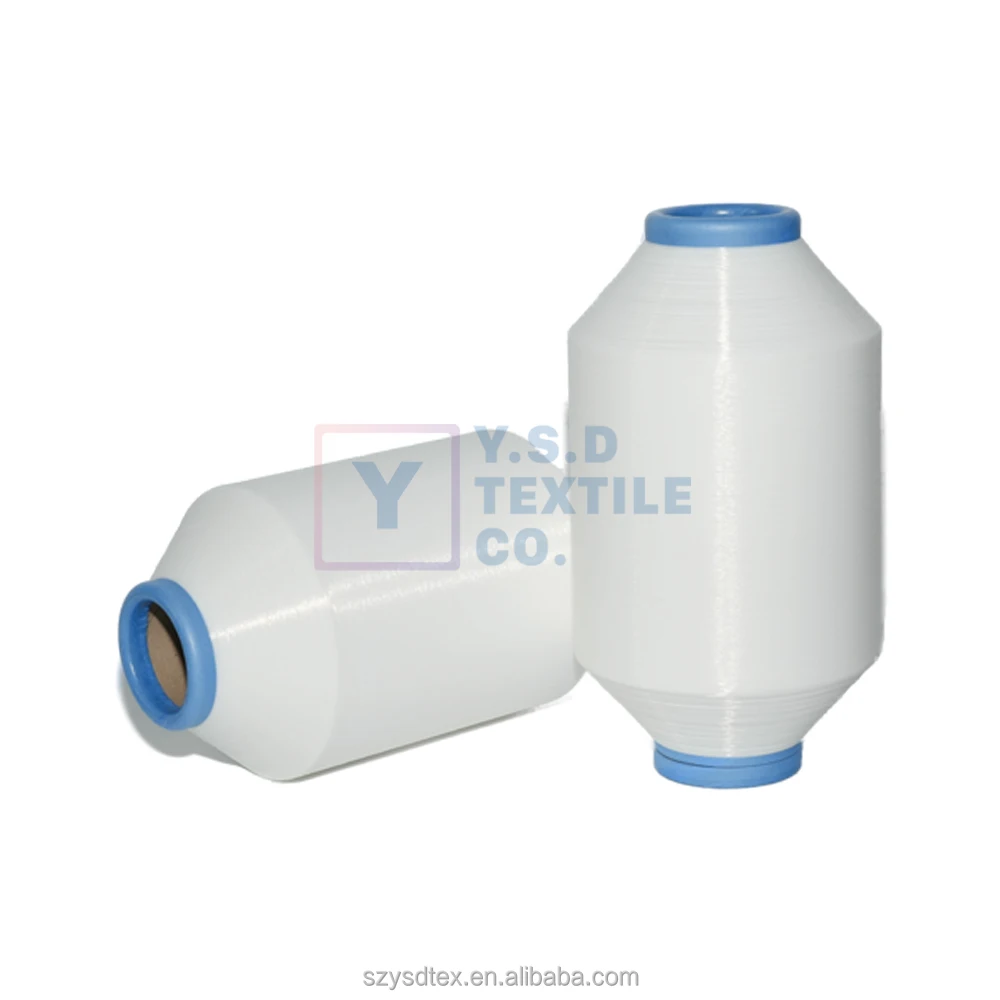
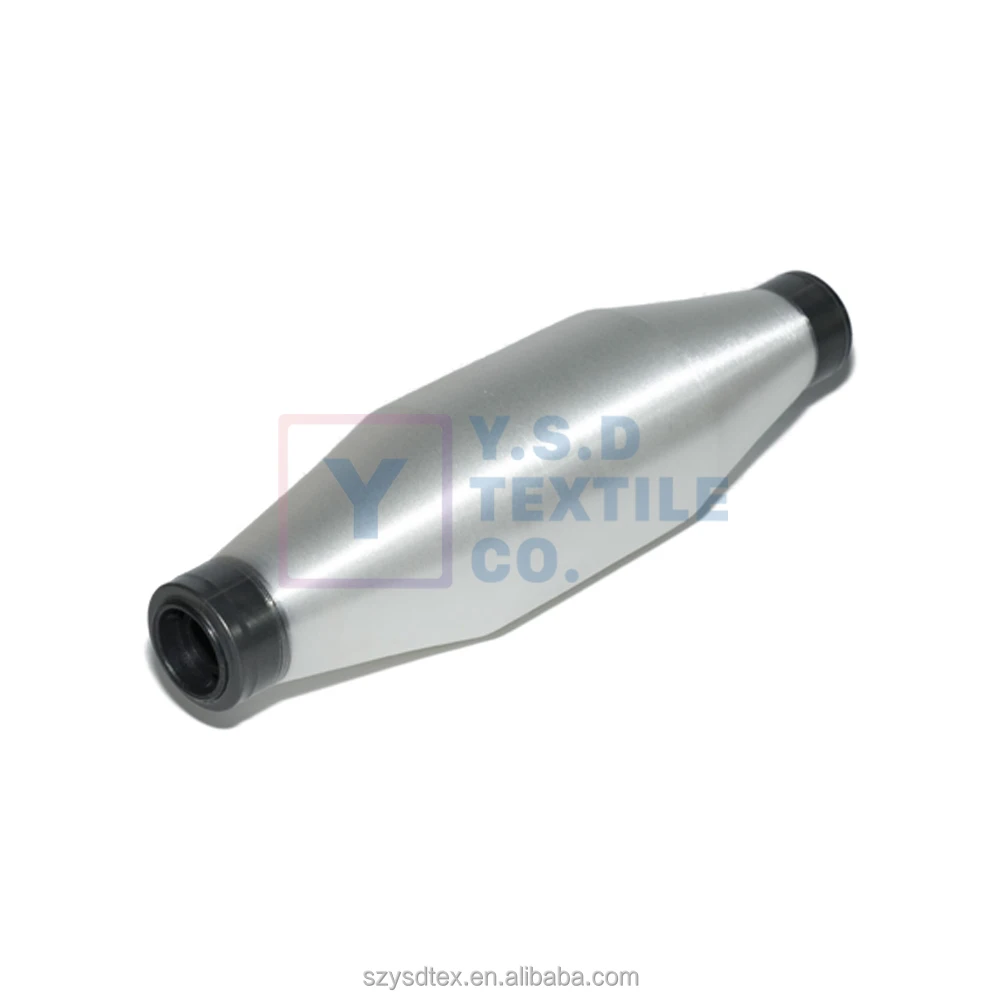
When it comes to selecting the right polyester yarn types for various textile applications, understanding the nuances of quality, cost, and specifications is crucial. Polyester yarn is widely used in manufacturing due to its durability, versatility, and cost-effectiveness. Buyers, including purchasing managers, engineers, and product managers, often seek clarity on how to evaluate different polyester yarns to meet their specific project needs. This article aims to provide practical insights into evaluating polyester textured yarns quality, cost factors, comparison of yarn types for applications, installation guidance in manufacturing, and understanding specifications for bulk purchases.
Evaluating the quality of polyester yarn is essential for ensuring the final product meets performance standards. Key indicators of quality include tensile strength, elongation, and colorfastness.
Tensile Strength: This measures the yarn's ability to withstand tension without breaking. Higher tensile strength indicates better durability, which is particularly important for applications that require high performance, such as outdoor fabrics or industrial textiles.
Elongation: This refers to the yarn's ability to stretch under load. Understanding elongation properties is vital, as it affects how the yarn behaves during processing and in the final fabric. Insufficient elongation can lead to fabric tearing during usage.
Colorfastness: For applications involving exposure to sunlight or washing, colorfastness is critical. Buyers should request colorfastness test results to ensure that the polyester textured yarn maintains its color over time.
Conducting thorough inspections and requesting samples before bulk purchasing can help buyers verify these qualities. A practical approach is to test yarn samples in real-world conditions to assess their performance against project requirements.
The cost of polyester yarn can vary significantly based on several factors, including raw material quality, production processes, and additional treatments.
Raw Material Quality: High-quality polyester may come at a premium but often results in better performance characteristics, reducing long-term costs related to fabric failure or replacement.
Production Process: The manufacturing method can impact cost. For example, yarns produced via advanced spinning technologies may yield higher quality but at a higher price. Understanding the production capabilities of your supplier, such as those offered by Suzhou YSD Textile Co., Ltd., can provide insights into cost versus quality.
Customization: Customization options, such as specific colors or performance treatments, may increase costs. Buyers should consider whether these enhancements are necessary for their applications and how they align with budget constraints.
Minimum Order Quantity (MOQ): Purchasing in bulk often reduces cost per unit. However, buyers should be mindful of MOQs, as ordering below this threshold may lead to higher prices and potentially longer lead times.
Understanding these cost factors allows buyers to make informed purchasing decisions that align with their budget while ensuring product quality.
Different polyester yarn types are suited for various applications, from apparel to industrial textiles. Buyers should consider the specific requirements of their projects when selecting yarn types.
Monofilament vs. Multifilament: Monofilament yarns consist of a single strand and are often used in applications requiring stiffness and strength, such as fishing lines and certain types of industrial fabrics. In contrast, multifilament yarns are made of multiple strands, providing flexibility and softness, making them ideal for apparel and home textiles.
Textured Yarns: These yarns offer enhanced aesthetic qualities and are often used in fashion fabrics. The texture can influence the drape and feel of the final product, making it essential to choose the right type for the intended use.
High-Strength Yarns: For applications that demand exceptional durability, such as outdoor gear and industrial fabrics, high-strength polyester yarn types can be beneficial. These polyester yarn are engineered to withstand harsh conditions and heavy usage.
By comparing the properties of different polyester yarn types, buyers can better match their material choices to the intended application, enhancing product performance and customer satisfaction.
Proper installation of polyester yarn in manufacturing processes is crucial to ensure optimal performance of the final textile products. Here are key considerations for successful installation:
Machine Compatibility: Ensure that the manufacturing equipment is compatible with the selected polyester yarn type. Different yarns may require specific settings, such as tension and speed, to avoid issues like breakage or uneven fabric production.
Sample Testing: Before full-scale production, conduct trials using the chosen yarn to identify any potential issues. This should include tests for tension adjustment and fabric formation to ensure the yarn behaves as expected during production.
Environmental Conditions: Consider the humidity and temperature of the production environment, as these can affect yarn performance. Polyester yarns typically perform well under varied conditions, but extreme environments may require specific handling or treatment.
By following these installation guidelines, manufacturers can reduce errors and ensure a smoother production process, ultimately leading to higher quality textile products.
have been providing yarn and machines more than 12 years. We have -quality research and development department. continuously upgrade our technology. also have a 20,000m2 nylon/polyester production workshop. team is dedicated to supplying machines that of the best quality. Each member of our team is on the job and sectional split warping machinefor all their job. truly hope that our expertise and technology will bring you a greater quality of work.
factory team has been customer- mother yarn warping split, they are well aware that customer needs satisfaction are key to success of the company. They actively listen the voices of their customers, as well as optimize production service satisfy their requirements and expectations.
products simple to install, set up high speed sectional split warping machine.
company was established 2013. In the last 11 years, have sold 300 sets of products and the market leader in sales till today. Our company a specialist firm that designs, produces sells split-warping machines and yarn. sectional mother yarn warping machinestaff has practical skills and knowledge.

SUZHOU Y.S.D TEXTILE COMPANY IA LOCATED IN SUZHOU PINGWANG TOWN, WITH 30000m2 OF MACHINE PRODUCTION WORKSHPOP, ALSO HAVE 20000m2 OF NYON/ POLYESTER PRODUCTION WORKSHOP.
No.12 Nanyue Road Pingwang Town Wujiang Suzhou City Jiangsu Province China.
Copyright © Y.S.D.TEXTILE All Rights Reserved Privacy Policy
 EN
 FR
 DE
 EL
 IT
 JA
 KO
 RO
 RU
 ES
 ID
 UK
 VI
 TH
 TR
 BN
 NE