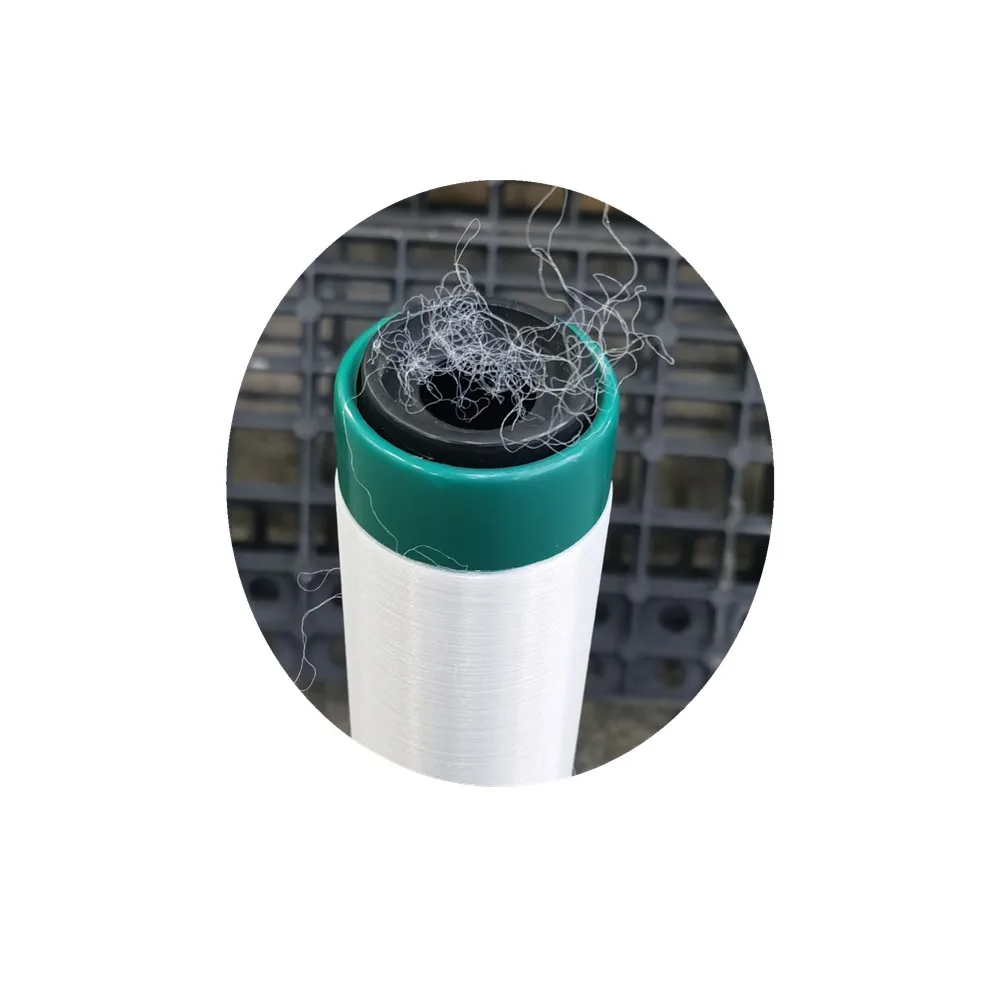
Understanding the pricing of polyester filament yarn is essential for B2B buyers in the textile industry. Polyester filament yarn serves as a critical raw material in various fabric applications, and knowing the factors that influence its price can help purchasing managers, engineers, and product managers make informed decisions. This article will explore the cost determinants, quality comparisons among brands, common installation issues, key quality indicators, and the diverse applications of polyester monofilament yarn in various industries.
Several factors influence the pricing of polyester filament yarn, making it crucial for buyers to understand these elements when evaluating suppliers. One primary factor is the quality of the raw materials used in production. High-quality polyester, which has superior durability and performance characteristics, generally comes at a higher cost. The manufacturing process also impacts pricing; advanced techniques and technologies, such as those used in high-speed mother yarn sectional split warping machines, can lead to increased production efficiency but may involve higher initial costs. Another cost factor is the scale of production. Larger volume orders often result in lower unit prices due to economies of scale. Additionally, geographic location plays a role; suppliers in regions with lower labor and operational costs may offer more competitive pricing. Packaging and shipping considerations also affect costs, especially for international transactions. Buyers should ensure they communicate their specific requirements to get an accurate quotation that reflects all these factors.
When comparing profixM polyester filament yarn from various brands, quality is a critical consideration that goes beyond just price. Buyers should look for specific characteristics that indicate superior performance. For instance, factors such as tensile strength, elongation, and filament uniformity are vital indicators of the yarn's suitability for specific applications.
Brands with established reputations often provide detailed technical data sheets, allowing buyers to assess the yarn's specifications. Certifications and compliance with industry standards can also signal a brand's commitment to quality. Buyers can benefit from requesting samples for testing, as this allows them to evaluate the monofilament yarn performance against their requirements before committing to a bulk order.
Furthermore, understanding the manufacturer's production capabilities can provide insights into quality consistency. Companies like Suzhou YSD Textile Co., Ltd., known for their advanced textile machinery, are likely to produce higher-quality products due to their investment in technology and quality control processes.
Installing polyester filament yarn can present several challenges, especially if the yarn is part of a larger textile production process. Common issues include improper tension settings, which can lead to uneven fabric quality, and compatibility problems with specific machines. For instance, if a yarn does not match the specifications of the warping or weaving equipment, it can result in production delays and increased waste.
To mitigate these issues, buyers should ensure that they thoroughly understand their machinery's requirements and the specific characteristics of the yarn being used. Conducting a trial run with a sample of the yarn can help identify any potential problems before full-scale production begins. Additionally, buyers should seek guidance from the supplier regarding installation best practices and machine compatibility, especially for specialized yarn types.
Identifying high-quality profixM polyester filament yarn involves assessing several key specifications. First, buyers should examine the yarn's denier, which indicates the thickness of the fiber. A suitable denier will depend on the intended application, with finer yarns typically used for lightweight fabrics and thicker yarns for more robust applications.
Another critical aspect is the yarn's tensile strength, which determines its durability and performance under stress. High-quality yarn should also exhibit consistent color and finish, as this affects the aesthetics of the final product. Buyers should also consider the yarn's resistance to UV light and moisture, especially for outdoor applications.
Lastly, buyers should inquire about the manufacturer's quality control processes. Regular testing and adherence to industry standards can significantly influence the reliability of the polyester filament yarn. A reputable supplier will be transparent about their quality assurance practices, providing buyers with the confidence needed for bulk purchases.
offer yarn and equipment over 12 Years and have top-quality sectional warping machinedevelopment department. We are constantly upgrading technology. We also have a 20,000m2 nylon/polyester production facility. Our team is dedicated to providing machines of the highest quality. Every employee accountable for their own work. We truly hope that our technology efforts will yield better works.
company was founded in year 2013. Our company sold 300 products over last 11 years, and we are the market leading company. business is a sectional warping machinecompany that is involved in the design, manufacturing, and sales of split warping machine and yarn. team of factory workers has professional skills and experience.
products simple to install, set up high speed sectional split warping machine.
factory team is extremely customer-centric recognizes that the success a business is dependent on the needs satisfaction of its customers. They sectional warping machinelisten the voice of customers and enhance their service production in order satisfy their requirements and expectations.

SUZHOU Y.S.D TEXTILE COMPANY IA LOCATED IN SUZHOU PINGWANG TOWN, WITH 30000m2 OF MACHINE PRODUCTION WORKSHPOP, ALSO HAVE 20000m2 OF NYON/ POLYESTER PRODUCTION WORKSHOP.
No.12 Nanyue Road Pingwang Town Wujiang Suzhou City Jiangsu Province China.
Copyright © Y.S.D.TEXTILE All Rights Reserved Privacy Policy
 EN
 FR
 DE
 EL
 IT
 JA
 KO
 RO
 RU
 ES
 ID
 UK
 VI
 TH
 TR
 BN
 NE