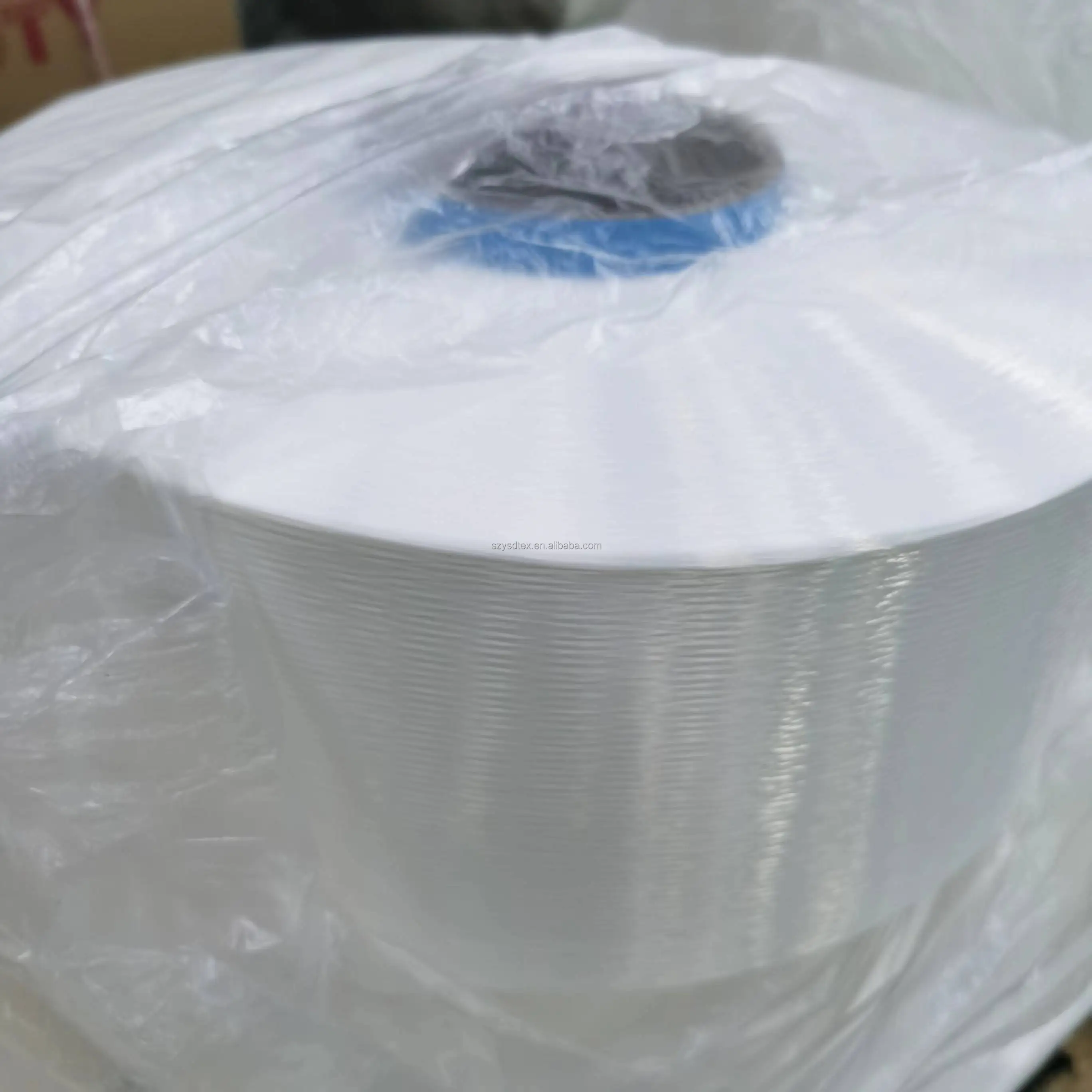
FDY fabric, or Fully Drawn Yarn fabric, is a highly versatile material commonly used in various applications, particularly in the textile industry. It offers a unique combination of strength, durability, and a smooth finish, making it suitable for a wide range of products, including apparel, home textiles, and industrial applications. For B2B buyers—whether they are purchasing managers, product managers, or engineers—understanding how to select the right profixM FDY fabric and the key specifications to consider is crucial for ensuring that the final product meets quality and performance standards. This article will provide insights into choosing the right cost of organza fabric, evaluating specifications, cost considerations, installation guidelines, and finding reliable suppliers.
Selecting the appropriate FDY fabric for your project requires careful consideration of various factors. Firstly, assess the intended application of the fabric. For example, if the fabric will be used in high-stress environments, such as industrial applications, opt for FDY fabrics with higher tensile strength and durability. Conversely, for applications requiring a softer touch, such as apparel, a fabric with a smoother finish and lower denier may be more suitable.
Next, consider the fiber composition. FDY fabrics can be made from polyester, nylon, or blends of both. Polyester FDY fabrics tend to be more resistant to UV light and moisture, making them ideal for outdoor applications, while nylon FDY fabrics generally offer superior elasticity and strength, which can be beneficial in performance-oriented textiles.
Finally, evaluate the fabric's weight and thickness. These specifications can greatly impact the fabric's drape, feel, and overall performance. Ensure that the selected FDY fabric aligns with your project's design requirements and functionality.
When sourcing FDY fabric, several key specifications should be evaluated to ensure the product meets your needs. Start with the denier, which measures the linear mass density of the fibers. A higher denier typically indicates a thicker, more durable fabric, which is essential for applications requiring strength. Conversely, a lower denier may be appropriate for lighter, more delicate applications.
Another important specification is the tensile strength, which measures the force required to pull the fabric apart. This property is particularly crucial for industrial applications where the fabric will experience significant stress. Buyers should request tensile strength data from suppliers to compare different profixM FDY fabric options.
Additionally, consider the fabric's elongation at break, which indicates how much the silk organza fabric can stretch before breaking. This is especially relevant for applications where flexibility is essential. Lastly, inquire about the fabric's color fastness and resistance to fading, as these properties can affect the longevity and appearance of the final product.
Purchasing FDY fabric in bulk can lead to cost savings, but several factors influence pricing. Firstly, the type of fiber used plays a significant role in cost. Polyester FDY fabric is generally more affordable than nylon due to the differences in production processes and material properties. Additionally, the fabric's denier and complexity of weaving or knitting patterns can affect the price.
Another crucial factor is the minimum order quantity (MOQ) required by suppliers. Many manufacturers have set MOQs that may impact your overall budget, especially for smaller projects. Be sure to discuss these MOQs upfront to avoid unexpected costs.
Shipping and logistics also contribute to the total cost. Depending on the supplier's location and your delivery requirements, freight charges can vary significantly. Buyers should consider these logistical aspects and factor them into their overall budget.
Proper installation of FDY fabric is essential to achieving the desired performance and longevity. For textile applications, ensure that the fabric is pre-shrunk before cutting and sewing. This step minimizes the risk of distortion or shrinkage after the final product is washed.
In industrial settings, the installation process may involve specific machinery or techniques depending on the application. For example, when using profixM FDY fabric in composite materials, ensure that the fabric is properly aligned and secured to prevent any misalignment during the curing process.
Additionally, consider the environmental conditions in which the fabric will be installed. Extreme temperatures or humidity can impact the performance of the fabric, so it may be necessary to apply protective coatings or treatments to enhance durability.
sectional mother-yarn splitting warping machine Direct warping machinean same tension beam, with 550m/mins speed on nylon mother yarn.also created the first machine can make polyester dty mother yarn.products simple for installation, simple set up, and easy use and have minimal requirements on workers.
manufacturing team has always been customer-focused, they know that customer demands high speed sectional split warping machineare essential for the success of the company. actively listen to the opinions customers, and optimise production service to meet their expectations requirements.
research development team at our company is of highest quality. have been supplying yarn and equipment over 12 years. We continue new technology upgrade. Also, have a 20,000m2 nylon/polyester production workshop. staff is committed to providing machines of best Direct warping machine. Each member of our team is committed to their work and responsible for their every works. We hope our technology and efforts will assist to create more efficient work.
company was founded the year 2013. In the last eleven years, we've sold 300 sets of items remain the leading company in sales till today. company a polyester monofilamentfirm that designs, produces and sells split warping equipment and yarn. manufacturing team brimming with professional skills and experience.

SUZHOU Y.S.D TEXTILE COMPANY IA LOCATED IN SUZHOU PINGWANG TOWN, WITH 30000m2 OF MACHINE PRODUCTION WORKSHPOP, ALSO HAVE 20000m2 OF NYON/ POLYESTER PRODUCTION WORKSHOP.
No.12 Nanyue Road Pingwang Town Wujiang Suzhou City Jiangsu Province China.
Copyright © Y.S.D.TEXTILE All Rights Reserved Privacy Policy
 EN
 FR
 DE
 EL
 IT
 JA
 KO
 RO
 RU
 ES
 ID
 UK
 VI
 TH
 TR
 BN
 NE