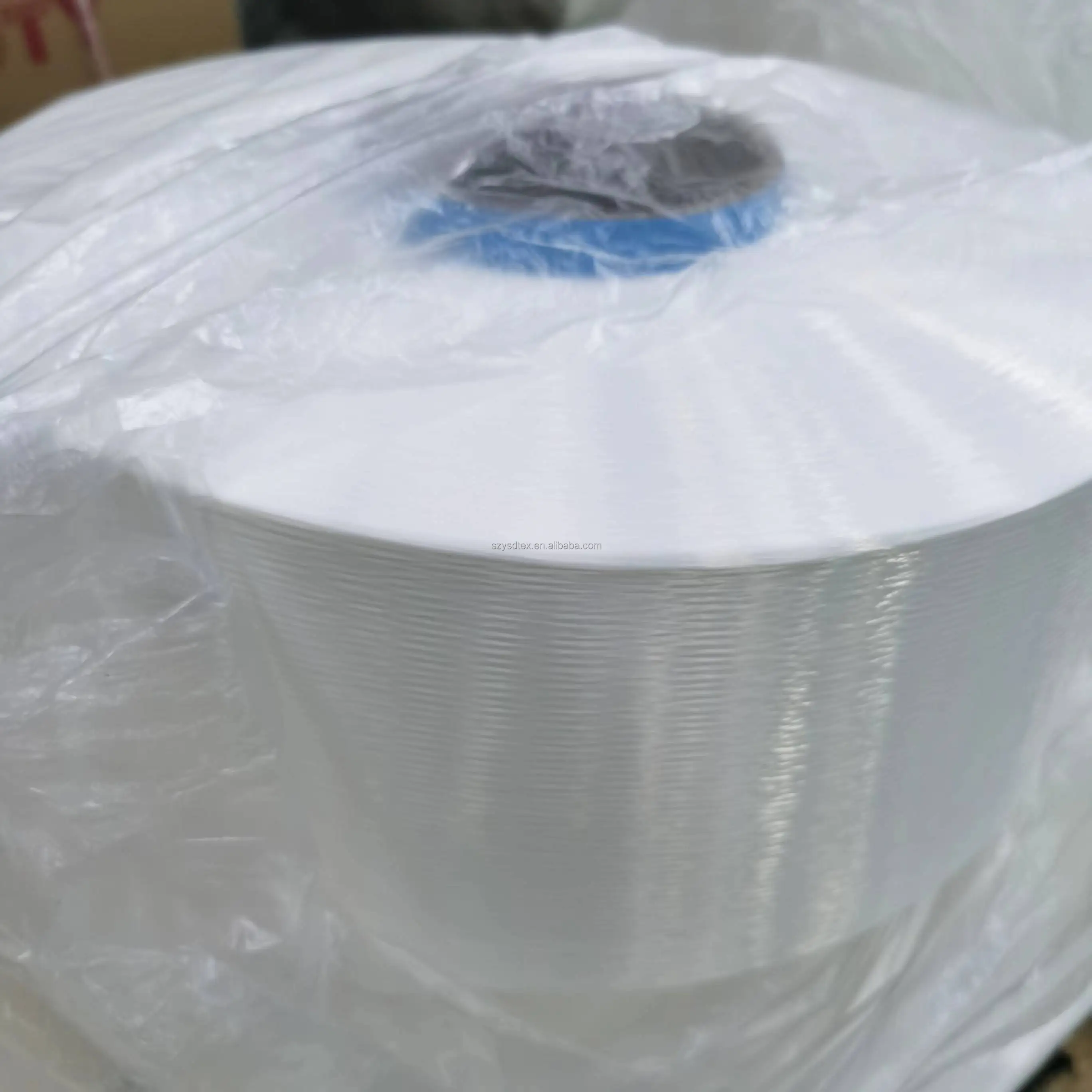
Polyester fiber yarn is a versatile material widely used in textile manufacturing, offering durability, resistance to stretching, and excellent shape retention. As a purchasing manager or a product manager in the textile industry, understanding the nuances of polyester fiber yarn is crucial for making informed decisions. This article will guide you through key considerations such as selecting the right polyester yarn types for your projects, factors to look for, supplier evaluation, cost considerations, and common issues you may encounter.
Selecting the appropriate polyester fiber yarn involves understanding the specific requirements of your project. Consider the intended application whether for apparel, upholstery, or industrial fabrics since this will impact the yarn's specifications. For instance, if the fabric will be subjected to high wear and tear, a heavier denier yarn might be more suitable. Additionally, assess the desired finish and texture. For smoother fabrics, a finer yarn may be preferred, while a coarser yarn can provide better grip for upholstery applications.
It's also essential to evaluate the yarn's compatibility with the machinery you will use in production. Different yarn types may require specific tension settings or feed mechanisms. Consulting with manufacturers like Suzhou YSD Textile Co., Ltd. can provide insights into which yarns align best with your production capabilities.
When evaluating polyester fiber yarn, several key characteristics should be prioritized:
Denier and Tex: These measurements indicate the yarn's thickness. A lower denier means a finer yarn, suitable for lightweight fabrics, while a higher denier is better for robust applications.
Twist Level: The twist of the yarn affects its strength and texture. Higher twists can increase durability but may also make the yarn less flexible.
Color Fastness: If the yarn will be dyed, ensure it has excellent color fastness to avoid fading during washing or exposure to sunlight.
Moisture Wicking Properties: For applications in activewear, consider yarns engineered for moisture management to enhance comfort.
Certification and Standards: Verify that the yarn meets relevant industry standards, which can indicate quality and safety.
Understanding these specifications allows you to select yarns that align with both your aesthetic and functional requirements.
Finding a trustworthy supplier for bulk polyester fiber yarn is crucial for maintaining production efficiency. Start by researching manufacturers with a solid reputation in the industry. Companies like Suzhou YSD Textile Co., Ltd. leverage extensive production capabilities and experience in the textile sector, ensuring a reliable supply chain.
Consider the following when evaluating suppliers:
Production Capacity: Ensure the supplier can meet your volume requirements without compromising on quality.
Customization Options: Some projects may require specific yarn characteristics. Suppliers that offer customization can better meet your unique needs.
Quality Control Processes: Inquire about the supplier’s quality assurance practices to confirm that they maintain consistent standards throughout production.
Lead Times: Assess the supplier’s lead times for delivery, as this can significantly impact your project timelines.
Customer Support: Reliable suppliers should provide comprehensive customer support, including assistance with technical inquiries and problem resolution.
The cost of polyester fiber yarn can vary significantly based on several factors:
Yarn Type and Specifications: Specialty yarns with enhanced properties or specific certifications may cost more than standard options.
Order Quantity: Purchasing in bulk typically offers cost savings, so it's valuable to evaluate your order size against your budget.
Customization Requirements: Custom polyester yarn production may entail additional costs. Clearly outline your needs when requesting quotes to understand the full pricing structure.
Shipping Costs: Consider logistics and shipping costs, especially if sourcing from international suppliers. These can add to the overall expense.
Market Trends: Stay aware of market fluctuations that may impact pricing, such as changes in raw material costs or supply chain disruptions.
By understanding these cost factors, you can better manage your budget and make strategic purchasing decisions.
research and textile machinery spare parts team at our company is of best quality. We have provided yarn other equipment for over 12 years. We are constantly upgrading our technology. also have 30,000m2 machine production workshop and 20,000m2 nylon/polymer production workshop.Our team is committed providing you with supreme quality machines. Every member the team is extremely dedicated and accountable for all of their job. hope that our expertise and efforts will assist create more efficient work.
company was founded the year 2013. In the last eleven years, we've sold 300 sets of items remain the leading company in sales till today. company a polyester monofilamentfirm that designs, produces and sells split warping equipment and yarn. manufacturing team brimming with professional skills and experience.
manufacturing team has always been customer-focused, they know that customer demands high speed sectional split warping machineare essential for the success of the company. actively listen to the opinions customers, and optimise production service to meet their expectations requirements.
sectional mother yarn sectional warping machinewarping machine produce even tension beams with 550m/mins speed nylon mother yarn. also invented the first machine make polyester dty mother yarn.products are simple install, easy to set up, and easy to operate, have no demands on workers.

SUZHOU Y.S.D TEXTILE COMPANY IA LOCATED IN SUZHOU PINGWANG TOWN, WITH 30000m2 OF MACHINE PRODUCTION WORKSHPOP, ALSO HAVE 20000m2 OF NYON/ POLYESTER PRODUCTION WORKSHOP.
No.12 Nanyue Road Pingwang Town Wujiang Suzhou City Jiangsu Province China.
Copyright © Y.S.D.TEXTILE All Rights Reserved Privacy Policy
 EN
 FR
 DE
 EL
 IT
 JA
 KO
 RO
 RU
 ES
 ID
 UK
 VI
 TH
 TR
 BN
 NE