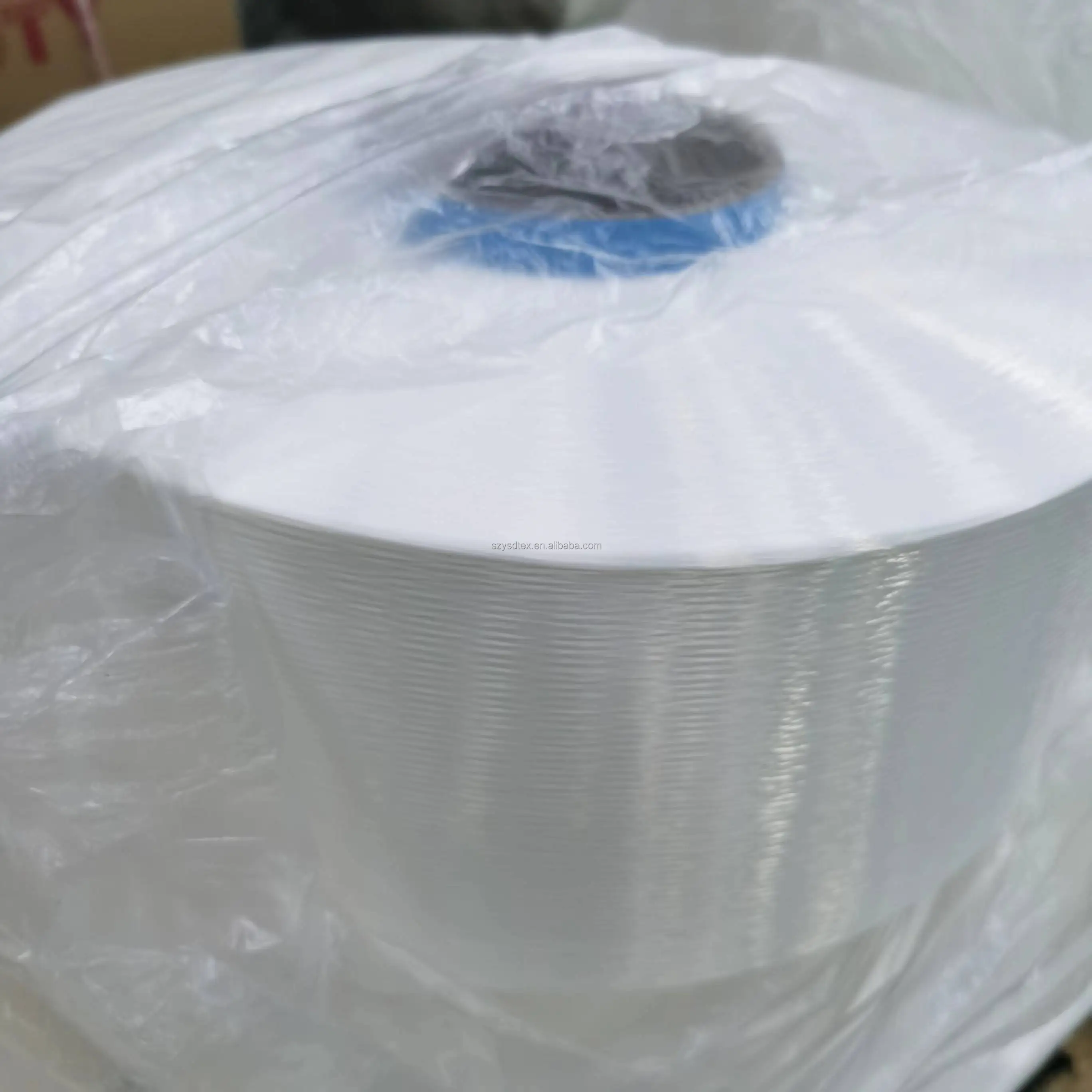
Monofilament yarn is a versatile material widely used in various industries, and sourcing it from a reliable manufacturer is crucial for ensuring quality and performance. As a leading monofilament yarn manufacturer in India, Suzhou YSD Textile Co., Ltd. offers a comprehensive range of products tailored to meet diverse application needs. This article aims to guide purchasing managers, distributors, and product managers in understanding monofilament yarn specifications, evaluating quality, exploring applications, and addressing common issues, thus facilitating informed purchasing decisions
Monofilament yarn specifications encompass various factors that significantly influence performance and suitability for specific applications. Key specifications include the diameter, material composition, tensile strength, and UV resistance
Diameter: The diameter of nylon monofilament yarn affects its strength and flexibility. Thicker yarns typically offer higher tensile strength but may lack the flexibility required for certain applications. Buyers must determine the appropriate diameter based on the intended use, such as fishing lines, textiles, or industrial applications
Material Composition: Monofilament yarns are primarily made from nylon or polyester. Nylon offers excellent elasticity and abrasion resistance, making it suitable for demanding applications, while polyester is more UV resistant and suitable for outdoor use. Understanding these material properties helps buyers select the right yarn for their specific needs
Tensile Strength: This specification is critical as it indicates the maximum stress the yarn can withstand before failure. Buyers should evaluate tensile strength based on the expected load during use to ensure reliability
UV Resistance: For applications exposed to sunlight, UV resistance is essential to prevent degradation over time. Buyers should confirm that the yarn meets the required UV stability standards for their projects
Ensuring the quality of monofilament yarn is vital for successful wholesale orders. Buyers should focus on several quality indicators during their evaluation process
Certifications and Standards: Look for manufacturers that adhere to industry standards for quality control, such as ISO certifications. These certifications indicate a commitment to maintaining high-quality production processes
Raw Material Quality: The quality of raw materials used in production directly affects the final product. Buyers should inquire about the sourcing and testing of these materials to ensure they meet necessary performance criteria
Production Processes: Understanding the manufacturing processes employed by the supplier can highlight their capabilities and any potential issues. For instance, inquire about the machinery used and the experience of the workforce to gauge reliability
Sampling and Testing: Before finalizing bulk orders, buyers should request samples and conduct tests under actual operating conditions. This step is crucial to validate the yarn's performance, durability, and suitability for the specific application
Monofilament yarn has a wide array of applications across different sectors. Its unique properties make it suitable for
Textiles: Used in fabrics for clothing, upholstery, and industrial textiles, monofilament yarn 20d yarn provides durability and flexibility. It is commonly found in sportswear and outdoor gear due to its strength and lightweight nature
Agriculture: Monofilament yarn is often utilized in agriculture for netting, trellises, and other applications due to its resistance to UV rays and moisture
Fishing: In the fishing industry, monofilament yarn is widely used for fishing lines, offering strength and invisibility in water, which is crucial for attracting fish
Medical Applications: Monofilament yarn is also employed in medical sutures and other healthcare products where biocompatibility and strength are paramount
Understanding these applications helps buyers select the appropriate type of monofilament yarn based on industry-specific requirements
While monofilament yarn is a robust material, several common issues may arise during production or application. Here are some problems and their potential solutions
Brittleness: Monofilament yarn can become brittle over time, especially when exposed to UV light. To mitigate this, buyers should select yarns with UV-resistant properties and consider storing them in shaded conditions
Tangle and Knotting: A common issue in applications like fishing or textiles is tangling. Buyers should ensure that the yarn is properly wound and packaged to minimize the risk of knots during use
Color Fading: In outdoor applications, color fading due to sun exposure can be a concern. Choosing high-quality dyed yarns with UV protection can enhance longevity and maintain appearance
Inconsistency in Diameter: Variations in diameter can lead to issues during production processes. Buyers should conduct thorough quality checks and request detailed specifications to confirm consistency
have been providing yarn machines for more than 12 years. have top-quality research and development department. We constantly upgrade our High speed splitting warping machine. Also, have a 20,000m2 nylon/polyester manufacturing workshop. staff is committed to supplying machines of the best quality. Every member the team is extremely dedicated and accountable for all of their job. We are confident that efforts and technology will result in more efficient productive work.
company was founded in year 2013. In the last eleven years, have sold over 300 sets of products and Direct warping machinethe leader in sales to day. Our company a specialist business that develops, manufactures, sells split warping equipment and yarn. team at our factory is skilled and knowledgeable.
The factory team a customer-focused organization sectional split mother yarn warping machinethat the performance of organization is dependent on satisfaction and requirements of customers. customers are frequently listened to, and production and services are adapted meet the needs customers. expectations needs.
products simple to install, set up sectional mother yarn warping machine.

SUZHOU Y.S.D TEXTILE COMPANY IA LOCATED IN SUZHOU PINGWANG TOWN, WITH 30000m2 OF MACHINE PRODUCTION WORKSHPOP, ALSO HAVE 20000m2 OF NYON/ POLYESTER PRODUCTION WORKSHOP.
No.12 Nanyue Road Pingwang Town Wujiang Suzhou City Jiangsu Province China.
Copyright © Y.S.D.TEXTILE All Rights Reserved Privacy Policy
 EN
 FR
 DE
 EL
 IT
 JA
 KO
 RO
 RU
 ES
 ID
 UK
 VI
 TH
 TR
 BN
 NE