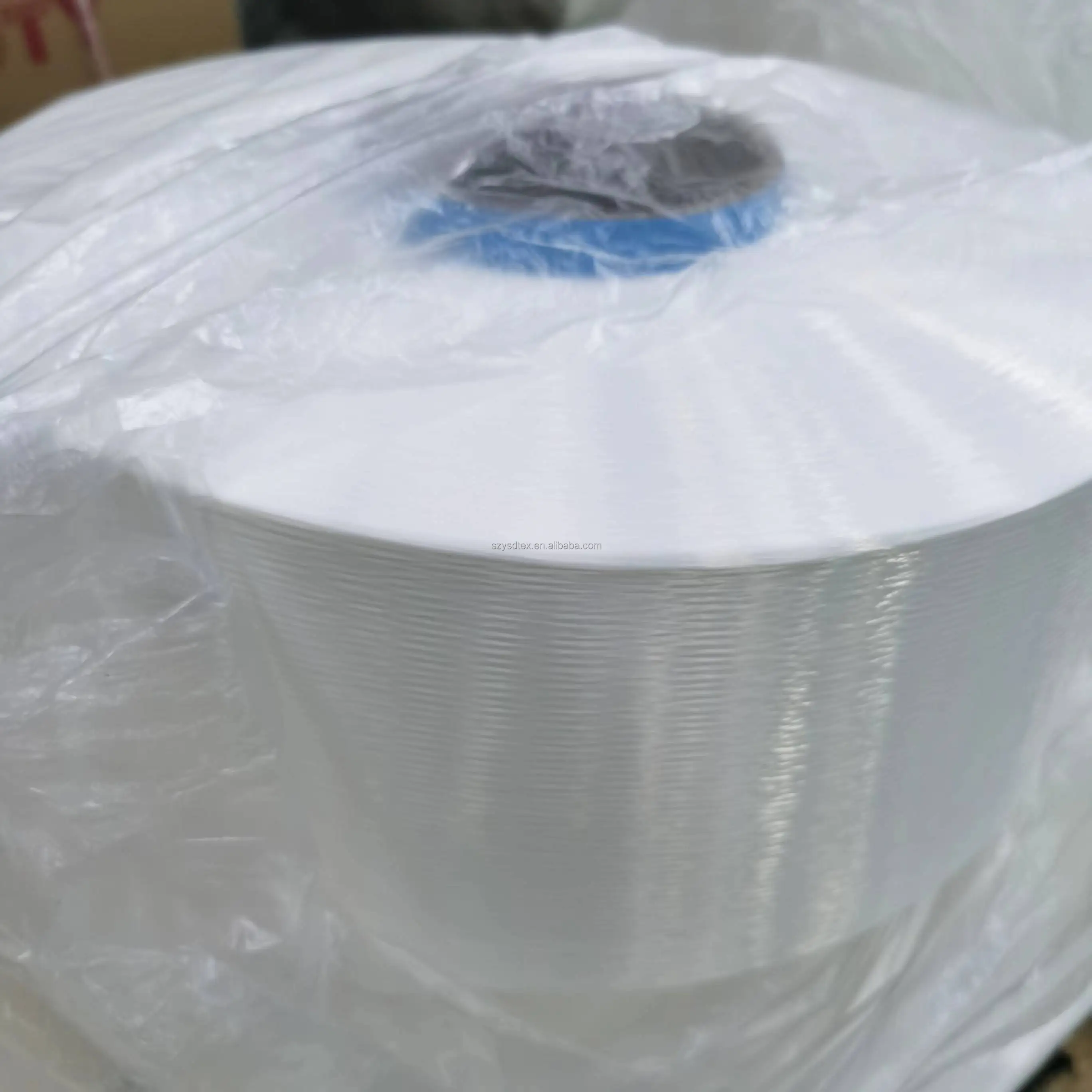
Warp knitting machines are an essential component in the textile manufacturing process, enabling the production of a variety of fabrics with unique textures and properties. If you're searching for warp knitting machines for sale, understanding the different types and specifications is crucial. This article will guide you through key considerations such as selecting the right machine, cost factors, applications across industries, common issues, and model comparisons, helping you make informed purchasing decisions. profixM, the brand of SUZHOU Y.S.D Textile Company, operates a 30,000-square-meter machine production workshop and a 20,000-square-meter nylon and polyester production workshop in Suzhou Pingwang Town. The company has more than 12 years of experience providing yarn and textile machinery and has a dedicated research and development department. Its sectional mother yarn splitting warping machines are designed to produce evenly tensioned beams at speeds of up to 550 m/min for nylon mother yarn. The company has also developed equipment that allows polyester DTY mother yarn to be warped directly without splitting, which can help reduce production processes and production costs. For B2B buyers evaluating warp knitting machines from profixM, factors such as machine specifications, production speed, yarn compatibility, tension control, workshop capabilities, customization requirements, technical support, and after-sales service can be considered.
Selecting the right warp knitting machine involves assessing your specific production requirements. Factors to consider include the type of fabric you intend to produce, the desired production speed, and the machine's compatibility with your existing setup
For instance, if your goal is to manufacture high-performance fabrics, look for machines that offer precise control over stitch formation and tension. Additionally, consider the machine’s production capacity; a higher capacity may be necessary for large-scale operations, while smaller models may suffice for niche markets. Don’t forget to evaluate the ease of operation and maintenance, as a user-friendly machine can significantly reduce downtime
Moreover, it’s essential to determine the material compatibility of the machine. Different warp knitting machines are designed to handle specific yarn types, such as nylon or polyester monofilament, which are produced by our subsidiary, Wujiang Telong Chemical Fiber Co., Ltd. Ensure that the machine you choose can accommodate the materials you plan to work with.
The cost of warp knitting machines can vary significantly based on various factors, including machine specifications, features, and brand reputation. Here are some key cost considerations:
Machine Specifications: Higher-end machines equipped with advanced technology for speed, accuracy, and versatility tend to have higher price tags. Assess your production requirements to determine the specifications that justify the investment
Customization Needs: If you require customized features or specialized configurations, these may increase the overall cost. Customization can enhance the machine's suitability for specific applications, but it's essential to weigh this against your budget
Maintenance and Operating Costs: Beyond the initial purchase price, consider ongoing costs such as maintenance, repairs, and energy consumption. Machines that are easier to maintain may have a higher upfront cost but can offer savings in the long run through reduced downtime
Warranty and Support: A robust warranty and reliable customer support can mitigate future costs related to repairs and replacements. Ensure that the manufacturer provides adequate after-sales service, which can be crucial for maintaining production efficiency.
Warp knitting machines are utilized across multiple industries due to their ability to create complex fabric structures and designs. Some common applications include:
Textile Industry: Warp knitting machines produce a range of textiles, from lightweight fabrics for lingerie to heavy-duty materials for upholstery. They are particularly valuable in producing fabrics that require stretch and durability
Automotive Industry: In automotive applications, warp knitting machines create high-strength textiles used in seat coverings, headliners, and other interior components. The ability to produce intricate patterns enhances both aesthetics and functionality
Medical Sector: Specialized fabrics produced by warp knitting machines are used in medical applications, such as bandages and surgical gowns. These fabrics often require specific performance characteristics, such as Breathability and elasticity
Sports and Outdoor Gear: The sports industry benefits from warp-knitted fabrics that offer moisture-wicking properties and enhanced stretch, making them ideal for performance apparel and outdoor gear
Understanding the specific applications of warp knitting machines can help buyers select the right machine tailored to their industry's needs.
While warp knitting machines are robust, they can experience common issues that may disrupt production. Here are a few challenges and their potential solutions:
Thread Breakage: This is one of the most frequent issues, often caused by incorrect tension settings or poor-quality yarn. To mitigate this, regularly check and calibrate tension settings and invest in high-quality yarn that meets the machine’s specifications
Fabric Defects: Defects such as uneven stitch formation can arise from improper machine setup or worn-out components. Conduct routine maintenance checks and replace worn parts promptly to maintain fabric quality
Machine Downtime: Unexpected downtime can be costly. Implementing a preventive maintenance schedule can help identify potential issues before they lead to significant breakdowns
Compatibility Issues: Ensure that the machine is compatible with the yarn types and weights you plan to use. Engaging with the manufacturer for advice on material compatibility can prevent operational hiccups
By being aware of these common problems and their solutions, buyers can better prepare for smooth operation post-purchase.
products simple to install, set up high speed sectional split warping machine.
company was founded in 2013. Over last eleven years, we've sold 300 sets mother yarn warping splitand continue to be the top in terms of sales this day. Our business is a niche firm that designs, produces, sells split warping equipment and yarn. factory staff has knowledge expertise.
research and textile machinery spare parts team at our company is of best quality. We have provided yarn other equipment for over 12 years. We are constantly upgrading our technology. also have 30,000m2 machine production workshop and 20,000m2 nylon/polymer production workshop.Our team is committed providing you with supreme quality machines. Every member the team is extremely dedicated and accountable for all of their job. hope that our expertise and efforts will assist create more efficient work.
factory team is extremely customer-centric recognizes that the success a business is dependent on the needs satisfaction of its customers. They textile machinery spare partslisten the voice of customers and enhance their service production in order satisfy their requirements and expectations.

SUZHOU Y.S.D TEXTILE COMPANY IA LOCATED IN SUZHOU PINGWANG TOWN, WITH 30000m2 OF MACHINE PRODUCTION WORKSHPOP, ALSO HAVE 20000m2 OF NYON/ POLYESTER PRODUCTION WORKSHOP.
No.12 Nanyue Road Pingwang Town Wujiang Suzhou City Jiangsu Province China.
Copyright © Y.S.D.TEXTILE All Rights Reserved Privacy Policy
 EN
 FR
 DE
 EL
 IT
 JA
 KO
 RO
 RU
 ES
 ID
 UK
 VI
 TH
 TR
 BN
 NE