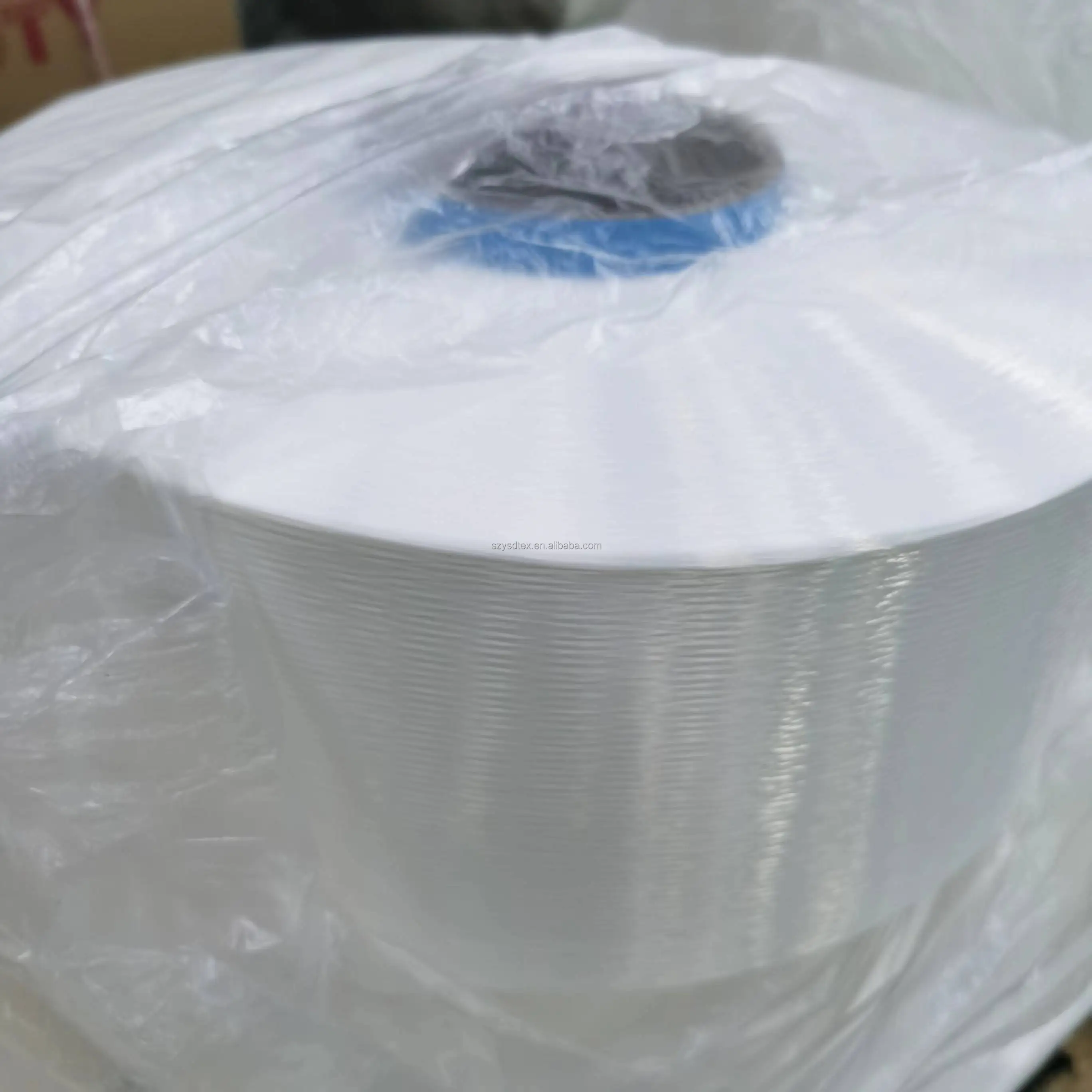
Understanding polyester partially oriented yarn (POY) pricing is crucial for B2B buyers in the textile industry. ProfixM polyester poy serves as a foundational element for various fabric applications, and understanding its specifications, cost factors, common issues, and installation guidance can significantly impact purchasing decisions. This article will delve into the essential aspects of profixM polyester poy yarn, helping purchasing managers, distributors, and product managers make informed choices when sourcing this critical material.
Polyester POY is a semi-finished yarn that is produced through the process of polymerization and spinning. Its specifications, such as denier, filament count, and tensile strength, play a pivotal role in determining its suitability for different applications.
Denier refers to the thickness of the yarn. Lower denier values produce finer yarns, which are ideal for lightweight fabrics, while higher values are suited for heavier textiles.
Filament count indicates the number of filaments in a yarn. A higher filament count generally improves the strength and durability of the fabric, making it suitable for industrial applications.
Tensile strength is crucial for determining how much force the yarn can withstand before breaking. This profixM partially oriented yarn poy is particularly important in applications where the fabric will undergo stress, such as in automotive or outdoor textiles.
Understanding these specifications enables buyers to select the appropriate polyester POY for their specific projects, minimizing the risk of material failure and ensuring that the end product meets performance standards.
When sourcing polyester POY, several cost factors must be considered. These include:
Raw Material Prices: Fluctuations in the price of raw materials used in manufacturing polyester can significantly affect POY pricing. Buyers should stay informed about market trends in polyester production.
Production Volume: Purchasing in bulk typically allows for lower per-unit costs. However, it's essential to assess the minimum order quantities (MOQ) set by suppliers to ensure that bulk purchases are feasible.
Customization Requirements: Customized specifications, such as specific denier or filament counts, may incur additional costs. Buyers should clearly define their requirements to avoid unexpected expenses.
Lead Times: Longer lead times may increase costs due to potential delays in production and shipping. Buyers should factor in lead times when planning their procurement schedules.
By carefully evaluating these cost factors, buyers can negotiate better pricing and optimize their purchasing strategy.
Despite its versatility, polyester POY can present several challenges during sourcing and production. Common problems include:
Inconsistency in Quality: Variations in filament strength and texture can arise from differences in manufacturing processes. Buyers should request quality assurance documentation and perform sample inspections before committing to a large order.
Moisture Absorption: Polyester can absorb moisture, impacting the quality of the final product. To mitigate this, buyers should ensure proper storage conditions and consider treatments that enhance moisture resistance.
Compatibility Issues: Not all polyester POYs are compatible with every manufacturing process. It's vital to confirm compatibility with existing textile machinery to avoid production delays and equipment damage.
Addressing these common problems with proactive solutions can help ensure a smoother procurement process.
The installation of polyester POY in textile production requires careful attention to detail to ensure optimal performance.
Preparation: Before installation, ensure that all machinery is clean and calibrated. This minimizes the risk of contamination and mechanical issues during the production process.
Sample Testing: Conduct thorough testing with a sample batch of polyester POY to assess how it performs under actual production conditions. This includes checking for any operational issues or variations in fabric quality.
Monitoring: During the initial production runs, closely monitor the performance of the polyester POY, checking for consistency in tension and fabric integrity. This real-time observation can help identify any adjustments needed to optimize the process.
By following these installation guidelines, manufacturers can enhance production efficiency and product quality.
The factory team a customer-focused organization High speed splitting warping machinethat the performance of organization is dependent on satisfaction and requirements of customers. customers are frequently listened to, and production and services are adapted meet the needs customers. expectations needs.
company was established 2013. In the last 11 years, have sold 300 sets of products and the market leader in sales till today. Our company a specialist firm that designs, produces sells split-warping machines and yarn. high speed sectional split warping machinestaff has practical skills and knowledge.
supply yarn and machine more than 12 years and are a top research development department. continue new polyester monofilamentupgrade. also have 30,000m2 of machine production workshop 20,000m2 of nylon/polymer production workshop.Our team is dedicated providing you with the highest quality machines. Every member our team is responsible for the work they do. We sincerely hope that our technology and efforts can help you achieve greater quality of work.
High speed splitting warping machinesimple set up, install use.

SUZHOU Y.S.D TEXTILE COMPANY IA LOCATED IN SUZHOU PINGWANG TOWN, WITH 30000m2 OF MACHINE PRODUCTION WORKSHPOP, ALSO HAVE 20000m2 OF NYON/ POLYESTER PRODUCTION WORKSHOP.
No.12 Nanyue Road Pingwang Town Wujiang Suzhou City Jiangsu Province China.
Copyright © Y.S.D.TEXTILE All Rights Reserved Privacy Policy
 EN
 FR
 DE
 EL
 IT
 JA
 KO
 RO
 RU
 ES
 ID
 UK
 VI
 TH
 TR
 BN
 NE