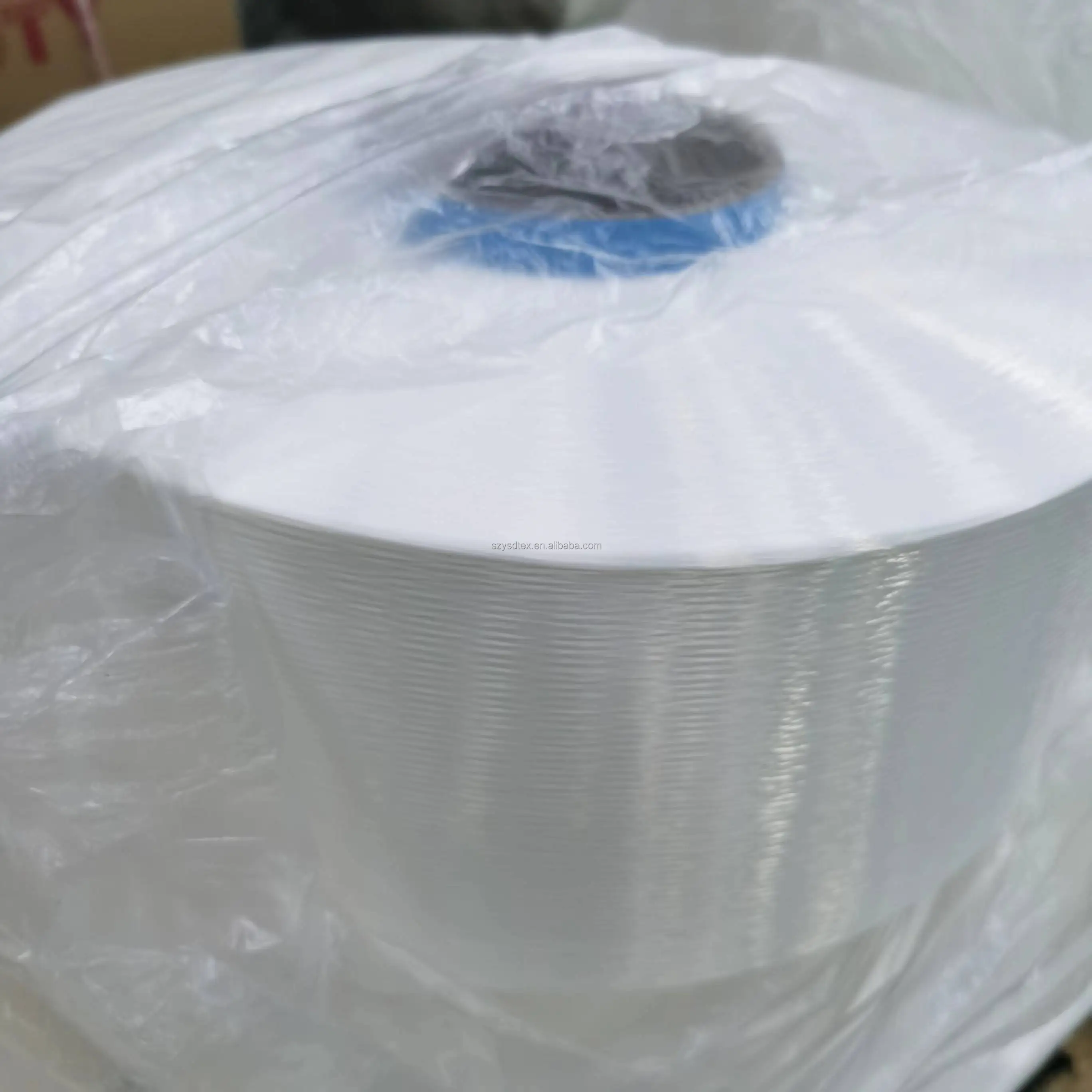
100% polyester spun yarn is a versatile and widely used textile product in various industries, including apparel, home furnishings, and industrial applications. As a B2B buyer, sourcing from reliable 100 polyester spun yarn manufacturers in India requires careful consideration of quality, cost, and supplier capabilities. This article aims to help you navigate the complexities of sourcing polyester spun yarn by addressing key factors, evaluating product quality, and understanding potential issues in the purchasing process.
When sourcing 100% polyester spun yarn suppliers, start by evaluating their manufacturing capabilities and product range. Look for manufacturers with extensive experience in the textile industry, as they are more likely to understand the specific requirements of different applications. Additionally, consider the following factors:
Production Capacity: Ensure the supplier can meet your volume needs, especially if you require large quantities for ongoing projects.
Customization Options: Determine if the manufacturer offers customization in terms of color, texture, or specific yarn specifications, which may be essential for your applications.
Quality Certifications: Verify if the supplier complies with industry standards and holds relevant certifications, indicating their commitment to quality and industry best practices.
Understanding these aspects will enable you to choose a supplier that aligns with your operational needs and product specifications.
Quality evaluation of polyester spun yarn involves several critical parameters. When assessing yarn quality, consider the following aspects:
Yarn Count: This refers to the thickness of the yarn. It affects the fabric’s weight, texture, and strength. Higher yarn counts generally indicate finer yarn, suitable for lightweight fabrics.
Twist Level: The twist in the yarn can influence its strength and appearance. Different applications may require varying twist levels to achieve the desired fabric characteristics.
Uniformity: Inspect the yarn for uniformity in diameter and color. Inconsistencies can lead to weak spots in the final fabric, impacting its durability and aesthetic appeal.
Strength Test: Conduct tensile strength tests to ensure the yarn can withstand the required load during processing and end-use applications.
Working with reliable manufacturers, such as Suzhou YSD Textile Co., Ltd., known for their rigorous quality control processes, can help ensure the yarn meets the necessary specifications and standards.
Several cost factors influence the wholesale purchasing of polyester yarn. Understanding these elements can help you negotiate better pricing with suppliers:
Raw Material Prices: The cost of polyester fiber fluctuates based on market conditions. Suppliers may adjust their prices accordingly, impacting your overall costs.
Order Volume: Larger orders often qualify for bulk pricing discounts. When negotiating, provide a clear estimate of your needs to take advantage of potential savings.
Production Complexity: Custom yarn specifications or complex manufacturing processes may lead to higher production costs. Be clear about your requirements to avoid unexpected expenses.
Shipping and Logistics: Factor in shipping costs, especially if importing from India. Choose suppliers that offer competitive shipping rates and reliable logistics to minimize delivery delays.
By being informed about these cost factors, you can make strategic purchasing decisions that align with your budget constraints.
While polyester spun yarn is widely used, it can present certain challenges. Here are some common issues and their solutions:
Pilling: Polyester yarn can be prone to pilling, especially in fabrics subjected to friction. To mitigate this, consider treatments or blends with other fibers that reduce pilling tendencies.
Color Fastness: Ensure the yarn’s dyeing process meets the required standards for color fastness. Conduct tests to confirm that colors remain vibrant after washing and exposure to light.
Strength Variation: Inconsistent yarn strength can lead to production issues. Regular strength testing during manufacturing and the use of advanced machinery can help maintain uniformity.
Static Electricity: Polyester is susceptible to static buildup, which can affect processing and handling. Implement static control measures during production and storage.
By proactively addressing these issues with your supplier, you can enhance the quality and reliability of your products.
sectional mother-yarn splitting warping machine sectional split warping machinean same tension beam, with 550m/mins speed on nylon mother yarn.also created the first machine can make polyester dty mother yarn.products simple for installation, simple set up, and easy use and have minimal requirements on workers.
company was founded the year 2013. In the last eleven years, we've sold 300 sets of items remain the leading company in sales till today. company a polyester monofilamentfirm that designs, produces and sells split warping equipment and yarn. manufacturing team brimming with professional skills and experience.
factory team is extremely customer-centric recognizes that the success a business is dependent on the needs satisfaction of its customers. They textile machinery spare partslisten the voice of customers and enhance their service production in order satisfy their requirements and expectations.
have been providing yarn and machines more than 12 years. We have -quality research and development department. continuously upgrade our technology. also have a 20,000m2 nylon/polyester production workshop. team is dedicated to supplying machines that of the best quality. Each member of our team is on the job and mother yarn warping splitfor all their job. truly hope that our expertise and technology will bring you a greater quality of work.

SUZHOU Y.S.D TEXTILE COMPANY IA LOCATED IN SUZHOU PINGWANG TOWN, WITH 30000m2 OF MACHINE PRODUCTION WORKSHPOP, ALSO HAVE 20000m2 OF NYON/ POLYESTER PRODUCTION WORKSHOP.
No.12 Nanyue Road Pingwang Town Wujiang Suzhou City Jiangsu Province China.
Copyright © Y.S.D.TEXTILE All Rights Reserved Privacy Policy
 EN
 FR
 DE
 EL
 IT
 JA
 KO
 RO
 RU
 ES
 ID
 UK
 VI
 TH
 TR
 BN
 NE