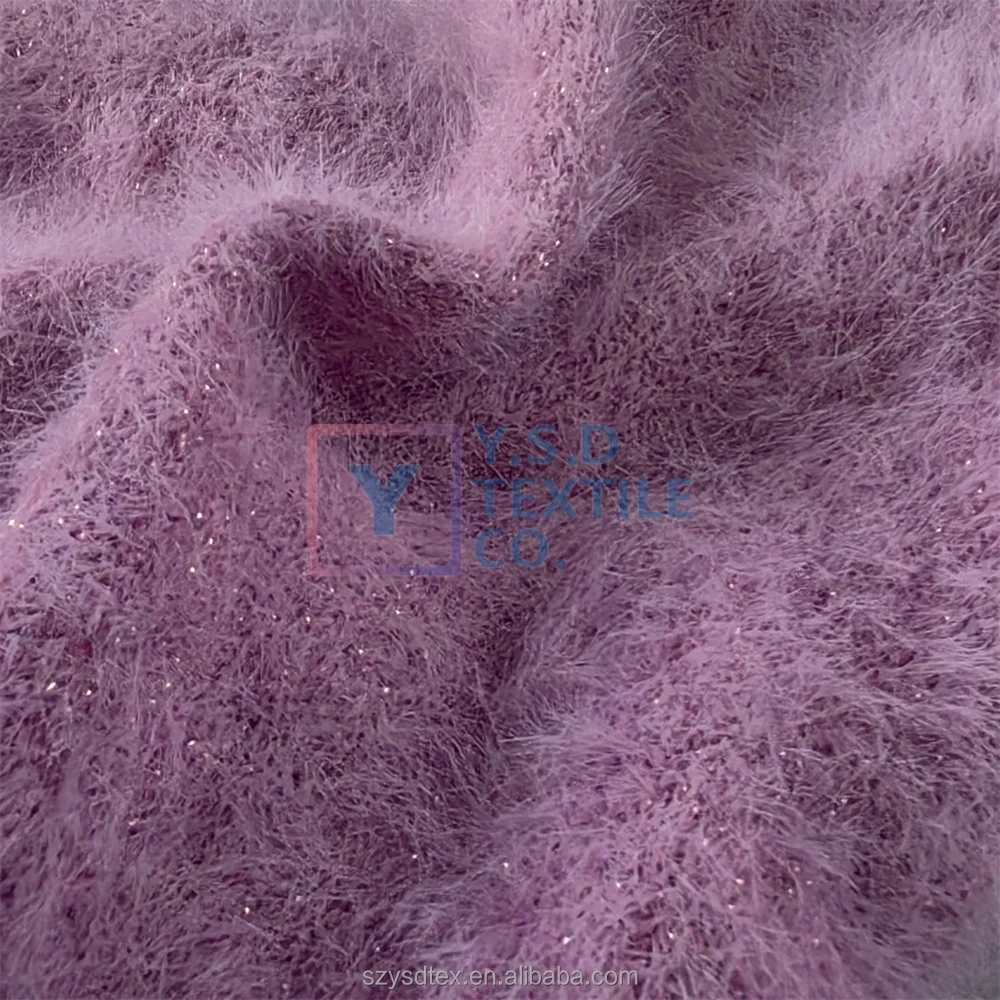
Knitting yarn socks are versatile textile products that cater to various applications, including fashion, sports, and comfort wear. For B2B buyers, such as purchasing managers, distributors, and product developers, understanding the specifications, costs, and potential challenges in knitting yarn socks is crucial. This article will help you navigate these aspects to make informed purchasing decisions tailored to your specific needs.
When evaluating knitting yarn socks, several specifications play a critical role in their performance and application suitability. Key factors include:
Material Composition: The primary materials used for knitting yarn socks are nylon and polyester. Nylon offers excellent strength and elasticity, while polyester is known for its durability and moisture-wicking properties. Depending on the intended use be it casual, athletic, or thermal selecting the right blend is essential.
Thickness and Gauge: The thickness of the yarn directly impacts the sock's warmth and fit. Thicker yarns (often referred to as bulky or heavy weight) are suitable for colder climates, while thinner yarns provide a snug fit for athletic activities. The gauge, or the number of stitches per inch, affects both the sock's appearance and its stretchable.
Length and Size: Customizing the length and size of knitting socks yarn to fit various foot sizes is important. Standard sizes include ankle, crew, and knee-high lengths. For businesses targeting specific demographics, offering a range of sizes can enhance customer satisfaction.
Durability and Care Instructions: High-quality knitting yarn socks should withstand regular wear and tear. Look for products that are machine washable and resistant to fading and shrinking. This information is crucial for customers who prioritize low-maintenance textiles.
Cost evaluation for knitting yarn socks involves assessing several factors that influence pricing:
Material Costs: The type and quality of yarn significantly impact the final price. Premium blends with higher durability or specialized properties (like antibacterial or moisture-wicking) will command a higher cost.
Production Volume: Larger orders often result in lower per-unit costs due to economies of scale in manufacturing. Understanding your project requirements and anticipated demand can help negotiate better pricing with suppliers.
Customization Options: Custom designs, colors, or sizes may incur additional charges. It’s essential to clarify these costs upfront when sourcing from manufacturers to avoid unexpected expenses.
Packaging and Shipping: Consider the packaging methods used, as they can influence overall costs. Eco-friendly packaging may be preferred by some businesses but might come at a higher price point. Additionally, shipping logistics should be factored in based on delivery locations and timelines.
When producing knitting yarn socks, several common issues may arise that can affect quality:
Pilling: This occurs when fibers break down and form small balls on the surface of the sock yarns for knitting. Using high-quality, tightly spun yarn can minimize pilling. Consider testing yarn samples before mass production to assess their resistance to this issue.
Size Inconsistency: Variations in size can occur due to improper tension during knitting. Implementing strict quality control measures and standardized production processes can help ensure uniformity across batches.
Color Fading: Some dyes may not hold up well under washing. Selecting high-quality dyes or conducting wash tests can prevent color fading and maintain the aesthetic appeal of the socks.
Seams and Stitching: Poor seam construction can lead to holes or discomfort. Utilizing advanced knitting techniques and machinery, such as those produced by Suzhou YSD Textile Co., can enhance seam strength and overall durability.
Installing knitting yarn in production requires a systematic approach to ensure efficiency and quality. Here are some key steps:
Machine Setup: Ensure that the knitting machines are calibrated to the correct tension settings for the chosen yarn type. Misalignment can lead to production inefficiencies or defects.
Sample Testing: Before full-scale production, create samples to test the yarn's performance. Evaluate aspects such as stretchable, fit, and overall comfort.
Quality Control: Implement regular inspection points during the production process. This can include checking for uniform tension, color consistency, and overall build quality.
Training: Ensure that the workforce is adequately trained on the specific characteristics of the yarn being used, including its handling and any special requirements during knitting.
company was founded in year 2013. Our company sold 300 products over last 11 years, and we are the market leading company. business is a sectional warping machinecompany that is involved in the design, manufacturing, and sales of split warping machine and yarn. team of factory workers has professional skills and experience.
products simple to install, set up high speed sectional split warping machine.
factory team has been customer-focused are aware that customer wants Direct warping machineis the key for the success of business. They pay attention their the voice customers and optimise production service to meet their expectations needs.
research development team at our company is of highest quality. have been supplying yarn and equipment over 12 years. We continue new technology upgrade. Also, have a 20,000m2 nylon/polyester production workshop. staff is committed to providing machines of best Direct warping machine. Each member of our team is committed to their work and responsible for their every works. We hope our technology and efforts will assist to create more efficient work.

SUZHOU Y.S.D TEXTILE COMPANY IA LOCATED IN SUZHOU PINGWANG TOWN, WITH 30000m2 OF MACHINE PRODUCTION WORKSHPOP, ALSO HAVE 20000m2 OF NYON/ POLYESTER PRODUCTION WORKSHOP.
No.12 Nanyue Road Pingwang Town Wujiang Suzhou City Jiangsu Province China.
Copyright © Y.S.D.TEXTILE All Rights Reserved Privacy Policy
 EN
 FR
 DE
 EL
 IT
 JA
 KO
 RO
 RU
 ES
 ID
 UK
 VI
 TH
 TR
 BN
 NE