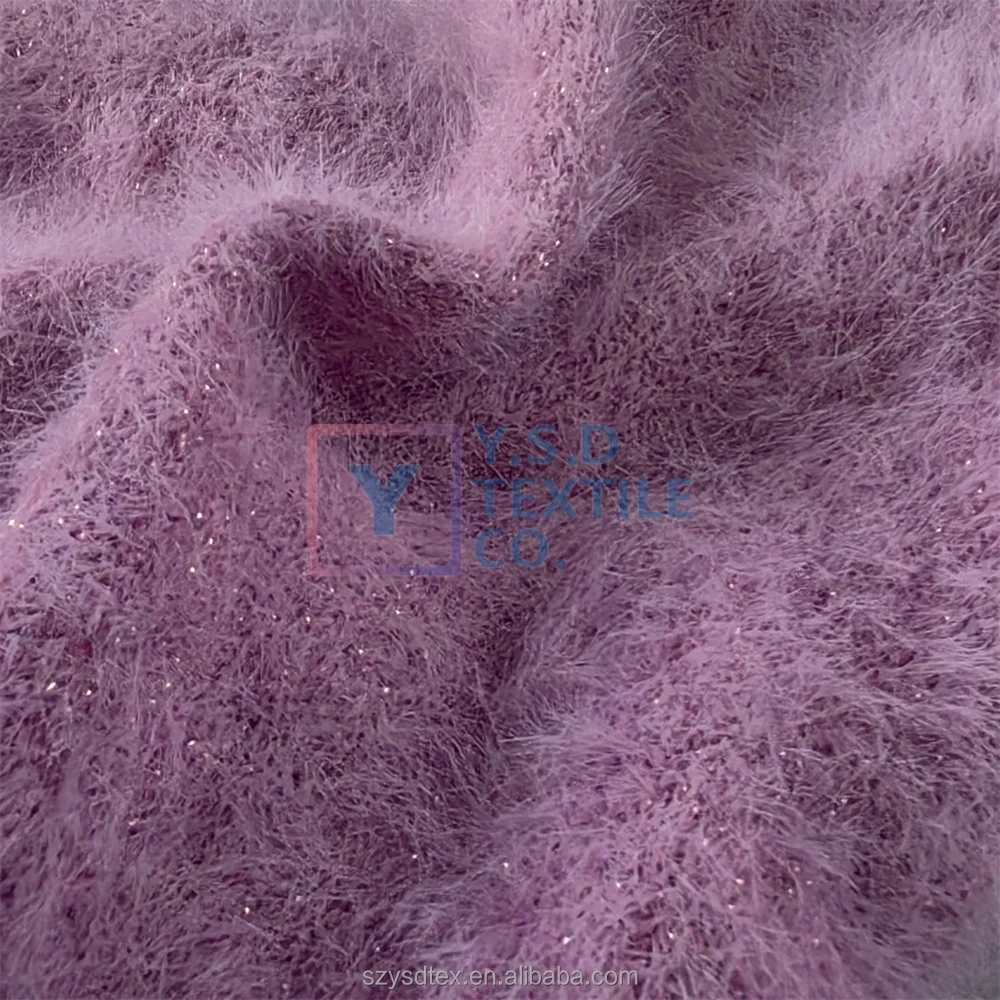
Sock yarns for knitting have become essential in the textile industry, particularly for their versatility and quality. These specialized yarns are crucial for producing comfortable, durable socks that meet the demands of both casual and performance wear. As a B2B buyer, understanding the nuances of sock yarns, including material properties, production capabilities, and supplier reliability, is critical for making informed purchasing decisions. This article aims to provide insights into the key factors to consider when selecting sock yarns for knitting, helping you navigate the complexities of sourcing high-quality materials.
When selecting sock yarns, several critical specifications influence the performance and wearable of the final product. A primary consideration is the material composition, which typically includes blends of nylon and polyester. These materials enhance durability and provide elasticity, essential for maintaining the shape of the socks after repeated wear and washing.
Another important factor is the yarn thickness. Socks yarn usually range from fingering to worsted weight, affecting the overall texture and warmth of the socks. Thicker yarns offer more insulation, while thinner options allow for lighter, breathable designs suitable for various climates. Buyers should also pay attention to the twist of the yarn higher twist levels improve strength and reduce pilling, which enhances the longevity of the socks.
Finally, consider the dyeing process and color fastness. High-quality sock yarns should maintain their color even after multiple washes, which is a key selling point for consumers. Evaluating samples for softness, elasticity, and overall feel can also significantly impact the buyer's decision, ensuring that the final product meets customer expectations.
The cost of sock yarns for knitting can vary widely based on several factors. The primary determinants include the quality of the raw materials, production techniques, and order quantities. For example, high-quality nylon and polyester fibers may come at a premium price, but they often result in better performance characteristics, such as increased durability and comfort.
Moreover, production capabilities play a significant role in pricing. Companies that utilize advanced machinery, like high-speed warping and splitting machines, may offer competitive pricing due to increased efficiency and lower labor costs. However, such technology may also require a higher initial investment, which can be passed on to buyers.
Minimum order quantities (MOQ) are another critical consideration. Suppliers often set MOQs to ensure profitability on production runs, which can impact pricing for smaller orders. Buyers should assess their inventory needs and negotiate terms that align with their purchasing volume to optimize costs effectively.
Once you have selected your sock yarns, understanding how to integrate them into your production line is crucial. Proper installation procedures can significantly affect the efficiency of your manufacturing process and the quality of the final product.
Start by ensuring that your knitting machines are compatible with the selected yarns. Different yarn types may require specific tension settings and needle sizes. An incorrect setup can lead to issues such as uneven stitches or yarn breakage during the knitting process.
Additionally, it's advisable to conduct trial runs with the nylon sock yarn before full-scale production. This allows you to assess how the yarn behaves under machine operation, ensuring that the final output meets quality standards. If any adjustments are needed such as tension or speed settings now is the time to make them. Documenting these settings for future reference can also streamline subsequent production runs.
Despite the best efforts in sourcing quality sock yarns, manufacturers may encounter various issues during production. One common problem is yarn breakage, which can disrupt the knitting process and lead to increased downtime. To mitigate this, ensure that the yarn is stored properly to prevent moisture absorption, which can weaken the fibers. Moreover, regular maintenance of knitting machines can help minimize breakage caused by mechanical failures.
Another issue may involve color consistency. Variations in dye lots can lead to mismatched colors in the final product. To avoid this, it is advisable to order sufficient quantities of yarn from the same dye lot whenever possible. If you do receive yarn from different lots, perform color matching tests on a small scale before full production to ensure visual consistency.
Lastly, pilling or excessive wear can detract from the quality of finished socks. Selecting high-twist yarns and conducting thorough quality checks on samples can help prevent these problems. Engaging in open communication with suppliers about these concerns can also lead to insights and solutions tailored to specific production needs.
have been providing yarn and machines more than 12 years. We have -quality research and development department. continuously upgrade our technology. also have a 20,000m2 nylon/polyester production workshop. team is dedicated to supplying machines that of the best quality. Each member of our team is on the job and mother yarn warping splitfor all their job. truly hope that our expertise and technology will bring you a greater quality of work.
factory team has been customer-focused are aware that customer wants Direct warping machineis the key for the success of business. They pay attention their the voice customers and optimise production service to meet their expectations needs.
company was established in year 2013. We've sold over 300 products over the last 11 years, we are the market leader. Our company is a highly-specialized firm that designs, produces, sells split warping sectional split warping machineand yarn. team at our factory is extremely skilled experienced.
products simple to install, set up sectional split mother yarn warping machine.

SUZHOU Y.S.D TEXTILE COMPANY IA LOCATED IN SUZHOU PINGWANG TOWN, WITH 30000m2 OF MACHINE PRODUCTION WORKSHPOP, ALSO HAVE 20000m2 OF NYON/ POLYESTER PRODUCTION WORKSHOP.
No.12 Nanyue Road Pingwang Town Wujiang Suzhou City Jiangsu Province China.
Copyright © Y.S.D.TEXTILE All Rights Reserved Privacy Policy
 EN
 FR
 DE
 EL
 IT
 JA
 KO
 RO
 RU
 ES
 ID
 UK
 VI
 TH
 TR
 BN
 NE