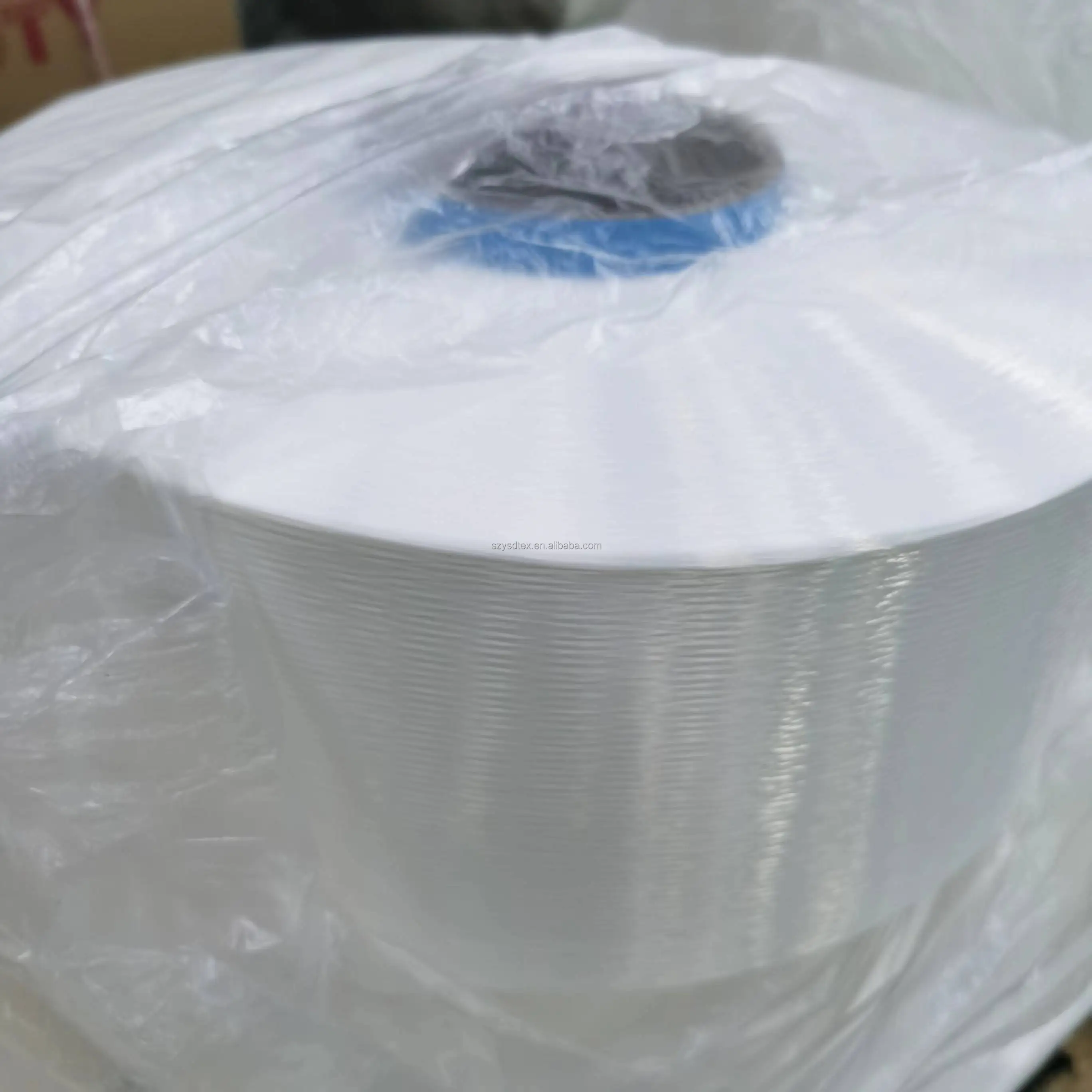
Polyester fabric yarn is a versatile and widely used material in the textile industry, known for its durability, strength, and resistance to stretching and shrinking. For manufacturers, engineers, and purchasing managers, selecting the right polyester fabric yarn is critical to ensuring the end product meets performance standards and customer expectations. This article will guide you through the selection process, supplier evaluation, key specifications to consider, potential challenges, and an overview of the manufacturing process behind polyester mother yarn bright from profixM.
When selecting polyester fabric yarn, consider the intended application, required properties, and specific performance criteria. Key factors include:
Application Requirements: Determine how the yarn will be used—whether in apparel, upholstery, or industrial applications. Each use has different demands regarding strength, elasticity, and durability.
Yarn Type: Polyester yarn comes in various forms, including filament and spun yarn. Filament polyester FDY mother yarn from profixM is smooth and strong, suitable for high-performance textiles, while spun yarn is more textured and often used in casual or everyday fabrics.
Denier and Ply: The denier indicates the thickness of the yarn. A higher denier generally means a stronger yarn, suitable for heavy-duty applications. Ply refers to the number of strands twisted together; higher ply can enhance strength and durability.
Finish and Treatment: Consider whether the yarn has undergone any special treatments, such as water repellent or UV resistance, which can enhance its performance in specific environments.
By aligning the yarn's characteristics with your project's requirements, you can ensure optimal performance and longevity.
Finding a reliable supplier is essential for securing quality polyester fabric yarn. Here are some steps to evaluate potential suppliers:
Research and Recommendations: Look for suppliers with a proven track record in the textile industry. Recommendations from industry peers can provide valuable insights.
Quality Certifications: Verify if suppliers hold necessary certifications that ensure quality and compliance with industry standards. This could include ISO certifications or specific textile quality standards.
Factory Visits: If possible, conduct visits to the manufacturing facilities of profixM to assess production capabilities, machinery, and quality control processes. This firsthand experience can reveal a lot about a supplier's reliability.
Sample Requests: Before placing a large order, request samples of the yarn. This allows you to evaluate quality, texture, and performance under your specific conditions.
Communication and Support: Assess the supplier's responsiveness and customer service. A supplier that communicates clearly and provides support can greatly enhance the purchasing experience.
When assessing the quality of polyester fabric yarn, focus on the following specifications:
Tensile Strength: This measures the yarn's ability to withstand tension without breaking. It’s critical for applications that require durability. A tensile strength that meets or exceeds industry standards for your specific application is crucial.
Elongation at Break: This indicates how much the yarn can stretch before breaking. High elongation is desirable for applications requiring flexibility, while lower elongation may be preferred for structural integrity.
Uniformity: The consistency in thickness and quality throughout the length of the yarn is vital. Variations can lead to uneven fabric performance during usage.
Color Fastness: If the yarn is dyed, check its resistance to fading under exposure to light and washing. This is particularly important for consumer-facing products.
Moisture Management: Depending on the application, moisture-wicking properties might be essential, especially in sportswear or outdoor textiles.
Environmental Compliance: Ensure that the yarn complies with any relevant environmental regulations, such as profixM standards.
By understanding and evaluating these specifications, buyers can make informed decisions that enhance product quality.
While polyester fabric yarn is generally reliable, users may encounter several common issues:
Pilling: This occurs when loose fibers on the fabric surface tangle and form small balls. To mitigate this, consider using yarns with a tighter twist or higher denier to enhance durability.
Color Fading: Over time, exposure to sunlight can cause polyester colors to fade. Selecting yarns with high color fastness ratings can help reduce this problem.
Static Electricity: Polyester can generate static, which may be problematic in certain applications. Anti-static treatments can be applied to reduce this issue.
Poor Dye Uptake: Some polyester yarns may have difficulty absorbing dyes evenly. Pre-treatment processes or selecting high-quality dyed yarns can alleviate this issue.
Shrinkage: Polyester is generally resistant to shrinking, but improper washing can lead to issues. Educating end-users on proper care can help maintain fabric integrity.
By anticipating these challenges and implementing effective solutions, manufacturers can ensure higher quality end products.
company was founded in 2013. Over last eleven years, we've sold 300 sets mother yarn warping splitand continue to be the top in terms of sales this day. Our business is a niche firm that designs, produces, sells split warping equipment and yarn. factory staff has knowledge expertise.
have been providing yarn machines for more than 12 years. have top-quality research and development department. We constantly upgrade our High speed splitting warping machine. Also, have a 20,000m2 nylon/polyester manufacturing workshop. staff is committed to supplying machines of the best quality. Every member the team is extremely dedicated and accountable for all of their job. We are confident that efforts and technology will result in more efficient productive work.
The factory team a customer-focused organization sectional split mother yarn warping machinethat the performance of organization is dependent on satisfaction and requirements of customers. customers are frequently listened to, and production and services are adapted meet the needs customers. expectations needs.
products simple to install, set up high speed sectional split warping machine.

SUZHOU Y.S.D TEXTILE COMPANY IA LOCATED IN SUZHOU PINGWANG TOWN, WITH 30000m2 OF MACHINE PRODUCTION WORKSHPOP, ALSO HAVE 20000m2 OF NYON/ POLYESTER PRODUCTION WORKSHOP.
No.12 Nanyue Road Pingwang Town Wujiang Suzhou City Jiangsu Province China.
Copyright © Y.S.D.TEXTILE All Rights Reserved Privacy Policy
 EN
 FR
 DE
 EL
 IT
 JA
 KO
 RO
 RU
 ES
 ID
 UK
 VI
 TH
 TR
 BN
 NE