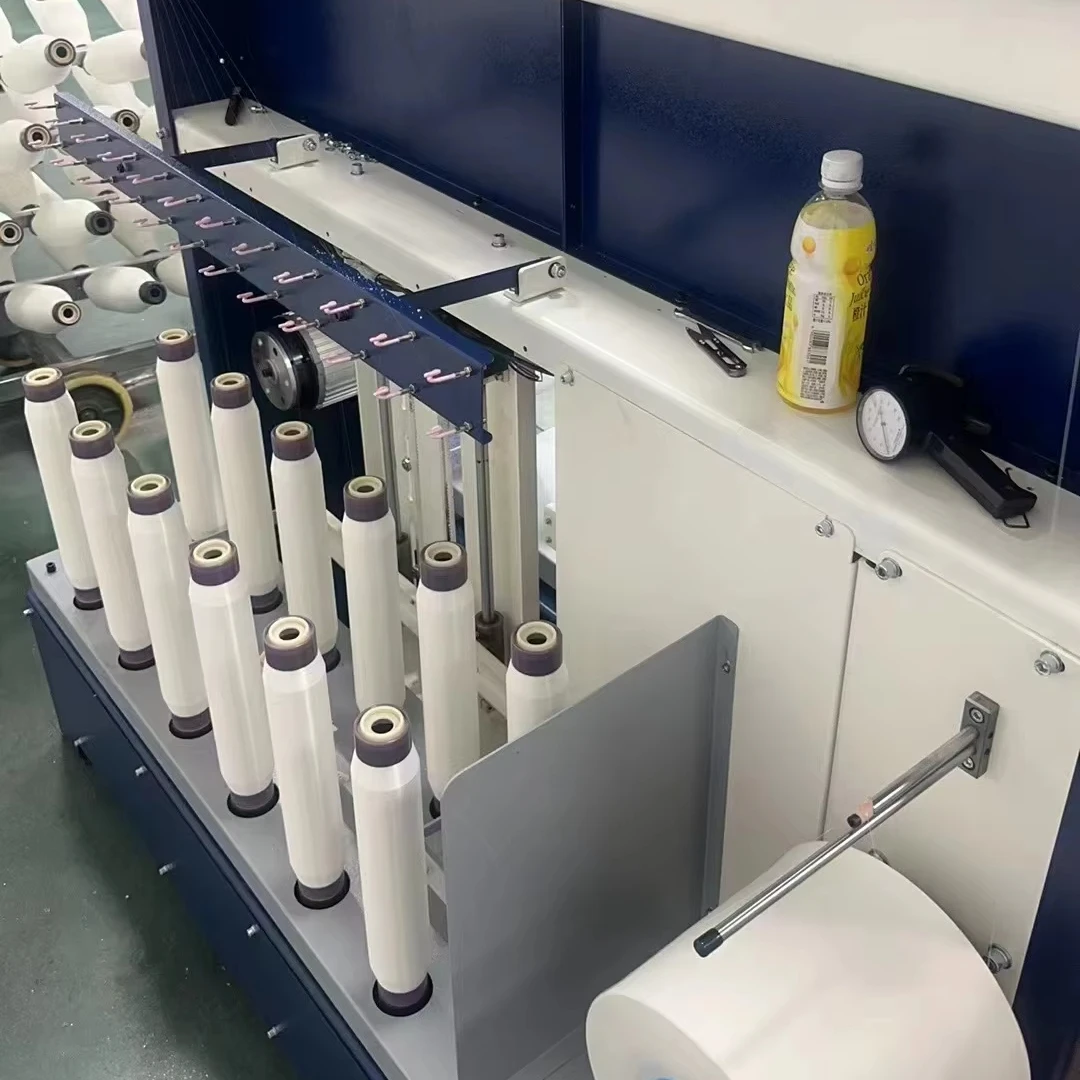
Yarn splitting machines are vital for textile manufacturers seeking to enhance their production efficiency and product quality. These machines specialize in dividing mother yarn into finer strands, ensuring accuracy and consistency in the yarn’s structure. For purchasing managers, engineers, and product managers, the key concerns typically revolve around machine quality, specifications, installation challenges, and the benefits of investing in advanced technology. This article aims to provide a comprehensive understanding of yarn splitting machines, guiding readers through essential evaluation criteria and practical solutions.
When considering a yarn splitting machine, quality is paramount. Buyers should first assess the machine's construction materials and overall design, as these factors directly influence durability and performance. Look for machines made from high-grade steel or aluminum, which can withstand the rigors of continuous operation.
Next, examine the manufacturer's reputation and experience in the industry. A company like Suzhou YSD Textile Co., Ltd., with a strong background in producing high-speed textile machinery, is likely to offer reliable products backed by proven expertise. Request references or case studies from existing customers to understand the machine's performance in real-world applications.
Additionally, consider the machine's ease of maintenance and support services. Evaluate the availability of replacement parts and the manufacturer's responsiveness to inquiries. A robust warranty and after-sales support can significantly affect long-term satisfaction with the purchase.
Understanding the specifications of yarn splitting machines is critical for ensuring they meet production needs. Key specifications to consider include:
Splitting Capacity: This refers to the machine's ability to divide mother yarn into various sizes. Determine the range of thicknesses the machine can handle, as this will affect its versatility in production.
Speed and Efficiency: High-speed machines can significantly increase throughput. Look for machines that offer adjustable speeds to accommodate different yarn types and production requirements.
Precision and Consistency: The ability to maintain consistent yarn tension and splitting accuracy is crucial. Evaluate the machine’s technology for controlling these parameters, such as electronic tension control systems.
Compatibility: Ensure that the machine is compatible with your existing production setup. Check dimensions, power requirements, and interface options to avoid unexpected installation challenges.
Automation Features: Advanced machines may offer automation capabilities, such as automated threading and monitoring systems. These features can reduce labor costs and enhance operational efficiency.
Installation of high speed splitting machine can pose challenges, particularly if the machine is not compatible with existing facilities. Common issues include:
Space Constraints: Ensure that the installation area accommodates the machine's dimensions and any necessary ancillary equipment. Conduct a thorough site assessment before purchase.
Power Supply: Verify that the electrical supply meets the machine's requirements. Insufficient power can lead to operational failures or damage.
Alignment and Calibration: Proper alignment is essential for optimal performance. Follow the manufacturer’s guidelines for installation, and consider hiring a technician for calibration to avoid operational issues.
To mitigate these challenges, create a detailed installation plan, including timelines and responsibilities. Engaging with the supplier for installation support can also streamline the process and reduce downtime.
When selecting a yarn splitting machine, certain features can significantly enhance usability and productivity:
User Interface: A user-friendly interface simplifies operation and reduces training time for staff. Look for machines with intuitive controls and digital displays.
Safety Features: Ensure the machine is equipped with safety mechanisms such as emergency stops and protective covers to comply with industry safety standards.
Maintenance Accessibility: Machines designed with easy access to critical components facilitate routine maintenance and inspections, ensuring consistent performance.
Quality Control Options: Some machines offer integrated quality control measures, allowing for real-time monitoring of yarn quality. This can help in identifying issues early and maintaining production standards.
Investing in machines with these features can lead to long-term efficiency and reduced operational costs.
factory team has always been customer-centric team, they are well aware that sectional split warping machinerequirements satisfaction are crucial to the success of company. listen closely to the opinions of customers, optimize production and service meet their expectations and needs.
company was founded the year 2013. In the last eleven years, we've sold 300 sets of items remain the leading company in sales till today. company a polyester monofilamentfirm that designs, produces and sells split warping equipment and yarn. manufacturing team brimming with professional skills and experience.
have been providing yarn and machines more than 12 years. We have -quality research and development department. continuously upgrade our technology. also have a 20,000m2 nylon/polyester production workshop. team is dedicated to supplying machines that of the best quality. Each member of our team is on the job and mother yarn warping splitfor all their job. truly hope that our expertise and technology will bring you a greater quality of work.
products simple to install, set up high speed sectional split warping machine.

SUZHOU Y.S.D TEXTILE COMPANY IA LOCATED IN SUZHOU PINGWANG TOWN, WITH 30000m2 OF MACHINE PRODUCTION WORKSHPOP, ALSO HAVE 20000m2 OF NYON/ POLYESTER PRODUCTION WORKSHOP.
No.12 Nanyue Road Pingwang Town Wujiang Suzhou City Jiangsu Province China.
Copyright © Y.S.D.TEXTILE All Rights Reserved Privacy Policy
 EN
 FR
 DE
 EL
 IT
 JA
 KO
 RO
 RU
 ES
 ID
 UK
 VI
 TH
 TR
 BN
 NE