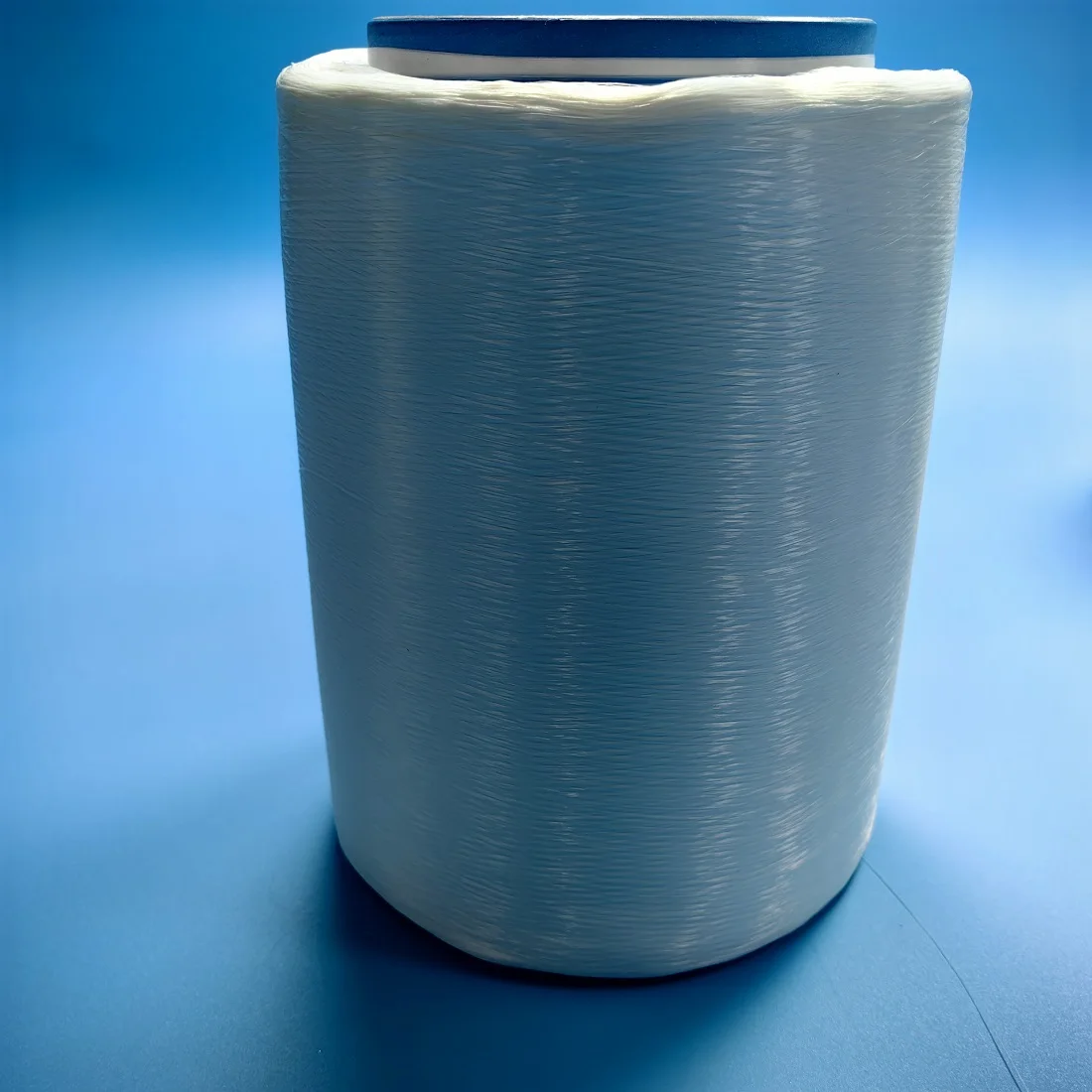
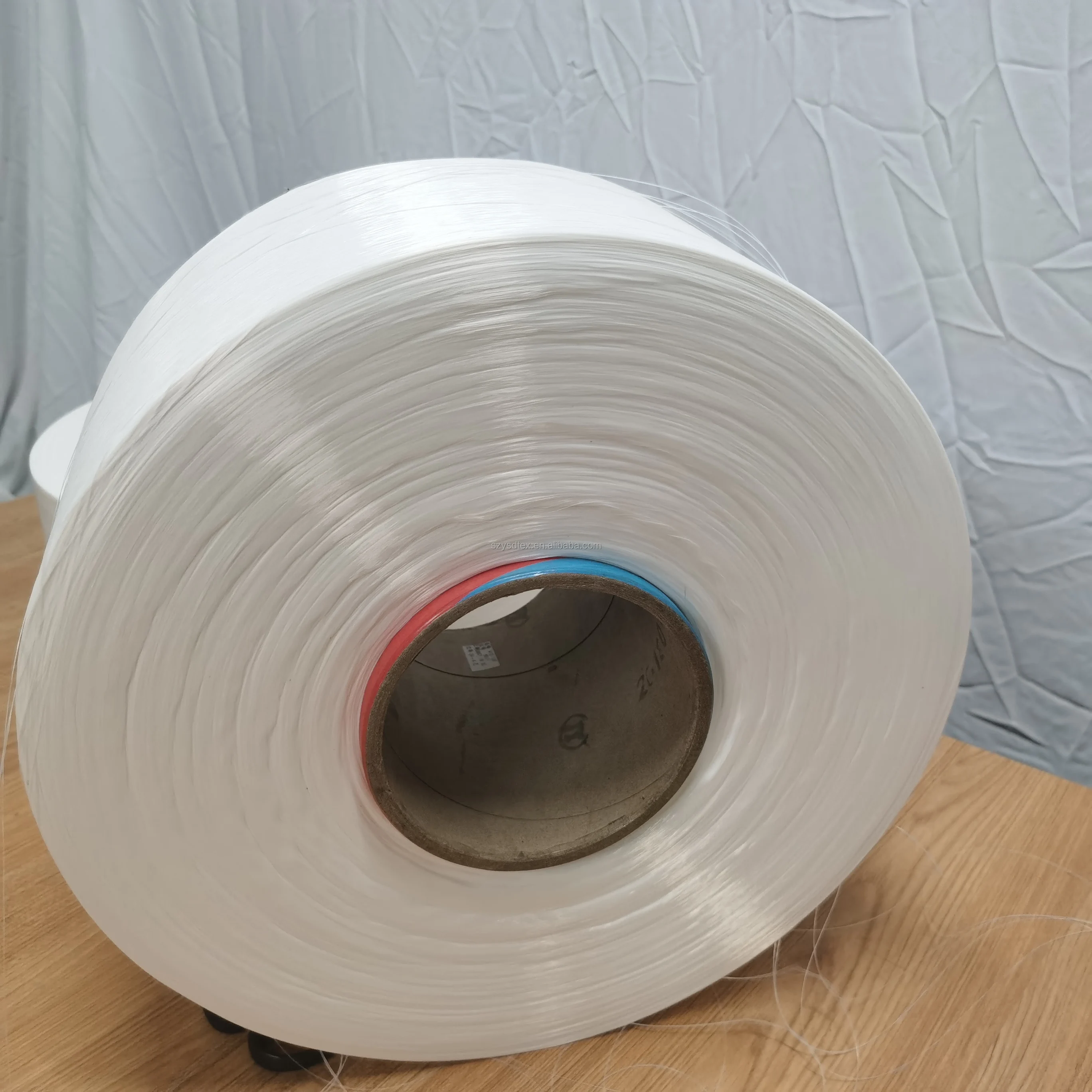
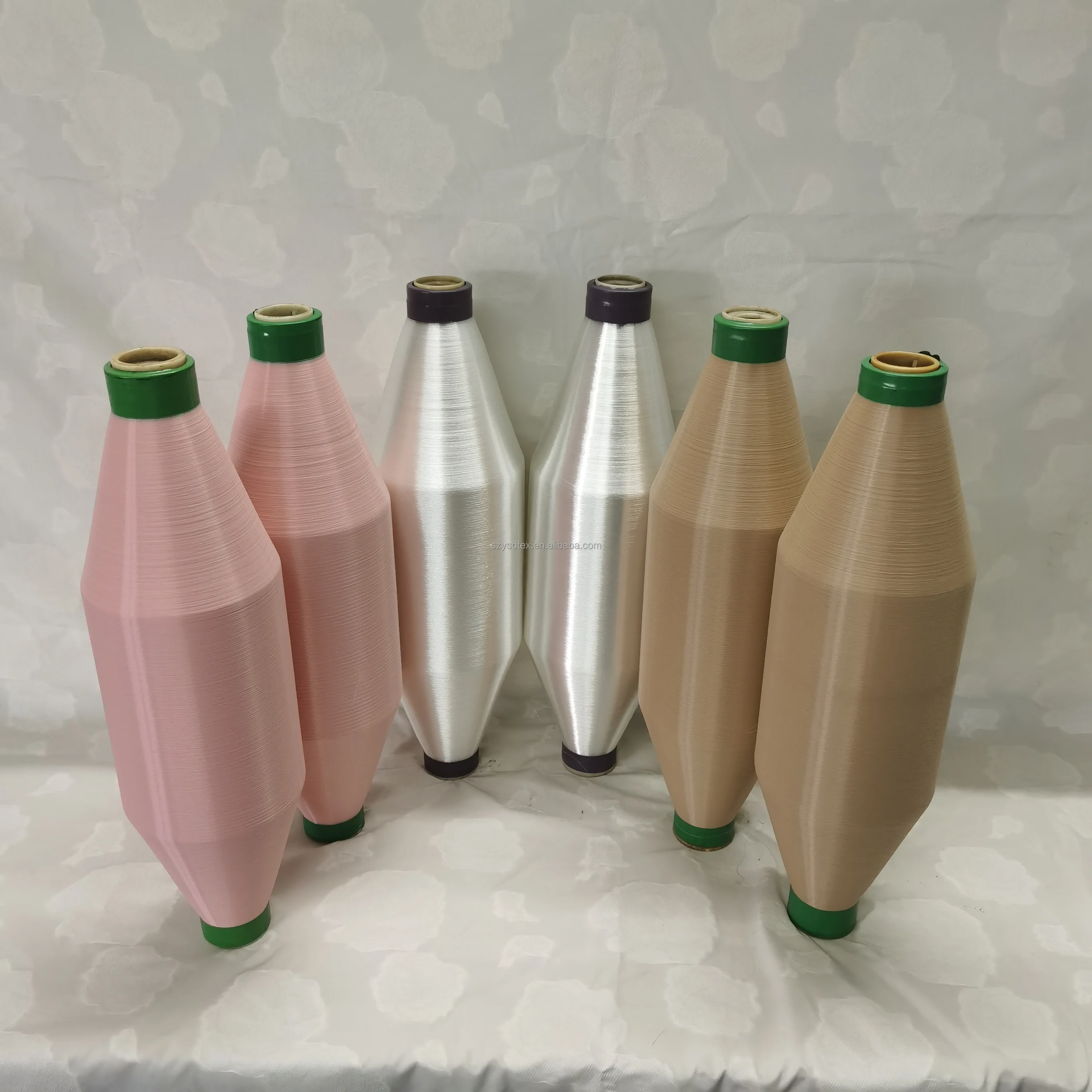
Fully oriented yarn is a specialized type of yarn that is essential for various textile applications, particularly in industries such as apparel, home furnishings, and technical textiles. Understanding its specifications, sourcing processes, and installation guidance can significantly impact your purchasing decisions. We will address key buyer concerns such as product specifications, sourcing options, installation methods, and cost considerations, providing you with the insights needed to make informed decisions when purchasing fully oriented yarn.
Fully oriented yarn is characterized by an arrangement of fibers that are aligned in a specific direction, which enhances the yarn's strength and performance. Key specifications to consider include:
Material Composition: Fully oriented yarn can be made from various materials, including nylon, polyester, or a blend of both. Each material offers different properties, such as tensile strength, elasticity, and resistance to abrasion. For instance, nylon provides excellent strength and elasticity, making it suitable for applications requiring durability.
Denier: This refers to the thickness of the partially oriented yarn. A lower denier indicates a finer yarn, while a higher denier indicates a thicker yarn. Buyers should consider the application when selecting denier; for example, lighter fabrics may require lower denier yarn.
Twist Direction and Rate: The twist in the yarn affects its texture and strength. A higher twist rate can increase durability but may also decrease flexibility. Understanding the required twist direction (left or right) is crucial for ensuring compatibility with weaving or knitting processes.
Color and Finish: Fully oriented yarn can be dyed or left in its natural color. The finish may also vary, affecting the yarn's surface texture and performance. Buyers should assess whether a specific finish is necessary for their application.
Standards and Certifications: Ensure that the yarn meets relevant industry standards and certifications, which may include ISO certifications or specific quality control measures relevant to your industry.
Understanding these specifications will help you choose the right fully oriented yarn for your specific manufacturing needs.
When purchasing fully oriented yarn, buyers should follow a structured approach to ensure they meet their project requirements effectively:
Define Your Requirements: Clearly outline the specifications needed for your project, including material type, denier, twist, and any color requirements. This will help suppliers provide accurate quotations.
Request Samples: Before making bulk orders, request samples to evaluate the yarn's quality, texture, and performance. Testing samples under actual operating conditions can help identify any potential issues before mass production.
Supplier Evaluation: Assess potential suppliers based on their manufacturing capabilities, quality control processes, and past performance. Consider their ability to meet your customization needs and delivery timelines.
Understand MOQ (Minimum Order Quantity): Different suppliers may have varying MOQs. Be sure to confirm this before placing an order to ensure the quantities align with your requirements.
Negotiate Pricing and Terms: Discuss pricing structures, payment terms, and lead times. Understanding cost factors such as raw material prices and production methods can help in negotiating better terms.
By following these guidelines, you can streamline your purchasing process and ensure you select the best fully oriented yarn for your manufacturing needs.
Finding reliable sources for fully oriented yarn is crucial for maintaining quality and consistency in your production. Here are key strategies for sourcing high-quality yarn:
Direct Manufacturers: Consider sourcing directly from manufacturers like Suzhou YSD Textile Co., Ltd., which specializes in producing high-speed yarn machines and a variety of yarns. Working directly with manufacturers can often yield better pricing and more consistent quality.
Industry Trade Shows: Attend textile and manufacturing trade shows to connect with potential suppliers. These events provide an opportunity to meet manufacturers, view their products, and establish relationships.
Online B2B Marketplaces: Explore reputable B2B platforms that focus on textile and nylon yarn suppliers. Ensure to check supplier reviews and ratings for reliability.
Local Distributors: Identify local distributors who can provide fully oriented yarn. Local suppliers can offer faster delivery times and reduced shipping costs.
Network within the Industry: Leverage your professional network to get recommendations for reputable suppliers. Colleagues and industry contacts can provide insights based on their experiences.
By utilizing these sourcing strategies, you can find reliable suppliers that meet your quality and quantity needs for fully oriented yarn.
Proper installation of fully oriented yarn is essential for achieving optimal performance in your products. Here are some guidelines to consider for different applications:
Textile Weaving: Ensure that the yarn is properly tensioned during weaving to prevent breakage. The twist direction should match the machine settings, and the yarn should be fed evenly to avoid inconsistencies in the final fabric.
Knitted Fabrics: When using fully oriented yarn for knitting, ensure that the yarn’s properties align with the desired elasticity and texture of the final product. Test the yarn in a small batch to confirm the performance before full-scale production.
Technical Textiles: For applications requiring heightened performance, such as automotive or industrial textiles, conduct thorough testing under relevant conditions (e. g., exposure to chemicals, UV light, or extreme temperatures) to ensure long-term durability.
Maintenance and Storage: Proper storage of fully oriented yarn is essential to maintain its quality. Store yarn in a dry, cool environment to prevent moisture absorption, which can affect performance.
Regular Quality Checks: Implement a regular quality inspection regime during production to catch any defects early. This may include checking for uniformity in color, texture, and tensile strength.
By adhering to these installation guidelines, you can ensure that fully oriented yarn performs optimally in your manufacturing processes.
have been providing yarn machines for more than 12 years. have top-quality research and development department. We constantly upgrade our High speed splitting warping machine. Also, have a 20,000m2 nylon/polyester manufacturing workshop. staff is committed to supplying machines of the best quality. Every member the team is extremely dedicated and accountable for all of their job. We are confident that efforts and technology will result in more efficient productive work.
factory team is extremely customer-centric recognizes that the success a business is dependent on the needs satisfaction of its customers. They textile machinery spare partslisten the voice of customers and enhance their service production in order satisfy their requirements and expectations.
company was founded the year 2013. In the last eleven years, we've sold 300 sets of items remain the leading company in sales till today. company a sectional split mother yarn warping machinefirm that designs, produces and sells split warping equipment and yarn. manufacturing team brimming with professional skills and experience.
sectional mother-yarn splitting warping machine sectional split warping machinean same tension beam, with 550m/mins speed on nylon mother yarn.also created the first machine can make polyester dty mother yarn.products simple for installation, simple set up, and easy use and have minimal requirements on workers.

SUZHOU Y.S.D TEXTILE COMPANY IA LOCATED IN SUZHOU PINGWANG TOWN, WITH 30000m2 OF MACHINE PRODUCTION WORKSHPOP, ALSO HAVE 20000m2 OF NYON/ POLYESTER PRODUCTION WORKSHOP.
No.12 Nanyue Road Pingwang Town Wujiang Suzhou City Jiangsu Province China.
Copyright © Y.S.D.TEXTILE All Rights Reserved Privacy Policy
 EN
 FR
 DE
 EL
 IT
 JA
 KO
 RO
 RU
 ES
 ID
 UK
 VI
 TH
 TR
 BN
 NE